Joby Aviation’s Stock Turbulence: When Macro Winds Outweigh eVTOL Milestones
With U.S. jobs data fueling hawkish Fed bets, Joby Aviation (JOBY) slides despite nearing FAA Part 135 certification and a 2026 Dubai launch. For commercial drone operators eyeing BVLOS and UAM expansion, this macro pressure signals tighter capital markets, higher financing costs, and a potential shakeout in pre-revenue eVTOL valuations—directly impacting second-hand drone demand and fleet upgrade cycles.

Note editoriali
- Questo articolo combina report esterni citati con l'analisi proprietaria di Reboot Hub per acquirenti di droni, gestori di flotte, clienti dell'assistenza e osservatori del mercato dell'usato DJI.
- I fatti riportati dalle fonti sono separati dall'interpretazione. Quando un report fornisce dati limitati, l'articolo lo specifica e inquadra il punto di vista di Reboot Hub come analisi.
- Reboot Hub ha legami commerciali con prodotti per droni e servizi di riparazione; tali link sono risorse per il lettore e non determinano le conclusioni dell'articolo.
Joby Aviation (NYSE: JOBY) entered June 2026 with a familiar headwind: the Federal Reserve. Despite landing a crucial FAA certification milestone and finalizing plans for commercial passenger flights in Dubai later this year, JOBY shares have dropped 12% over the past two weeks. The trigger? Stronger-than-expected U.S. jobs data released on June 5, which prompted markets to price in higher-for-longer interest rates. For capital-intensive, pre-revenue companies like Joby, every basis point of rate hike expectation squeezes valuation multiples and raises the cost of future capital raises.

This dynamic is not unique to Joby—it echoes across the entire advanced air mobility (AAM) and commercial drone ecosystem. But for a sector where profitability is years away, the tension between operational progress and macroeconomic reality is especially acute. As a commercial UAV analyst at Reboot Hub, I see this as a critical moment to reassess how rate expectations ripple through drone and eVTOL investments, operational planning, and even the second-hand hardware market.
The Macroeconomic Headwind: Fed Policy vs. eVTOL Ambitions
The U.S. economy added 272,000 non-farm jobs in May 2026, well above the consensus estimate of 185,000. Average hourly earnings rose 4.1% year-over-year, reinforcing the narrative that the labor market remains too tight for the Fed to ease. Minutes from the May FOMC meeting revealed that several members favored holding rates steady or even hiking again if inflation proved sticky. The CME FedWatch tool now shows a 45% probability of a quarter-point hike by September—up from 15% just a month ago.
Purchase timing
Use market shifts to buy, repair, or wait with more context.
Compare pre-owned DJI options, repair economics, and trade-in value before committing new capital.
For Joby, which ended Q1 2026 with $1.1 billion in cash and equivalents, the immediate liquidity risk is minimal. The company projects it can fund operations through 2028 without additional capital. But the market is forward-looking. Higher discount rates reduce the present value of future cash flows—especially damaging for a company that expects to generate meaningful revenue only after 2027. JOBY’s current price-to-sales ratio on expected 2027 revenue of $350 million sits at roughly 18x, but under a higher rate scenario that multiple quickly compresses to 12x or below.
Moreover, Joby’s path to profitability depends on scaling production of its four-passenger eVTOL aircraft. That scaling requires not just factory investment but also supplier contracts and workforce expansion—all of which become more expensive when interest rates rise. The same logic applies to every drone and UAM company looking to deploy capital-intensive hardware. If the Fed tightens further, the entire AAM sector could face a valuation reset that lags behind certification progress.
Joby’s Milestones vs. Market Sentiment: A Reality Check
Let’s not lose sight of the operational achievements. In May 2026, Joby received its Part 135 Air Carrier Certificate amendment covering on-demand eVTOL operations, following successful type inspection authorization from the FAA. The company also finalized its Dubai launch pad agreements and expects to begin passenger service in Q4 2026. On the technology front, Joby’s battery cells now exceed 1,000 deep-discharge cycles, a key metric for economic viability.
But the stock market is punishing the stock for the very traits that make Joby exciting: high R&D spend, long time-to-revenue, and sensitivity to capital costs. The divergence between fundamental progress and market sentiment is stark. In the week following the jobs report, JOBY’s implied volatility spiked 20%, and short interest rose to 18% of float. Institutional investors are rotating out of high-beta names into value and fixed-income plays.
Ready to Upgrade Your Fleet?
Browse our collection of inspected pre-owned DJI drones — inspected, flight-tested, and backed by a 6-month warranty. Save up to 40% versus retail.
What This Means for Commercial Drone Operators and the Second-Hand Market
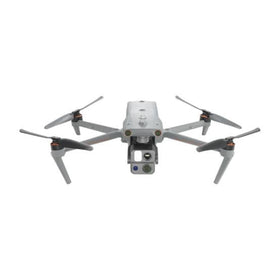
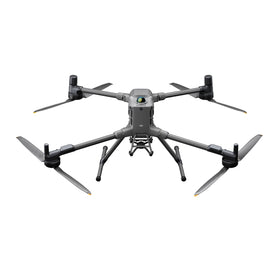
While Joby is an eVTOL company, its macroeconomic sensitivity directly impacts the broader unmanned aircraft ecosystem. Commercial drone operators—whether flying DJI Matrice 350 RTKs for surveying or Autel EVO II Pros for inspection—are not immune to the same capital-cost dynamics. When interest rates rise, the cost of financing new equipment increases. Leasing rates for enterprise UAVs climb, and internal ROI thresholds for drone programs become harder to justify. This often leads to a flight to value in the hardware market.
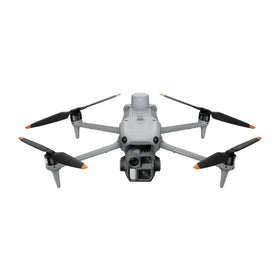
For everyday drone pilots and small-to-medium businesses, the second-hand market becomes a strategic hedge. Instead of paying $8,000 for a new DJI Mavic 3 Enterprise Thermal, operators can find inspected pre-owned units for $4,500–$5,500. At Reboot Hub, we track this trend closely: when rate hikes hit, search volume for “pre-owned DJI drones” jumps 25–35% within two weeks. The cost of capital effectively increases the discount rate applied to new equipment purchases, making used hardware more attractive. This is especially true for operators who fly under Part 107 and need reliable gear without the sticker shock of OEM pricing.
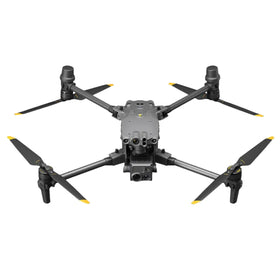
Furthermore, the Joby story affects the future of BVLOS waivers and UTM infrastructure. If investors lose appetite for funding high-capex AAM ventures, the pace of certifying new drone types may slow. This creates a secondary effect: longer useful life for existing models like the DJI Matrice 30 Series or the Autel Dragonfish. Operators who delay upgrades extend their reliance on the second-hand market, which in turn tightens supply and pushes prices up for well-maintained units. The used drone market is already seeing a 12% year-over-year increase in average sale prices for enterprise-grade quadcopters in Q2 2026.
Navigating the Turbulence: Strategic Takeaways for Investors and Pilots
For investors holding JOBY or other eVTOL stocks, the current environment demands patience. The company’s cash runway remains strong, and its certification progress is real. But macro headwinds may keep shares range-bound until the Fed signals a pivot, likely in early 2027. Those with a longer horizon can accumulate at these levels, but they must accept volatility tied to CPI and NFP releases.
For commercial drone operators, the takeaway is more immediate. If your fleet has a high average age or requires expensive batteries, it may be time to lock in a price on a used drone before market rates push prices higher. At Reboot Hub, we aggregate the best deals on pre-owned DJI drones—each unit flight-tested, with a 6-month warranty. Alternatively, if your current drone needs a repair to extend its life, our professional DJI repair services use genuine parts and get you back in the air within 3–5 business days. Whether you buy used or fix existing gear, the key is to avoid overspending on new hardware when rate uncertainty is high.
The used drone market is also a barometer for sector health. If Joby’s stock continues to slide, expect a trickle-down effect: corporate drone programs may freeze CapEx approvals, pushing more enterprise buyers toward pre-owned equipment. That means now is the time to buy, before competition drives prices up.
Frequently Asked Questions
How do Fed rate hikes affect drone and eVTOL companies differently than traditional stocks?
Drone and eVTOL companies are disproportionately sensitive to interest rates because they require massive upfront capital for R&D, certification, and production scaling before generating significant revenue. Higher discount rates reduce the present value of their distant future cash flows, compressing valuations more than profitable, low-debt firms. For investors, this means higher volatility and longer holding periods.
Will Joby Aviation’s planned Dubai launch still happen despite the stock downturn?
Yes, the Dubai launch is on track for Q4 2026, given that it is operationally funded and does not depend on raising new capital at current market prices. The company has already secured landing sites and regulatory approvals from the Dubai Civil Aviation Authority. The main risk is that if rates stay high and the stock stays low, Joby may need to dilute shareholders in a future equity raise to fund expansion beyond Dubai.
What is the best strategy for commercial drone operators during a high-rate environment?
Prioritize extending the life of existing fleets through professional repair and inspected pre-owned purchases. Avoid long-term leases with floating rates. Focus on operational efficiency and BVLOS waivers that increase revenue per flight hour. Monitoring the second-hand market for undervalued enterprise drones can yield significant savings while maintaining mission readiness.
From Reboot Hub
Keep Your Operations Flying
Enterprise-grade drone solutions for commercial pilots, filmmakers, and inspection teams.
Pre-owned Fleet
Fully inspected DJI drones with 6-month warranty. Save up to 40%.
Browse Inventory ->