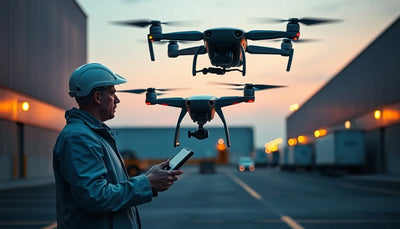
Paracadute DJI Matrice 400: cosa dovrebbero sapere gli operatori
DJI offre ora un paracadute di emergenza per il Matrice 400,, una mossa che modifica gli standard di sicurezza per i droni da trasporto pesante. Gli operatori commerciali, i gestori di flotte e gli acquirenti di usato devono comprendere in che modo questo accessorio influisce sul valore, sulla conformità e sulla pianificazione.

Secondo un rapporto di The Verge, DJI ha aggiunto un sistema di paracadute di emergenza per il suo drone Matrice 400. Sebbene i sistemi di paracadute non siano una novità nel settore dei droni professionali, la loro disponibilità diretta da DJI per un modello aziendale di fascia alta segnala un cambiamento significativo nel modo in cui i produttori affrontano la sicurezza e la gestione dei rischi. Per gli operatori di flotte, i clienti delle riparazioni e gli acquirenti attivi nel mercato dell’usato DJI, questo sviluppo comporta diverse implicazioni pratiche che vale la pena esaminare attentamente.
La Matrice 400 è la piattaforma di sollevamento pesante di punta di DJI, comunemente utilizzata per ispezioni industriali, rilievi, missioni di pubblica sicurezza e consegna di merci. L'aggiunta di un sistema di paracadute supportato da OEM risolve direttamente una delle preoccupazioni principali dei droni di grandi dimensioni: cosa succede quando qualcosa va storto durante il volo. Sebbene le soluzioni di paracadute aftermarket esistano da anni, avere un'opzione ufficiale DJI elimina l'incertezza sulla compatibilità e può semplificare le discussioni assicurative e normative. Questo articolo analizza cosa significa il lancio per gli acquirenti commerciali, i prezzi dell'usato, le strategie di riparazione e le tendenze di mercato più ampie.
Cosa offre il sistema paracadute agli operatori
Secondo The Verge, il paracadute è progettato specificamente per Matrice 400 ed è ora disponibile come accessorio opzionale. La fonte non include specifiche tecniche come altitudine di schieramento, limiti di peso o meccanismi di attivazione, quindi tali dettagli rimangono non confermati. Ciò che è chiaro è che DJI ha scelto di investire in hardware di sicurezza per il suo più grande drone commerciale, una decisione che si allinea alla crescente domanda di ridondanza da parte degli operatori nei voli critici.
Industrial drone procurement
Source a brand-new industrial drone for this mission.
Discuss mission fit, aircraft model, quantities, configuration, pickup, and lifecycle support with Reboot Hub.

Per i gestori delle flotte, il vantaggio pratico è semplice: un paracadute di emergenza può ridurre il rischio di danni catastrofici al drone e, soprattutto, alle persone e alle cose a terra. In molte regioni, gli operatori di droni di peso superiore sono già tenuti a stipulare un’assicurazione di responsabilità civile verso terzi e alcune autorità stanno iniziando a imporre sistemi di recupero per applicazioni specifiche. Sebbene nella fonte non sia menzionata alcuna regolamentazione specifica, la disponibilità di un paracadute ufficiale può facilitare il rispetto delle norme locali sull’aeronavigabilità o sul rischio operativo.
Dal punto di vista della riparazione, l'apertura del paracadute non è un evento di routine, ma introduce un nuovo componente che richiederà un'ispezione periodica ed eventualmente la sostituzione dopo l'uso. I proprietari che si affidano ai servizi di riparazione professionali DJI potrebbero dover includere la manutenzione del paracadute nei loro programmi di assistenza. Il modulo del paracadute potrebbe anche influenzare il baricentro del drone e la capacità di carico utile, quindi qualsiasi acquisto aftermarket o usato dovrebbe includere un attento controllo se il sistema è installato e funzionante.
Cosa significa questo per gli acquirenti di droni
Per chiunque stia considerando una Matrice 400, nuova o usata, il sistema di paracadute cambia l'equazione del valore. Gli acquirenti dovrebbero chiedere se un'unità esistente include il paracadute e, in caso negativo, se può essere adattato. I droni equipaggiati con il paracadute ufficiale DJI possono richiedere un premio nel mercato dell'usato, perché offrono un livello di sicurezza che gli acquirenti non possono facilmente aggiungere da soli senza costi e rischi di installazione significativi. Al contrario, le unità senza paracadute potrebbero vedere una domanda leggermente più debole se gli operatori considerano l’accessorio come un must per determinate missioni.
Se stai acquistando un drone DJI usato, in particolare per un Matrice 400,, la disponibilità del paracadute dovrebbe far parte della lista di controllo dell'ispezione. Conferma se il paracadute è presente, se è stato utilizzato in precedenza e se il firmware del drone supporta il sistema. Anche se non prevedi di utilizzare attivamente il paracadute, averlo installato potrebbe aumentare il valore di rivendita nel futuro se l'accessorio diventasse standard per gli acquirenti aziendali.
Per gli operatori di flotte che valutano gli aggiornamenti, il paracadute può giustificare il mantenimento di una Matrice 400 più a lungo piuttosto che scambiarla con una piattaforma più recente. La maggiore sicurezza potrebbe aprire la strada a contratti che in precedenza richiedevano propulsione ridondante o sistemi di recupero separati. Se stai considerando una permuta, controlla la compatibilità della tua attuale unità e se l'aggiunta del paracadute prima della rivendita potrebbe produrre un'offerta migliore. Il guida alla permuta dei droni può aiutarti a stimare il valore in base alla completezza e alle condizioni dell'accessorio.
Implicazioni per il mercato dell'usato DJI
Analisi Reboot Hub: Notizie come questa spesso si propagano nel mercato dell’usato in due modi. In primo luogo, può stimolare la domanda di unità Matrice 400 usate che hanno già il paracadute installato, perché gli acquirenti ottengono una funzionalità di sicurezza a un costo totale inferiore rispetto all'acquisto di nuove. In secondo luogo, potrebbe creare una ripartizione dei prezzi tra droni “pronti per il paracadute” e “non equipaggiati”. Se il sistema richiede una revisione hardware o una licenza software specifica, le unità Matrice 400 più vecchie potrebbero essere meno attraenti per gli operatori attenti alla sicurezza.
Dal punto di vista della catena di fornitura, il sistema di paracadute è un accessorio OEM, il che significa che parti originali e installazione certificata saranno importanti per mantenere il valore. Gli operatori che acquistano droni usati da fonti non certificate corrono il rischio di imbattersi in moduli paracadute contraffatti o montati in modo improprio, che potrebbero guastarsi in caso di emergenza o invalidare la copertura della garanzia. Ciò rafforza il valore dell'acquisto di unità usate e ispezionate da fonti affidabili in grado di verificarne l'autenticità e le condizioni.
Per le officine di riparazione e i distributori di ricambi, il paracadute rappresenta un nuovo elemento pubblicitario utilizzabile. Servizi di riparazione professionali DJI dovrà immagazzinare contenitori sostitutivi, meccanismi di distribuzione e staffe di montaggio. Gli operatori dovrebbero tenerne conto nei budget di manutenzione a lungo termine, soprattutto se volano in ambienti in cui il rischio di lancio del paracadute è maggiore, come le aree urbane o sull’acqua.
Tendenze generali del mercato e indicazioni per gli operatori
La decisione di DJI di offrire un paracadute ufficiale per il Matrice 400 segnala che la ridondanza della sicurezza sta diventando un elemento di differenziazione competitiva nello spazio commerciale dei droni. Poiché i regolatori spingono per standard di sicurezza più elevati e le compagnie assicurative richiedono una migliore mitigazione del rischio, i sistemi di paracadute supportati da OEM potrebbero presto essere previsti piuttosto che opzionali. Altri produttori potrebbero seguire l’esempio di DJI, soprattutto per i droni al di sopra di una certa classe di peso.
Per gli operatori, la conclusione immediata è valutare se il sistema di paracadute si allinea ai profili di volo tipici. Se voli abitualmente su aree popolate, infrastrutture critiche o siti sensibili, investire ora nel paracadute potrebbe ridurre la responsabilità e potenzialmente abbassare i premi assicurativi. Se operi principalmente in zone aperte e disabitate, il paracadute potrebbe essere meno critico ma aggiunge comunque un cuscinetto di sicurezza in grado di proteggere il tuo investimento patrimoniale.
Cosa dovrebbe fare di diverso un acquirente, un pilota, un cliente riparatore o un gestore di flotta dopo aver letto questo? Inizia controllando la revisione hardware e la versione firmware del tuo attuale Matrice 400 per la compatibilità con il paracadute. Se sei alla ricerca di un'unità usata, dai la priorità ai modelli con il paracadute ufficiale DJI installato o al budget per l'aggiornamento del sistema da solo. Per i clienti che effettuano riparazioni, chiedi al tuo fornitore di servizi se sono certificati per ispezionare e sostituire i componenti del paracadute. I gestori della flotta dovrebbero aggiornare le loro liste di controllo pre-volo per includere lo stato di armamento del paracadute e le condizioni della batteria per il modulo di distribuzione. Infine, tieniti informato sulle normative locali che potrebbero presto richiedere sistemi di recupero su droni delle dimensioni di Matrice 400, poiché la disponibilità di una soluzione OEM può influenzare le tempistiche di applicazione.
Posso adattare il paracadute DJI Matrice 400 a un'unità più vecchia?
La fonte non specifica la compatibilità del retrofit, ma il paracadute è descritto come "per" il Matrice 400,, il che implica che sia progettato per adattarsi a quel modello. È necessario verificare i punti di montaggio, i requisiti del firmware e le limitazioni del carico utile con DJI o un fornitore di servizi certificato prima di acquistare un'unità usata senza il sistema.
Il sistema di paracadute influisce sulla capacità di carico del drone?
Nella fonte non sono forniti dati specifici sul peso o sul carico utile. Qualsiasi accessorio aggiuntivo ridurrà in una certa misura il carico utile massimo. Per gli operatori commerciali, il calcolo del carico utile netto dopo l'installazione del paracadute è essenziale per determinare se il drone può ancora trasportare il sensore o il carico di consegna.
Ogni quanto tempo è necessaria la manutenzione del paracadute?
La fonte non fornisce dettagli sugli intervalli di manutenzione. Come per qualsiasi sistema di dispiegamento pirotecnico o a molla, si consiglia un'ispezione regolare, soprattutto dopo l'esposizione a umidità, polvere o temperature estreme. Consulta la documentazione ufficiale DJI o un centro di riparazione professionale per programmi di assistenza specifici.
Fonti consultate
- Drone Archive for July 2026 - Page 1 - The Verge - primary source
Al momento della pubblicazione non era disponibile ulteriore documentazione ufficiale.
Reboot Hub Editorial fornisce analisi sugli acquisti, le riparazioni, la rivendita e l'operatività per i proprietari di droni. In caso di errori, contattateci per una revisione della correzione in conformità con la nostra politica editoriale.