Il paracadute del drone DJI taglia i rotori in 600 ms: cosa devono sapere gli operatori
Un nuovo sistema di paracadute DJI taglia i rotori dei droni in 600 millisecondi per ridurre lesioni e danni alle apparecchiature. Gli operatori dovrebbero comprendere in che modo questa funzionalità di sicurezza influisce sulla pianificazione della flotta, sui costi di riparazione e sul mercato dell'usato DJI.

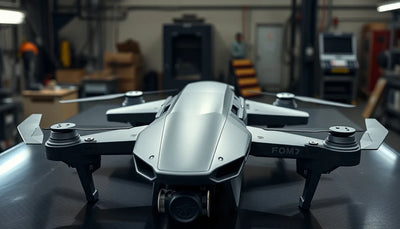
DJI ha introdotto un sistema di paracadute che taglia attivamente i rotori dei droni in 600 millisecondi durante una discesa di emergenza. Il design mira a ridurre il rischio di lesioni alle persone e danni all'attrezzatura prevenendo l'impigliamento del rotore prima che il paracadute si dispieghi completamente. Sebbene la società non abbia ancora dettagliati sulla compatibilità o sui prezzi, la tecnologia segnala uno spostamento verso misure di sicurezza più aggressive nei droni commerciali e di consumo.
Per gli acquirenti di droni, gli operatori di flotte e i clienti delle riparazioni, questa innovazione solleva domande pratiche sui percorsi di aggiornamento, sui valori di rivendita e sui flussi di lavoro di manutenzione. La velocità del sistema – 600 ms dall’attivazione alla separazione del rotore – suggerisce una deliberata attenzione ingegneristica nel ridurre al minimo i secondi caotici dopo un guasto. Per comprendere il significato di questo cambiamento è necessario considerare sia l’impatto operativo immediato sia le tendenze a lungo termine che potrebbe determinare.
Come funziona il paracadute taglia-rotore
Secondo il rapporto della fonte su Notebookcheck, il sistema di paracadute DJI spegne tutti i rotori entro 600 millisecondi di attivazione. Questo distacco rapido impedisce alle pale rotanti di impigliarsi su oggetti o persone durante la discesa con il paracadute e riduce anche il rischio che il drone ruoti in modo incontrollabile. I paracadute tradizionali dei droni spesso si aprono con i rotori ancora in rotazione, il che può causare l'aggrovigliamento delle linee del paracadute o la rotazione imprevedibile del drone. Rimuovendo prima i rotori, il sistema garantisce un dispiegamento del paracadute più pulito e stabile.
DJI buying context
Match product news to hardware you can actually deploy.
Check inspected DJI aircraft, repair support, and trade-in timing before deciding whether to upgrade, repair, or wait.

La finestra 600 di millisecondi è notevole. In caso di emergenza, ogni frazione di secondo è importante. Se un drone subisce un guasto al motore o una collisione a mezz'aria, il paracadute deve attivarsi e i rotori devono tagliarsi prima che il drone guadagni troppa velocità verso il basso. L'approccio di DJI sembra dare priorità sia alla velocità che all'affidabilità, sebbene non siano state rilasciate certificazioni specifiche o dati di test oltre il tempo indicato. Per gli operatori di flotte che gestiscono più aeromobili, la disponibilità di un tale sistema potrebbe influenzare la selezione degli aeromobili, soprattutto in ambienti ad alto rischio come le ispezioni industriali o le operazioni di pubblica sicurezza.
Gli operatori commerciali che volano sopra la folla o vicino alle infrastrutture dovrebbero valutare se questa opzione di paracadute diventa disponibile per il loro modello DJI attuale o successivo. La funzione di taglio del rotore potrebbe eventualmente diventare un punto di riferimento per la sicurezza, proprio come gli airbag nelle automobili. Gli acquirenti di droni che considerano attrezzature usate dovrebbero tenere presente che i modelli più vecchi senza supporti per paracadute compatibili potrebbero vedere una domanda ridotta nei mercati di rivendita sensibili alla sicurezza.
Implicazioni sulla sicurezza e sull'assicurazione della flotta
L’aggiunta di un paracadute taglia-rotore affronta direttamente due problemi di responsabilità comuni: lesioni agli astanti e danni all’aereo stesso. Un paracadute che può aprirsi in modo pulito senza resistenza del rotore riduce l’energia cinetica dell’impatto e la probabilità che il drone rimbalzi o faccia una ruota contro gli ostacoli. Per gli operatori di flotte, ciò potrebbe tradursi in un minor numero di incidenti con perdita totale e in una riduzione dei premi assicurativi nel tempo.
Gli assicuratori stanno sempre più tenendo conto delle attrezzature di sicurezza nelle polizze per le operazioni commerciali con i droni. Una caratteristica di sicurezza documentata come il paracadute taglia-rotore DJI può essere necessaria per alcune esenzioni di alta responsabilità o per operazioni vicino a persone. I gestori della flotta dovrebbero iniziare a documentare quali unità nel loro inventario sono dotate di questo sistema e come si integra con le procedure di emergenza esistenti. Se il sistema fosse adattabile, potrebbe essere un modo economicamente vantaggioso per prolungare la vita utile degli attuali droni migliorando al tempo stesso la conformità alla sicurezza.
Dal punto di vista della pianificazione finanziaria, il mercato dell’usato DJI potrebbe vedere una biforcazione: i droni con il sistema di paracadute comporteranno un premio, mentre quelli senza potrebbero essere scambiati con uno sconto, in particolare nei mercati in cui le normative incoraggiano o impongono l’uso del paracadute. Gli acquirenti guardano droni DJI usati dovrebbe chiedere ai venditori se il sistema di paracadute è installato o disponibile come aggiornamento. Gli operatori che non sono sicuri del valore della loro attuale flotta potrebbero voler consultare a servizio di riparazione professionale DJI valutare la fattibilità del retrofitting prima di prendere una decisione di acquisto.
Cosa significa questo per gli acquirenti di droni
Per chiunque stia attualmente valutando l'acquisto di un drone DJI, sia esso nuovo o usato, il paracadute taglia-rotore dovrebbe prendere in considerazione la decisione. Il tempo di risposta in millisecondi del 600 è una specifica concreta che dimostra l'impegno di DJI nei confronti della sicurezza attiva. Gli acquirenti che operano in aree popolate o con risorse costose potrebbero voler dare la priorità ai modelli che supportano questo sistema. Anche se il paracadute è un accessorio opzionale, avere pronti i punti di montaggio e l'integrazione del controllore di volo è un vantaggio.
Gli acquirenti di usato dovrebbero verificare attentamente la compatibilità. Se il sistema è disponibile solo sui droni di nuova generazione, le unità più vecchie che ne sono sprovviste potrebbero diventare più difficili da rivendere, soprattutto se le normative locali iniziano a richiedere i paracadute per determinate operazioni. D'altra parte, se DJI offrisse un kit di retrofit, i proprietari esistenti potrebbero aggiungere la funzionalità e preservare il proprio investimento. L’incertezza sui prezzi e sulla disponibilità significa che gli acquirenti dovrebbero rimanere informati attraverso fonti industriali affidabili piuttosto che dare per scontato che tutti i droni saranno aggiornabili.
I clienti delle riparazioni dovrebbero considerare che un'implementazione del paracadute, anche se riuscita, richiederà probabilmente la sostituzione del rotore e un'ispezione approfondita della cellula e dell'elettronica. Anche i droni che attivano il paracadute senza tagliare i rotori potrebbero subire danni alla linea o stress al motore. Avere accesso a servizi di riparazione professionali DJI diventa importante per qualsiasi operatore che utilizza questo sistema di sicurezza. Inoltre, il guida alla permuta dei droni può aiutare i proprietari a valutare se l'aggiornamento a un modello dotato di paracadute è più economico del retrofit.
Considerazioni su riparazione e manutenzione
Lo stesso meccanismo di taglio del rotore introduce nuovi punti di manutenzione. Dopo il dispiegamento, gli attacchi del rotore dovranno essere sostituiti e il sistema di paracadute dovrà essere reimballato o sostituito. Gli operatori della flotta dovrebbero pianificare ulteriori intervalli di ispezione se adottano questo sistema. L'azione di taglio rapido, 600 ms, utilizza probabilmente un meccanismo pirotecnico o a molla che richiede un'attenta manipolazione durante la manutenzione. Solo strutture di riparazione certificate dovrebbero intervenire su questi componenti per evitare l'implementazione accidentale o il riassemblaggio improprio.
Per le officine di riparazione indipendenti e i fornitori di servizi di terze parti, il paracadute taglia-rotore DJI potrebbe richiedere nuova formazione, strumenti specializzati e accesso a pezzi di ricambio originali OEM. Gli operatori che si affidano alla riparazione di terze parti devono verificare che il proprio partner di assistenza sia attrezzato per gestire questo sistema. Il mercato dell’usato per i droni che hanno avuto un utilizzo del paracadute avrà bisogno di una documentazione chiara: un drone adeguatamente sottoposto a manutenzione può ancora essere prezioso, ma uno riparato in modo improprio potrebbe comportare rischi per la sicurezza.
Infine, l’introduzione di questo sistema di paracadute potrebbe influenzare l’ecosistema dei pezzi di ricambio. I bracci del rotore, i supporti del motore e le sezioni della fusoliera potrebbero richiedere una riprogettazione per accogliere il meccanismo di taglio. Non appena queste parti saranno disponibili, saranno essenziali per mantenere l’idoneità al volo degli aerei della flotta. Acquirenti e operatori dovrebbero attendere le comunicazioni ufficiali DJI sulla disponibilità dei pezzi di ricambio e sulle matrici di compatibilità.
Come funziona il paracadute taglia rotore?
Il sistema si attiva automaticamente o manualmente in caso di emergenza, spegne tutti i rotori dei droni entro 600 millisecondi, quindi dispiega un paracadute. La rimozione delle lame rotanti previene gli aggrovigliamenti e stabilizza la discesa, riducendo i rischi di lesioni e danni all'attrezzatura.
È possibile aggiornare i droni DJI esistenti con questo paracadute?
DJI non ha ancora annunciato opzioni di retrofit o compatibilità per i modelli precedenti. Gli acquirenti devono controllare i canali di supporto ufficiali DJI per la disponibilità del modello specifico. Fino ad allora, gli operatori potrebbero dover acquistare nuovi droni forniti con il sistema preinstallato o aggiornarlo successivamente se viene rilasciato un kit.
Questo sistema di paracadute diventerà standard sui futuri droni DJI?
È probabile che DJI espanderà la funzionalità ad altri modelli, rendendola potenzialmente standard sugli aerei di fascia alta utilizzati per operazioni commerciali e di pubblica sicurezza. Tuttavia, non è stata confermata alcuna cronologia ufficiale o elenco dei modelli. I gestori delle flotte dovrebbero monitorare gli annunci del settore e prendere in considerazione la pianificazione della transizione.