Unusual Machines Doubles Down on U.S. Drone Production – Is UMAC Ready for Federal Dollars?
Unusual Machines (UMAC) pitches a national drone supply chain play straight into Pentagon NDAA compliance – but can they scale fast enough to capture federal contracts before the cash burn forces a dilutive raise? Reboot Hub analyzes the Stifel conference signals, the Orlando facility ramp, and what this means for operators scouting FAA-compliant components in a market still dominated by Chinese parts. The second-hand drone trade is quietly watching for the ripple: if UMAC wins, expect a flood of surplus DJI hardware hitting the refurbished market as enterprise fleets re-gear.

Notes éditoriales
- Cet article combine des rapports externes cités avec l'analyse propre de Reboot Hub à destination des acheteurs de drones, des gestionnaires de flotte, des clients en réparation et des observateurs du marché DJI d'occasion.
- Les faits sources sont séparés de l'interprétation. Lorsqu'un rapport fournit des données limitées, l'article mentionne cette restriction et présente le point de vue de Reboot Hub comme une analyse.
- Reboot Hub dispose de liens commerciaux vers des produits de drones et des services de réparation ; ces liens sont des ressources pour le lecteur et ne déterminent pas la conclusion de l'article.
In the high-stakes world of U.S. drone manufacturing, few companies have drawn as much investor whiplash as Unusual Machines, Inc. (UMAC). On June 3, 2026, the company presented at Stifel's Ninth Annual Boston Cross Sector 1x1 Conference, signaling to institutional capital that its quiet transformation from a speculative SPAC-era name into a serious, NDAA-compliant component manufacturer is accelerating. Simultaneously, the internal promotion of Trish Ellis to Vice President of Human Resources underscores a more fundamental reality: Unusual Machines is staffing up for a growth curve that could either vault it into the ranks of prime federal contractors - or strain its cash runway thin.
The Orlando-based firm has steadily pivoted its core investment narrative over the past eighteen months. What began as a consumer drone retailer and distributor has morphed into a self-described "U.S.-centric" manufacturer of drone components designed to meet the strict sourcing requirements of the National Defense Authorization Act (NDAA). With the Pentagon increasingly barring Chinese-made drone parts from federally-funded supply chains, UMAC is positioning itself as a direct beneficiary of the most aggressive reshoring push in the history of American unmanned aviation.
But for commercial operators, enterprise fleet managers, and the used drone market that depends on predictable hardware flows, the question is not whether UMAC can win a contract - it's whether the company can deliver production at scale before the market shifts again.
Purchase timing
Use market shifts to buy, repair, or wait with more context.
Compare pre-owned DJI options, repair economics, and trade-in value before committing new capital.
Stifel Conference: The Signal Institutional Investors Are Watching
Stifel's 1x1 format is no casual meet-and-greet. It's a curated, single-slot session where management teams present directly to buy-side analysts and portfolio managers. For Unusual Machines to land a speaking slot at this Boston event suggests that the firm has graduated beyond micro-cap obscurity and is now actively courting institutional coverage. The conference came on the heels of UMAC's Q1 2026 earnings report, which showed a continued burn rate on R&D and facility expansion in Orlando's drone corridor.
According to public filings, the company has been aggressively hiring engineering and supply-chain talent. The promotion of Trish Ellis - a seasoned HR executive with previous stints in aerospace talent acquisition - indicates that UMAC is not merely filling seats but building a structured workforce capable of scaling. The Orlando facility, reportedly located near the Orlando Executive Airport, is being retrofitted with SMT (surface-mount technology) lines for in-house circuit board assembly, a critical capability for NDAA compliance that currently forces most U.S. drone makers to rely on Asian foundries.
The investment thesis, as pitched at Stifel, appears to hinge on three pillars: (1) full vertical integration of component manufacturing within U.S. borders, (2) eligibility for direct federal funding streams like the Defense Production Act Title III program, and (3) a conservative cash management strategy that avoids the dilutive secondary offerings that have plagued other small-cap defense tech firms. Whether they can execute on all three remains the central tension of the UMAC story.
Ready to Upgrade Your Fleet?
Browse our collection of inspected pre-owned DJI drones - inspected, flight-tested, and backed by a 6-month warranty. Save up to 40% versus retail.
Orlando Expansion: Building the NDAA-Compliant Supply Chain
The Orlando expansion is far more than a real estate play. Unusual Machines is betting that the U.S. government's appetite for NDAA-compliant drone parts is not a short-term regulatory blip but a structural shift in procurement policy. The company is investing in custom injection molding, RF shielding assembly, and on-site flight testing facilities - all designed to eliminate reliance on non-compliant supply chains. Current UMAC component catalogues include carbon fiber propellers, GPS modules, and flight controller boards that explicitly certify zero reliance on Chinese-origin components.
What does this expansion mean for the broader drone ecosystem?
For commercial operators flying DJI fleets today, the implications are layered. The Pentagon has already banned DJI directly, but the Federal Aviation Administration (FAA) is still evaluating remote identification rules and Part 108 security frameworks. If UMAC succeeds in proving that NDAA-compliant components can be manufactured at competitive price points, it opens the door for domestic drone OEMs to build entirely U.S.-sourced sUAS platforms. This, in turn, could accelerate a fleet transition cycle where enterprise users sell off their current DJI hardware into the secondary market.
For the refurbished drone market, that is a significant tailwind. As large operators like utilities, insurance carriers, and agricultural firms shift toward NDAA-compliant fleets, the supply of gently used DJI Phantom, Mavic, and Matrice series drones will expand, lowering entry prices for smaller operators, schools, and training academies. Reboot Hub has already observed this pattern in early 2026: inventory levels of pre-owned DJI drones are rising, particularly for older platforms that remain capable for Part 107 mapping and surveying tasks.
What Unusual Machines' Push Means for Investors and the Second-Hand Market
From a purely financial perspective, UMAC remains a high-risk name. The company had approximately 12 months of cash runway as of its last 10-Q filing, based on its Q1 2026 operating burn of roughly 8 million dollars. The Stifel conference was, in part, a signal that the company is exploring non-dilutive financing - potentially through a direct federal grant under the Defense Production Act or the recent American Robotics Innovation Act. If secured, such funding would remove the overhang of a secondary stock offering and reward early shareholders.
But there is a second-order effect that most analysts overlook: the used drone market. As UMAC scales production, the competitive pressure on Asian manufacturers - particularly the dominant DJI - may lead to aggressive pricing on new hardware. That could compress the residual value of existing drones. However, the more likely scenario is a bifurcation: premium-priced NDAA-compliant new drones selling to government and enterprise at higher margins, while second-hand DJI gear becomes the weapon of choice for cash-conscious startups and hobbyists. Reboot Hub's marketplace data shows that demand for professional-grade DJI platforms remains robust, with prices stabilizing after a 12% dip in early 2026.
For everyday drone pilots, the UMAC story is a reminder that the window for purchasing legacy DJI hardware at a discount is narrowing. If the NDAA mandate extends to state and local agencies (which some analysts at the Stifel conference predicted), the secondary glut will increase. But so will the regulatory headache of flying non-compliant gear in restricted airspace. Pilots operating under FAA Part 107 should monitor these developments carefully, as future BVLOS waivers may be conditional on using NDAA-compliant platforms.
Strategic Outlook: Can UMAC Survive the Execution Gauntlet?
Unusual Machines faces the classic dilemma of a small-cap industrial turnaround: too much promise on the horizon, too little cash in the bank. The company's ability to convert the Stifel conference enthusiasm into a tangible government contract before year-end will determine whether the stock re-rates toward the defense-tech multiples enjoyed by peers like Kratos or AeroVironment.
For the second-hand drone market, the next six months are a critical window. As UMAC builds its production lines in Orlando, component lead times for domestic drone manufacturers will tighten, potentially creating supply gaps that only refurbished hardware can fill. Reboot Hub's professional DJI repair services have already seen an uptick in requests from enterprise clients looking to extend the life of their current fleets rather than commit to unproven domestic alternatives.
The bottom line: Unusual Machines is no longer a fringe story. With a seat at the Stifel table, a growing Orlando facility, and a workforce being scaled under seasoned leadership, UMAC is positioning itself to capture the next wave of NDAA-driven procurement. Whether they deliver on the narrative will be decided not in conference rooms, but on factory floors and federal contract award lists. For investors, operators, and the second-hand market alike, the countdown has begun.
Frequently Asked Questions
Will Unusual Machines' NDAA compliance affect prices of used DJI drones?
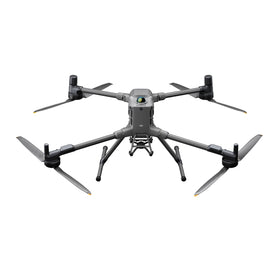
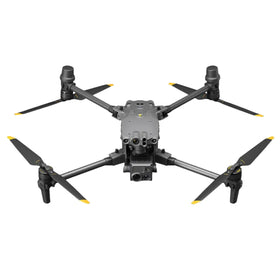
Yes. As federal and enterprise demand shifts toward NDAA-compliant components, the supply of used DJI equipment is expected to increase, potentially lowering prices for pre-owned units. However, premium DJI platforms like the Matrice 350 RTK retain strong value due to their mapping and surveying capabilities under Part 107, so the discount may be more pronounced on older consumer models.
Is Unusual Machines a takeover target after the Stifel conference?
Speculation is rising. The company's proprietary manufacturing process for NDAA-compliant flight control boards makes it an attractive acquisition target for larger defense primes looking to vertically integrate drone components. No formal offers have been disclosed, but the Stifel conference may have served as a positioning event for a potential sale or strategic partnership.
How do the Orlando expansion and Trish Ellis promotion affect UMAC's cash runway?
The expansion increases fixed costs, but the promotion of a senior HR executive suggests UMAC is scaling headcount before revenue, raising the urgency of either a federal contract win or a capital raise. Investors should watch for announcements of DPA Title III funding as a catalyst that could extend runway without dilution.
--
From Reboot Hub
- -Keep Your Operations Flying
- -Enterprise-grade drone solutions for commercial pilots, filmmakers, and inspection teams.
- -Pre-owned Fleet
- - - -Fully inspected DJI drones with 6-month warranty. Save up to 40%.
- - - - Browse Inventory -> - - -Expert Repair
- - - -Professional diagnostics with genuine OEM parts. Same-day estimates.
- - - - Book a Repair -> - - -Spare Parts
- - - -Batteries, propellers, gimbals -- premium OEM components, fast shipping.
- - - - Shop Parts -> - - -