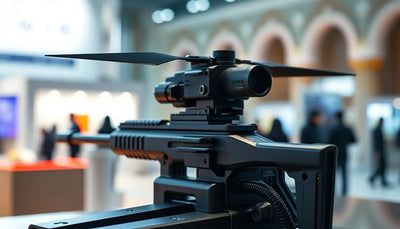
Ukraine Tests Nine DJI Mavic Replacements Against 60-Minute Flight Bar
Brave1 and Ukraine's Defense Ministry tested Mavic-type drones from nine makers against a 60-minute flight requirement with no GPS. Winners advance toward contracts, signaling how defense demand is reshaping the small drone supply chain.

Quick answer
Brave1 and Ukraine's Defense Ministry tested Mavic-type drones from nine manufacturers against a 60-minute flight requirement with no GPS, and the winners advance toward contracts.
- Nine Mavic-class drone makers participated in the evaluation
- The test bar was 60 minutes of flight without GPS
- Winning platforms move to the next procurement stage
- The effort targets replacements for DJI Mavic-type airframes
Evidence: DroneXL.co · Defense.gov official source
Fleet readiness
Keep DJI hardware available without overbuying new units.
Use defense and fleet news as a planning signal for repair support, inspected pre-owned aircraft, and replacement timing.

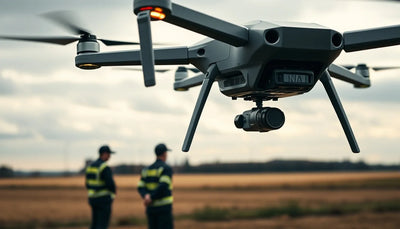
Ukraine's defense technology cluster Brave1 and the country's Defense Ministry have completed a structured evaluation of Mavic-type drones from nine different manufacturers, according to a report published by DroneXL.co on November 18, 2026. The central requirement was demanding: each platform had to demonstrate 60 minutes of flight time while operating without GPS. The winners of the evaluation now move forward toward contracts.
The test represents one of the clearest public signals yet that Ukrainian defense procurement is actively working to reduce dependence on DJI Mavic-class airframes by building a competitive domestic and allied supply base. For commercial drone buyers, fleet operators, and repair customers watching the small drone market, the evaluation matters because it shows how battlefield requirements are beginning to influence the broader ecosystem of Mavic-type hardware, spare parts, and service expectations.
What the Brave1 evaluation actually tested
According to the DroneXL.co report, the evaluation brought together Mavic-type drones from nine makers under a single performance bar: 60 minutes of flight and no GPS dependency. The source summary does not name the individual manufacturers, the specific airframe models, or the exact pass rate among the nine entrants. That level of operational detail remains limited in the public reporting.
The no-GPS requirement is the most commercially significant element of the test. Mavic-class drones in civilian use depend heavily on satellite positioning for stability, return-to-home behavior, and automated flight modes. A platform that can sustain controlled flight for an hour without GPS implies a different flight control architecture, stronger onboard stabilization, and likely a more resilient navigation stack. For operators in GPS-denied or signal-contested environments, that capability is not a convenience; it is the baseline for mission viability.
Reboot Hub analysis: the 60-minute bar also matters because it sits well above the typical real-world endurance of most consumer Mavic-class platforms under normal payload and wind conditions. If the winning entrants can hold that endurance in operational conditions, they would represent a meaningful step beyond the flight times many commercial pilots currently plan around.
Why defense demand is reshaping the Mavic-class supply chain
The Brave1 evaluation is not an isolated procurement exercise. It fits a broader pattern in which defense buyers are treating the Mavic form factor as a commodity category rather than a single-brand standard. That shift has direct consequences for how small drone hardware is designed, stocked, repaired, and resold.
When a defense ministry tests nine Mavic replacements, it sends a demand signal to manufacturers that interoperability, repairability, and component availability matter as much as raw flight performance. A platform that wins a contract must be maintainable in the field, which means spare arms, motors, gimbals, batteries, and flight controllers need to be available in volume. For commercial repair operations, that dynamic can eventually expand the parts ecosystem beyond DJI's own supply chain.
The pre-owned DJI market sits in an interesting position here. Mavic-class airframes remain widely available on the second-hand market, and many civilian operators still prefer DJI's mature software and camera ecosystem. But as defense-aligned manufacturers scale Mavic-type alternatives, some of the engineering lessons from programs like the Brave1 evaluation tend to filter into civilian products over time. Buyers evaluating pre-owned DJI drones today are not directly affected by this test, but they are watching the early stages of a market where Mavic-class capability is becoming less exclusive to a single brand.
What this means for drone owners and the market
For a commercial pilot or small fleet manager, the immediate takeaway from the Brave1 test is that Mavic-type capability is now a contested category. The evaluation did not announce a DJI ban, a regulatory change, or a consumer product launch. But it did confirm that institutional buyers are actively funding alternatives and that those alternatives are being measured against a demanding operational standard.
Reboot Hub analysis: That has practical consequences. Operators who fly Mavic-class drones for mapping, inspection, or public safety work should watch whether the winning platforms from this evaluation eventually appear in civilian or export markets. If they do, the competitive pressure could affect pricing, spare parts availability, and the resale value of older DJI airframes. Fleet managers who currently standardize on a single Mavic-type platform may want to track which manufacturers are proving endurance and GPS-denied performance, because those are the suppliers most likely to influence the next generation of small commercial drones.
For repair customers and owners of pre-owned DJI drones, the relevant question is simpler: does this news change the serviceability or resale value of the Mavic you already own? In the short term, no. DJI's civilian parts network and repair ecosystem remain intact, and the Brave1 evaluation does not alter the availability of OEM-pulled parts or professional DJI repair services. But over a longer horizon, any sustained defense shift toward alternative Mavic-type platforms could gradually reshape which airframes hold value in the second-hand market. Readers tracking those shifts can monitor the broader Drone Wiki for updates on how Mavic-class alternatives and pre-owned DJI values evolve. For owners evaluating service and lifecycle risk, Drone Wiki explains the relevant repair, parts, resale, or operational path.
Reboot Hub analysis: The operator-facing action is straightforward: treat this evaluation as an early indicator, not an immediate procurement mandate. If you are buying a Mavic-class drone today, your decision should still rest on camera quality, flight software maturity, repair access, and mission fit. But if you manage a fleet with a two-to-three-year planning horizon, start tracking the manufacturers that cleared the 60-minute no-GPS bar, because they are the ones most likely to define the next procurement cycle.
The wider signal for defense drone procurement
The Brave1 test also illustrates how quickly defense procurement can move when a specific airframe category becomes operationally essential. Mavic-type drones have been used extensively in Ukraine for reconnaissance and fire adjustment, and the operational tempo has exposed both the strengths and the limitations of consumer-derived platforms. A 60-minute endurance requirement with no GPS is a direct response to those battlefield lessons.
Reboot Hub analysis: From a market perspective, this kind of structured evaluation is significant because it creates a visible performance threshold that other buyers can reference. Even if the nine entrants are not named publicly, the existence of the test tells manufacturers what the buyer values: endurance and GPS independence. Those two requirements are likely to appear in future tenders, not just in Ukraine but among other defense and security buyers facing similar operational conditions.
The DroneXL.co report does not specify whether the winning platforms are already in production, whether the contracts are domestic or international, or what volume of units is under consideration. Those details remain source-limited. What is clear is that the evaluation has moved from testing to a contract-facing stage, which is the point where procurement signals start to have real supply chain consequences.
FAQ
Frequently asked questions
Did Ukraine ban DJI Mavic drones?
No. The DroneXL.co report describes an evaluation of Mavic-type replacements from nine makers, not a ban on DJI products. The test is focused on building alternative supply options for defense use.
What was the performance bar in the Brave1 test?
The reported bar was 60 minutes of flight time with no GPS. Drones that met the requirement advanced toward contracts, according to the source.
Does this affect the pre-owned DJI Mavic market?
Not immediately. The evaluation does not change DJI's civilian parts or repair ecosystem. Over time, successful Mavic-type alternatives could influence resale values, but current pre-owned DJI owners should not expect a short-term impact.
Which sources support this update?
The visible evidence links identify DroneXL.co and Defense.gov official source; each source is used only for the claim it directly supports.
What remains subject to change?
Retail pricing, availability, product bundles and regulatory timelines can change. Readers should verify the latest terms with the named retailer, manufacturer or regulator before acting.
How should buyers or operators use this analysis?
Use the verified facts as a starting point, then compare mission fit, lifecycle support, maintenance needs and current procurement terms before making a purchase or fleet decision.
Sources consultées
- DroneXL.co - primary source
- Defense.gov official source - official government source
Reboot Hub Editorial propose des analyses d'achat, de réparation, de revente et d'exploitation pour les propriétaires de drones. Si vous constatez une erreur, contactez-nous pour une demande de correction conformément à notre politique éditoriale.