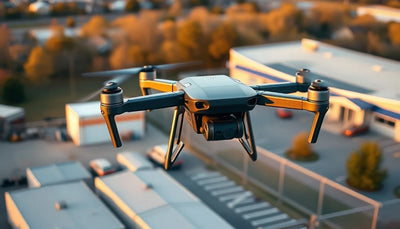
New DroneXL Report Maps First-Flight Legal and Buying Hurdles
A new DroneXL report outlines what first-time drone buyers face on equipment, legal requirements, and initial flight planning. The breakdown arrives as commercial and hobbyist interest in entry-level DJI platforms keeps rising.

Quick answer
A new DroneXL report published via Google News outlines the core buying, legal, and first-flight considerations for new drone operators.
- DroneXL identifies equipment selection, legal requirements, and first-flight planning as the three central areas for new pilots
- The report is global in scope and appears aimed at entry-level and first-time drone operators
- The source does not include confirmed agency rulings, penalties, or specific model specifications
- Reboot Hub analysis suggests first-time buyer activity can influence demand for inspected pre-owned DJI platforms and OEM-pulled parts
Evidence: FAA UAS official guidance
Operator checklist
Turn policy news into a safer fleet decision.
Before changing aircraft, compare repair paths, available DJI inventory, and trade-in timing against the rule change.

A new report from DroneXL, distributed through Google News, maps the early decisions that shape a first-time drone operator's experience. The piece covers what to buy, what the law requires, and what an initial flight should look like. For commercial readers, the value is less in the beginner framing and more in what the report signals about the entry-level segment of the drone market.
The report does not introduce a new regulation, a fresh agency ruling, or a specific product launch. Instead, it consolidates the practical starting points that new pilots encounter. That consolidation matters because first-time buyers are a meaningful demand signal for the broader DJI ecosystem, including the pre-owned market and the repair channel that supports older and entry-level platforms.
What the DroneXL report actually covers
According to the DroneXL report, new operators face three connected decisions: selecting appropriate equipment, understanding the legal framework that applies to their region, and structuring a first flight that builds competence without unnecessary risk. The report is global in scope, which means it does not anchor itself to a single regulator such as the FAA or EASA. That broad framing limits the specificity of the legal guidance but reflects the reality that drone rules vary significantly by jurisdiction.
For a commercial operator or a fleet manager, the equipment and legal sections are the most relevant. The report's emphasis on legal requirements before flight is consistent with how regulators across major markets have approached drone operations in recent years. First-time buyers who skip registration, airspace awareness, or operator identification requirements can face administrative consequences. The report does not cite specific penalties or enforcement examples, so readers should treat the legal section as a general orientation rather than a compliance checklist for any single country.
The practical implication is straightforward: procurement teams and individual buyers should treat legal readiness as a purchase criterion, not an afterthought. A drone that meets a buyer's technical needs but cannot be operated legally in the intended airspace is a stranded asset. That logic applies equally to new equipment and to pre-owned DJI platforms entering a second ownership cycle.
Why the entry-level segment matters commercially
The DroneXL report's focus on first-time pilots is a reminder that the bottom of the market drives volume, even when enterprise and public-sector contracts dominate revenue headlines. Entry-level buyers tend to be price-sensitive, comparison-driven, and less certain about long-term use cases. That profile creates consistent demand for lower-cost platforms, including inspected pre-owned DJI drones that offer a lower entry price than new retail units.
Reboot Hub analysis: Reboot Hub analysis suggests that when first-time buyer interest rises, two secondary markets benefit. The first is the pre-owned DJI market, where buyers look for platforms that have been inspected and are ready for legal operation. The second is the repair and spare parts channel, because entry-level operators are more likely to experience early crashes, gimbal damage, or battery issues. OEM-pulled parts and professional DJI repair services become more relevant as the installed base of first-time operators grows.
The report does not provide sales data, pricing trends, or model-level demand figures. Any connection between first-time buyer education content and actual market movement is interpretive. Still, the publication of a dedicated starting guide through a DJI-focused news channel indicates that publishers see sustained interest in the entry-level segment.
What this means for drone owners and the market
For current drone owners, the report's structure is a useful audit prompt. A buyer who already owns a platform can use the same three categories to evaluate whether their equipment, legal standing, and operational habits remain sound. That is especially relevant for operators who purchased a drone informally, inherited one, or acquired a pre-owned unit without reviewing registration and airspace requirements.
The resale angle is also worth watching. If first-time buyers are increasingly entering through educational content like the DroneXL report, sellers of pre-owned DJI drones should expect buyers to ask more questions about legal readiness, battery condition, and repair history. A transparent ownership record and a clear condition report become selling points, not optional details. For readers evaluating the broader market, the DroneXL report is a soft signal that entry-level demand remains resilient even as regulation becomes more structured. For owners evaluating service and lifecycle risk, Drone Wiki explains the relevant repair, parts, resale, or operational path.
For operators and buyers who want to understand how specific DJI platforms hold up over time, what common repair issues look like, and how the pre-owned market is evolving, the Drone Wiki provides a reference point for ownership and maintenance decisions.
What operators should do differently
The clearest operator-facing takeaway from the DroneXL report is to treat legal readiness as part of the purchase decision. Before buying any drone, whether new or pre-owned, a buyer should confirm the registration or identification requirements in their operating region, verify that the platform can be flown in the intended airspace, and plan a first flight that minimizes risk to people, property, and the aircraft itself.
Fleet managers should apply the same logic at scale. A fleet that grows through opportunistic purchases without a legal and maintenance review will eventually carry compliance and downtime costs. Entry-level platforms, in particular, benefit from a structured inspection and repair process before they enter active rotation. The report does not address fleet operations directly, but its emphasis on legal and equipment fundamentals translates cleanly to multi-aircraft environments.
The source-limited nature of this report means operators should not expect detailed regulatory citations, model comparisons, or technical specifications. The value is directional: it confirms that the entry-level drone market remains active, that legal literacy is a persistent friction point, and that education content continues to shape how new buyers approach their first purchase.
FAQ
Frequently asked questions
Does the DroneXL report introduce a new drone regulation?
No. The report outlines general legal requirements for new drone operators but does not cite a new agency ruling, penalty, or specific regulatory change. It is best read as an orientation piece rather than a compliance update.
Should first-time buyers consider pre-owned DJI drones?
The report does not discuss the pre-owned market directly. However, first-time buyers who are price-sensitive may find inspected pre-owned DJI platforms a practical entry point, provided they verify legal registration requirements and equipment condition before flying.
What should a fleet manager take from this report?
Fleet managers should treat legal readiness and equipment inspection as connected procurement criteria. A structured review of registration, airspace access, and repair history reduces the risk of adding drones that cannot be operated legally or reliably.
Which sources support this update?
The visible evidence links identify FAA UAS official guidance; each source is used only for the claim it directly supports.
What remains subject to change?
Retail pricing, availability, product bundles and regulatory timelines can change. Readers should verify the latest terms with the named retailer, manufacturer or regulator before acting.
How should buyers or operators use this analysis?
Use the verified facts as a starting point, then compare mission fit, lifecycle support, maintenance needs and current procurement terms before making a purchase or fleet decision.
Sources consultées
Aucune documentation officielle supplémentaire n'était disponible au moment de la publication.
Reboot Hub Editorial propose des analyses d'achat, de réparation, de revente et d'exploitation pour les propriétaires de drones. Si vous constatez une erreur, contactez-nous pour une demande de correction conformément à notre politique éditoriale.