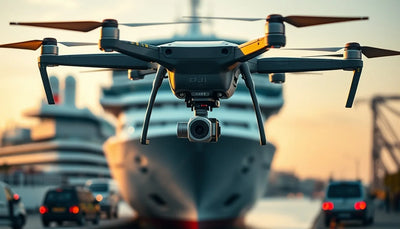
Drone Telematics Market Projected to Reach $3.0 Billion by 2032
A new global strategic business report values the drone telematics market at $1.7 billion in 2025 and projects 8.4% annual growth through 2032. The expansion carries direct implications for fleet planning, maintenance, and pre-owned drone asset management.

Quick answer
A ResearchAndMarkets.com strategic business report values the global drone telematics market at $1.7 billion in 2025 and projects it will reach $3.0 billion by 2032, a compound annual growth rate of 8.4%.
- The market is forecast to expand at an 8.4% CAGR from 2025 through 2032.
- Growth is tied to rising UAV deployment across agriculture, logistics, infrastructure inspection, defense, and emergency response.
- Key players named in the report include AeroVironment, DroneDeploy, Skydio, SZ DJI Technology, and Teledyne.
- The report was published through ResearchAndMarkets.com and distributed via Yahoo Finance on November 16, 2026.
Evidence: Source material · AeroVironment unmanned systems solutions · Defense.gov official source
Fleet readiness
Keep DJI hardware available without overbuying new units.
Use defense and fleet news as a planning signal for repair support, inspected pre-owned aircraft, and replacement timing.

Verified facts
What the available evidence confirms
| Metric | 2025 Value | 2032 Projection |
|---|---|---|
| Global drone telematics market size | US$1.7 billion | US$3.0 billion |
| Compound annual growth rate | 8.4% CAGR | 8.4% CAGR |
A strategic business report published through ResearchAndMarkets.com and distributed by Yahoo Finance on November 16, 2026, values the global drone telematics market at US$1.7 billion in 2025 and projects it will reach US$3.0 billion by 2032. The forecast implies a compound annual growth rate of 8.4% over the period, according to the report summary cited by the financial news platform.
The report identifies growth drivers across commercial and government sectors, including the increasing deployment of unmanned aerial vehicles in agriculture, logistics, infrastructure inspection, defense, and emergency response. Named market participants include AeroVironment, DroneDeploy, Skydio, SZ DJI Technology, and Teledyne. For operators and fleet buyers, the projection signals that telematics is moving from an optional add-on toward a standard layer of commercial drone operations.
What the report actually says
The source summary does not disclose full methodology, regional segmentation, or customer-level detail. What it does establish is a baseline valuation of US$1.7 billion for 2025 and a 2032 target of US$3.0 billion, representing an 8.4% CAGR. The report is titled "Drone Telematics - Global Strategic Business Report" and was added to the ResearchAndMarkets.com offering on November 16, 2026.
That growth rate is meaningful because it sits above general inflation expectations and suggests structural demand rather than passive price movement. Telematics in this context refers to the collection, transmission, and analysis of flight, location, and vehicle health data from unmanned aircraft. For a commercial operator, that data layer affects maintenance scheduling, regulatory reporting, insurance positioning, and residual asset value.
The named companies span different parts of the value chain. AeroVironment and Teledyne carry defense and industrial hardware exposure. DroneDeploy operates in software and fleet data workflows. Skydio and SZ DJI Technology represent airframe and autonomy platforms. That mix indicates the telematics market is being shaped by both hardware manufacturers and software providers, which matters when buyers evaluate whether a telematics capability is native to a platform or requires third-party integration.
Why defense and enterprise buyers should pay attention
The report lists defense among the sectors supporting telematics growth. Defense procurement cycles tend to reward vendors that can demonstrate data continuity, fleet readiness metrics, and audit-grade flight records. Telematics feeds directly into those requirements. A defense program office or a contractor managing mixed fleets will increasingly treat telematics as a compliance and readiness tool, not a convenience feature.
For enterprise operators in infrastructure inspection and logistics, the same logic applies through a commercial lens. A telematics record that documents flight hours, battery cycles, environmental exposure, and maintenance events creates a defensible operating history. That history becomes commercially relevant when a fleet manager decides to rotate assets, sell surplus aircraft, or justify capital replacement requests.
Reboot Hub analysis: the projected growth suggests that drones without a coherent data and maintenance trail may become harder to resell or insure at favorable terms as telematics becomes more common across commercial fleets. This is a market signal about documentation standards, not a near-term regulatory requirement.
What this means for drone owners and the market
For individual owners and small commercial operators, the telematics trend changes what a well-maintained drone looks like on paper. A buyer evaluating a pre-owned aircraft will increasingly ask for flight logs, battery health history, and service records. Sellers who can produce that documentation should expect stronger resale positioning. Sellers who cannot may face discounting, even if the airframe appears cosmetically clean. For owners evaluating service and lifecycle risk, Drone Wiki explains the relevant repair, parts, resale, or operational path.
The pre-owned DJI market is directly exposed to this shift. DJI aircraft already generate substantial flight and battery telemetry through their companion applications. Operators who preserve those records, follow OEM maintenance intervals, and use genuine OEM spare parts are building an asset history that aligns with the broader telematics direction described in the report. For buyers considering an inspected pre-owned DJI drone, the practical takeaway is to ask about available flight and maintenance data before purchase. The Drone Wiki provides reference material that can help owners understand what maintenance and documentation practices support long-term drone value.
Reboot Hub analysis: Fleet managers should also treat telematics as a procurement criterion. When evaluating new platforms, the question is not only whether the aircraft can fly a mission, but whether it can export usable operational data into the organization's maintenance and compliance systems. A platform that generates telemetry but locks it inside a proprietary interface may create integration costs later. A platform that supports clean data export can reduce administrative burden and improve fleet-level decision-making.
What operators should do differently now
The report does not announce a new regulation, a product launch, or a pricing change. It is a market forecast. But forecasts like this influence vendor roadmaps, insurance underwriting, and enterprise procurement language. Operators who act before those downstream effects arrive will have more options.
First, start treating flight logs and maintenance records as part of the aircraft's value, not as an afterthought. Export and back up telemetry data after significant operations. Second, when buying pre-owned equipment, ask for documentation of battery cycles, firmware history, and any repair work. Third, if your operation relies on mixed fleets, evaluate whether your current platforms can export telemetry into a central record system without manual re-entry.
For defense-adjacent contractors, the named companies in the report are worth monitoring. AeroVironment and Teledyne have established positions in military and industrial markets. Skydio has expanded into defense and enterprise autonomy. DJI remains the dominant consumer and commercial airframe supplier globally. DroneDeploy's presence in the report underscores that software and data workflows are becoming as strategically important as the aircraft themselves.
The 8.4% CAGR is a useful planning number, but the operational signal is more important than the percentage. Telematics is becoming a standard expectation across commercial drone categories. Operators who build documentation discipline now will be better positioned for resale, insurance, compliance, and fleet renewal decisions over the next several years.
FAQ
Frequently asked questions
What is drone telematics?
Drone telematics refers to the collection, transmission, and analysis of operational data from unmanned aircraft, including flight time, location, battery health, and maintenance events. The report frames it as a growing market layer across commercial and defense drone operations.
How fast is the drone telematics market growing?
The report projects the global drone telematics market will grow from US$1.7 billion in 2025 to US$3.0 billion by 2032, a compound annual growth rate of 8.4%.
Should pre-owned drone buyers care about telematics?
Yes. As telematics becomes more common, documented flight and maintenance history will increasingly affect resale value, insurance terms, and fleet purchasing decisions. Buyers should ask for available flight logs and service records before purchasing a pre-owned drone.
Which sources support this update?
The visible evidence links identify Source material and AeroVironment unmanned systems solutions and Defense.gov official source; each source is used only for the claim it directly supports.
What remains subject to change?
Retail pricing, availability, product bundles and regulatory timelines can change. Readers should verify the latest terms with the named retailer, manufacturer or regulator before acting.
How should buyers or operators use this analysis?
Use the verified facts as a starting point, then compare mission fit, lifecycle support, maintenance needs and current procurement terms before making a purchase or fleet decision.
Sources consultées
- Source material - primary source
- AeroVironment unmanned systems solutions - official company source
- Defense.gov official source - official government source
Reboot Hub Editorial propose des analyses d'achat, de réparation, de revente et d'exploitation pour les propriétaires de drones. Si vous constatez une erreur, contactez-nous pour une demande de correction conformément à notre politique éditoriale.