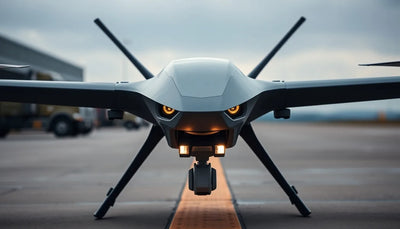
DJI Ends Support for the Inspire 2 Cinema Drone
DJI has reportedly ended support for the Inspire 2, one of its most iconic cinema drones. The shift carries immediate implications for fleet operators, repair planning, and the pre-owned DJI market as parts and service availability narrow.

Quick answer
DJI has reportedly ended support for the Inspire 2, one of its most iconic cinema drones, according to Y.M.Cinema Magazine.
- The report points to the end of official support for the Inspire 2 platform
- Owners may face narrowing access to OEM service and spare parts over time
- Fleet operators should review maintenance and replacement planning now
- The pre-owned DJI market may see pricing and availability shifts for Inspire 2 units
DJI has reportedly ended support for the Inspire 2, one of the most recognizable cinema drones in the company's history. The development was reported by Y.M.Cinema Magazine, which covers production technology and cinema equipment, and it marks a meaningful turning point for a platform that helped define aerial cinematography for independent filmmakers, production houses, and commercial drone operators.
DJI buying context
Match product news to hardware you can actually deploy.
Check inspected DJI aircraft, repair support, and trade-in timing before deciding whether to upgrade, repair, or wait.

For drone buyers, fleet managers, and repair customers, the end of official support is not simply a product lifecycle footnote. It changes how operators should think about maintenance, spare parts, insurance decisions, and the resale value of existing Inspire 2 units. The Inspire 2 has been a workhorse in professional video production since its launch, and many units remain in active commercial service today.
The reported end of support and what it covers
According to the report from Y.M.Cinema Magazine, DJI has ended support for the Inspire 2, a cinema drone that gained a strong following among filmmakers and commercial operators for its interchangeable camera payloads and robust flight platform. The report does not specify an exact date for the support change, nor does it detail whether the shift applies globally or to specific service regions. Reboot Hub analysis suggests that operators should treat the report as a signal to verify their own service options directly with DJI or authorized service channels in their region.
The practical meaning of "ended support" can vary. In many cases, it means that manufacturers stop producing certain spare parts, wind down dedicated repair lines, or remove a model from active firmware development. For a cinema drone like the Inspire 2, that can affect everything from gimbal repairs to battery availability and camera module servicing. Operators who rely on the platform for client work should not assume that service will disappear overnight, but they should plan for a gradual tightening of official repair and parts channels.
What this means for drone owners and the market
The most immediate consequence falls on operators who still fly Inspire 2 units for paid production work. A drone that can no longer be serviced through official channels becomes a different kind of asset. Maintenance costs can rise as operators turn to independent repair shops or source OEM-pulled parts from the secondary market. For commercial teams, that shifts the risk calculation: a grounded Inspire 2 during a busy production season is more costly when replacement parts are harder to find quickly.
Reboot Hub analysis: The pre-owned DJI market is likely to feel this shift as well. When official support ends for a flagship cinema platform, some owners accelerate sales while their units still hold value, while others hold onto working aircraft and treat them as self-insured assets. Buyers considering a used Inspire 2 should now weigh the purchase price against the reality of narrowing service options. For those who already operate the platform, reviewing maintenance history and securing access to genuine OEM spare parts becomes a more urgent planning task. Reboot Hub maintains a Drone Wiki that can help operators understand model-specific repair and parts considerations as support landscapes change.
Fleet managers should also consider how this affects their broader equipment strategy. If the Inspire 2 was a primary or backup cinema platform, the end of support may accelerate evaluation of newer DJI cinema drones or shift budget toward maintaining a smaller number of fully serviceable aircraft. The key is not to react hastily, but to map out which units are mission-critical and what their realistic service horizon looks like.
Repair, parts, and the secondary market outlook
One of the most important commercial questions is what happens to repair capacity. Independent drone repair providers often step in when manufacturers reduce official support, and the availability of pristine pre-owned and OEM-pulled parts becomes more important for keeping older fleets operational. For the Inspire 2, that could mean a growing role for repair specialists who can service gimbals, landing gear mechanisms, and camera interfaces without relying on factory replacement components. For owners evaluating service and lifecycle risk, Drone Wiki explains the relevant repair, parts, resale, or operational path.
Operators should be cautious about sourcing parts from unverified sellers, especially for a cinema platform where camera alignment and gimbal calibration are critical to output quality. The difference between a properly inspected OEM-pulled part and an unverified component can be significant in terms of reliability and image stability. For buyers in the pre-owned DJI market, asking about service history, part provenance, and recent calibration work is now more important than ever.
There is also a resale timing question. Some Inspire 2 owners may choose to sell now while demand remains relatively strong among operators who need a compatible backup or a lower-cost entry into cinema drone work. Others may find that holding a well-maintained unit is more valuable than selling into a market where buyers are increasingly aware of the support limitations. Neither approach is universally correct, but the decision should be made deliberately rather than by default.
What operators should do next
Reboot Hub analysis: The practical takeaway for any Inspire 2 owner or operator is to assess the current condition of their aircraft, confirm what service options remain available in their region, and build a contingency plan for critical components. That includes checking battery health, reviewing recent firmware status, and identifying a repair provider who can realistically support the platform going forward. For commercial teams, documenting maintenance records and understanding which parts are most likely to fail can help reduce downtime risk.
Buyers evaluating a used Inspire 2 should factor the support change into their pricing assumptions. A lower purchase price may not be a bargain if the aircraft requires specialized repair work that is becoming harder to source. Conversely, a well-documented unit with recent service history may still offer strong value for operators who understand the platform and have access to independent repair support. The market is not disappearing, but it is becoming more selective.
For the broader DJI ecosystem, the reported end of Inspire 2 support is a reminder that even flagship platforms have finite service lives. Fleet planning should always include a realistic view of how long a given model will remain economically serviceable, not just how well it flies today. The operators who manage that transition thoughtfully will be better positioned to keep production schedules intact without overpaying for aging hardware.
FAQ
Frequently asked questions
Has DJI officially confirmed the end of Inspire 2 support?
The report comes from Y.M.Cinema Magazine, which covers cinema production technology. Operators should verify their specific service options directly with DJI or authorized service channels in their region, as the report does not detail the exact scope or timing of the support change.
Can I still get my Inspire 2 repaired?
Reboot Hub analysis: Independent repair providers and secondary-market parts channels may still support the Inspire 2, but official service availability is likely to narrow over time. Owners should identify a repair provider now and assess the condition of critical components such as batteries, gimbals, and camera interfaces.
Should I sell my Inspire 2 now?
There is no single correct answer. Some owners may benefit from selling while demand remains, while others may prefer to hold a well-maintained unit as a working asset. The decision should be based on your current usage, maintenance history, and access to reliable repair support.
Which sources support this update?
The article distinguishes reported information from analysis and does not present an unverified source as official confirmation.
What remains subject to change?
Retail pricing, availability, product bundles and regulatory timelines can change. Readers should verify the latest terms with the named retailer, manufacturer or regulator before acting.
How should buyers or operators use this analysis?
Use the verified facts as a starting point, then compare mission fit, lifecycle support, maintenance needs and current procurement terms before making a purchase or fleet decision.
Sources consultées
- Y.M.Cinema Magazine via Google News - primary source
Aucune documentation officielle supplémentaire n'était disponible au moment de la publication.
Reboot Hub Editorial propose des analyses d'achat, de réparation, de revente et d'exploitation pour les propriétaires de drones. Si vous constatez une erreur, contactez-nous pour une demande de correction conformément à notre politique éditoriale.