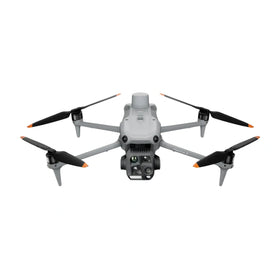
Defense Budget Surge: What It Means for Drone Fleet Buyers
The FY2027 U.S. defense budget request jumps 44% to $1.45 trillion. NATO targets 5% GDP on defense by 2035. Drone fleet buyers and second-hand market participants should prepare for rising demand, tighter supply of rugged systems, and shifting resale values.

Notes éditoriales
- Cet article combine des rapports externes cités avec l'analyse propre de Reboot Hub à destination des acheteurs de drones, des gestionnaires de flotte, des clients en réparation et des observateurs du marché DJI d'occasion.
- Les faits sources sont séparés de l'interprétation. Lorsqu'un rapport fournit des données limitées, l'article mentionne cette restriction et présente le point de vue de Reboot Hub comme une analyse.
- Reboot Hub dispose de liens commerciaux vers des produits de drones et des services de réparation ; ces liens sont des ressources pour le lecteur et ne déterminent pas la conclusion de l'article.
The Department of War’s FY2027 budget request landed at $1.45 trillion, a $440.9 billion or 44% increase over the FY2026 enacted level. NATO allies have committed to spending 5% of GDP on defense by 2035. For drone fleet operators, repair customers, and second-hand market participants, this is a clear signal: demand for rugged, certifiable unmanned systems is about to accelerate, and the ripple effects will touch pricing, parts availability, and asset lifecycle planning.

Market and sector signal
The scale of the increase is unprecedented outside of wartime. The $1.45 trillion baseline does not include supplemental packages or allied contributions. When combined with NATO’s 5% GDP target, the multi-year procurement envelope for drones—both tactical and strategic—widens considerably. Defense primes like Northrop Grumman, Lockheed Martin, and General Dynamics, cited in the source analysis, are structurally positioned to benefit. These companies are already investing in drone platforms, from long-endurance surveillance UAVs to autonomous logistics systems.
For the drone sector, this means two things. First, defense contracts will absorb production capacity for high-endurance, ruggedized systems, tightening supply for enterprise and government buyers outside direct military programs. Second, the increased R&D funding will push forward capabilities in autonomy, swarm control, and all-weather operations—features that eventually trickle down to commercial platforms. Fleet managers should monitor contract awards and prime supplier earnings calls for signals on component lead times and pricing trends.
What this means for drone buyers
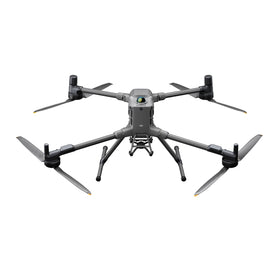
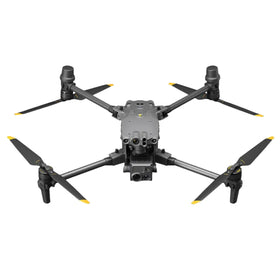
If you are evaluating a new drone purchase or planning a fleet expansion over the next 18 months, the defense ramp-up should factor into your timeline and budget. Commercial buyers of systems like the DJI Matrice or DJI Dock 3—which the verified product database lists with an operating temperature range of -30 to 50 °C, an IP56 rating, and a maximum landing wind speed of 12 m/s—may face competition for production slots if defense primes shift more component orders to common suppliers. These environmental specs are precisely the kind of ruggedness that defense customers value, meaning the same supply chain that builds commercial docks could be tapped for military variants.
Purchase timing
Use market shifts to buy smarter, not faster.
When pricing, earnings, or supply news moves the drone market, compare certified pre-owned options and repair paths before committing new capital.
Pricing for new enterprise drones is likely to remain firm or increase. Discounts and promotional bundles may become less frequent as manufacturers prioritize higher-margin defense contracts. For buyers with flexibility, locking in orders now, especially for certified refurbished units from reliable sources, could hedge against price inflation. Used-market prices for systems that are not military-grade may soften as fleet operators upgrade to hardened platforms. Conversely, rugged used drones with documented service history could hold value better.
Fleet planning and repair readiness
Longer lead times for new equipment mean that existing fleets must be kept operational longer. Repair capacity and genuine parts availability become critical. The defense budget surge will also increase demand for third-party maintenance services that comply with military and insurance standards. Fleet operators should review their repair contracts and consider stocking commonly needed OEM spare parts in advance. For DJI platforms, professional repair services using genuine parts can extend service life and maintain resale value.
Digital strategies like MTS Radar, which maps airspace and operational risk, will become more important for fleet managers balancing civilian and defense-contracted missions. As defense spending raises the baseline for drone capability, compliance with airspace regulations and safety standards becomes a competitive advantage.
Implications for the second-hand drone market
The second-hand drone market will experience a bifurcation. Systems that meet military-grade environmental and security standards will see stable or rising prices, while consumer and prosumer drones may depreciate faster as defense buyers focus on newer, more secure platforms. Sellers of used DJI Dock 3 units or equivalent rugged docks can expect stronger interest, especially if units are sold with service logs and transferable warranties. Buyers looking for bargains on older enterprise drones should act before defense contracts pull supply away from the commercial channel.
We recommend that second-market sellers highlight verified specs such as ingress protection rating, operating temperature range, and documented maintenance history. These details—like the DJI Dock 3’s IP56 rating and 12 m/s max landing wind speed—are exactly the data points defense contractors and government buyers will demand. A transparent listing with hard numbers commands a premium.
How should I adjust my drone purchase timeline given the defense budget increase?
If you need new enterprise drones within the next year, consider ordering soon. Supply of rugged systems like the DJI Dock 3 may tighten as defense contracts absorb production. Certified refurbished units offer a faster, cost-effective alternative if lead times stretch.
Will the used drone market crash?
No, but it will segment. Military-grade and rugged commercial drones with documented histories will hold value. Consumer drones and less durable enterprise models may depreciate faster. Sellers should emphasize environmental specs and repair records to command better prices.
Does this affect repair parts availability for DJI drones?
Indirectly, yes. If common supply chain components are diverted to defense contracts, lead times for some OEM spare parts may increase. Fleet operators should stock critical parts in advance and use certified repair services to maintain compliance and warranty coverage.
From Reboot Hub
Use market shifts to buy smarter, not faster.
When pricing, earnings, or supply news moves the drone market, compare certified pre-owned options and repair paths before committing new capital.
Certified DJI drones
Inspected pre-owned aircraft with warranty coverage and clear condition grading.
Browse inventory ->Genuine-part repair
Diagnostics, repair planning, and component replacement for working DJI fleets.
Book a repair ->OEM spare parts
Batteries, propellers, gimbals, and essential DJI components for faster recovery.
Shop parts ->