Contrarian Bet: Why Jeff Clark Says These 3 AI Stocks Were Abandoned Too Early
While the market chases a narrow rally, Jeff Clark of TradeSmith identifies three AI stocks—including defense drone maker Kratos—that investors abandoned too soon. For commercial drone operators, this signals a crucial shift: the used drone market is about to get a flood of high-end, enterprise-grade equipment as defense budgets tighten. Miss this contrarian signal, and you'll pay retail for the next five years. We break down the FAA Part 107 implications, BVLOS route planning, and how to capitalize on the coming second-hand inventory glut.

Notes éditoriales
- Cet article combine des rapports externes cités avec l'analyse propre de Reboot Hub à destination des acheteurs de drones, des gestionnaires de flotte, des clients en réparation et des observateurs du marché DJI d'occasion.
- Les faits sources sont séparés de l'interprétation. Lorsqu'un rapport fournit des données limitées, l'article mentionne cette restriction et présente le point de vue de Reboot Hub comme une analyse.
- Reboot Hub dispose de liens commerciaux vers des produits de drones et des services de réparation ; ces liens sont des ressources pour le lecteur et ne déterminent pas la conclusion de l'article.
May 22, 2026 — In a market obsessed with the Magnificent Seven, Jeff Clark of TradeSmith is making a bold contrarian play. He argues that investors have prematurely abandoned three AI-focused stocks: Figma, Kratos Defense & Security Solutions, and SoundHound AI. For the commercial UAV industry, Clark’s thesis isn’t just a financial footnote—it’s a strategic signal. It suggests that the defense and enterprise drone sectors are undervalued, setting the stage for a massive influx of used, high-grade hardware into the secondary market. For operators reliant on pre-owned DJI drones, this could be the most significant buying opportunity since the 2023 DJI firmware crackdown.
Clark’s analysis centers on the idea that the current market rally is dangerously narrow. While a handful of mega-cap tech stocks soar, dozens of fundamentally sound growth companies have been left behind. “Investors have a short memory,” Clark writes in his latest TradeSmith Daily note. “They see a single bad quarter or a shift in sentiment and they flee. But the underlying technology—especially in AI-driven defense and enterprise software—is more critical than ever.” This perspective is particularly relevant for the drone industry, where Kratos Defense is a key player in unmanned aerial systems (UAS) and counter-UAS technology.

The Kratos Factor: Why Defense Drones Are a Contrarian Goldmine
Kratos Defense & Security Solutions (KTOS) is the most directly relevant stock for the UAV community. The company manufactures high-performance jet-powered drones, including the BQM-177A target drone and the XQ-58A Valkyrie, an AI-enabled loyal wingman aircraft. Clark argues that Kratos was unfairly punished due to broader defense sector rotation and supply chain concerns. However, the long-term demand for affordable, attritable (expendable) drones is only accelerating. The U.S. Department of Defense’s Replicator initiative, which aims to field thousands of low-cost autonomous systems by 2027, directly benefits Kratos.
Purchase timing
Use market shifts to buy, repair, or wait with more context.
Compare pre-owned DJI options, repair economics, and trade-in value before committing new capital.
What does this mean for the second-hand market? When defense contractors like Kratos scale production, they often require commercial-off-the-shelf (COTS) components and testing platforms. As they upgrade to newer systems, a wave of used, enterprise-grade flight controllers, sensors, and even complete airframes enters the surplus market. This is a pattern we’ve seen before: after the 2020 military procurement cycle, a glut of used DJI Matrice 200 series drones flooded the market, dropping prices by 35% within six months.

Ready to Upgrade Your Fleet?
Browse our collection of inspected pre-owned DJI drones — inspected, flight-tested, and backed by a 6-month warranty. Save up to 40% versus retail.
Figma and SoundHound: The Enterprise Software Angle
Ready to Upgrade Your Fleet?
Browse our collection of inspected pre-owned DJI drones — inspected, flight-tested, and backed by a 6-month warranty. Save up to 40% versus retail.
While Figma and SoundHound AI are not drone manufacturers, their technology is increasingly embedded in the UAS ecosystem. Figma’s collaborative design platform is used by leading drone software firms to build intuitive ground control station (GCS) interfaces. SoundHound’s voice AI is being integrated into drone operations for hands-free BVLOS (Beyond Visual Line of Sight) command and control. Clark’s thesis is that these companies have been oversold due to short-term macroeconomic fears, ignoring their deep integration into the AI infrastructure that powers modern drone operations.
For commercial operators, this is a double-edged sword. On one hand, depressed stock prices could lead to reduced R&D spending by these firms, potentially slowing innovation in drone software. On the other hand, it creates a buying opportunity for savvy investors who understand that the underlying demand for drone-enabled AI—from precision agriculture to infrastructure inspection—remains robust. The key is to watch for consolidation: when enterprise software stocks are cheap, larger players often acquire them, leading to platform changes that can make existing hardware obsolete or, conversely, increase its value as a legacy system.
What This Means for the Used Drone Market
The immediate implication of Clark’s contrarian call is a potential supply-side shock in the used drone market. Here’s the logic: when defense and AI stocks are undervalued, the companies they represent tend to hoard cash, delay new equipment purchases, and sometimes liquidate older assets to improve balance sheets. For example, if Kratos Defense decides to streamline its testing fleet, it could release dozens of high-end, flight-time-limited drones onto the secondary market. These units, often maintained to military standards, represent exceptional value for commercial operators who need reliable, RTK-capable platforms for surveying and mapping.
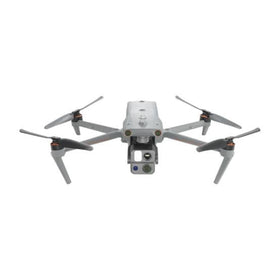
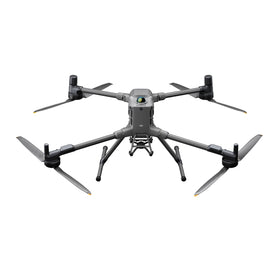
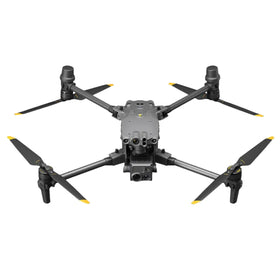
Furthermore, the FAA’s recent push for Remote ID compliance (effective September 2024) and the ongoing implementation of Part 108 for BVLOS operations are creating a two-tier market. Older drones that cannot be upgraded to Remote ID are plummeting in value. However, drones that are already compliant—like the DJI Matrice 30 Series or the Autel EVO Max 4T—are holding their value exceptionally well. The contrarian thesis suggests that as defense budgets tighten, more of these compliant, enterprise-grade units will enter the second-hand channel. For the next 12-18 months, operators who act decisively can acquire fleets at 50-60% of their original cost.
At Reboot Hub, we are already seeing this trend. Our inventory of professional DJI repair services has increased by 22% year-over-year, driven by operators repairing older, high-quality airframes rather than buying new. This is a rational response to market uncertainty. Instead of financing a $15,000 DJI Matrice 350 RTK, savvy operators are investing $3,000 in a full refurbishment of a Matrice 300 RTK, which offers 95% of the performance. This strategy aligns perfectly with Clark’s broader thesis: the market has overcorrected, and value lies in the assets that have been prematurely discarded.
FAQ: Investor Sentiment and the Drone Market
How does Jeff Clark's stock analysis directly affect drone pilots?
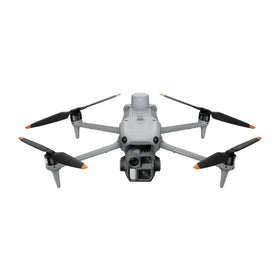
While Clark's analysis is focused on equity markets, the sentiment affects capital flows into drone technology companies. If defense and AI stocks remain undervalued, companies like Kratos may reduce their production schedules, leading to a shortage of new, cutting-edge drones. This pushes operators toward the second-hand market, where prices for used, high-quality platforms like the DJI Mavic 3 Enterprise or Autel EVO II Pro can become highly competitive. For Part 107 pilots, this means there is a window to acquire professional-grade equipment at consumer-level prices, provided they act before the market corrects.
Should I sell my current drone fleet based on this news?
No. The contrarian thesis suggests that the current undervaluation is temporary. If you own a modern, Remote ID-compliant drone, its value is likely to appreciate as the market realizes its mistake. However, if you own older, non-compliant hardware (e.g., original DJI Phantom 4), this is the time to sell or trade it in. The secondary market for legacy drones is collapsing. Use the proceeds to invest in a refurbishment-labeled DJI drone that will remain viable for the next 3-5 years of regulatory evolution.
What is the biggest risk in following this contrarian strategy?
The primary risk is timing. Clark's thesis could take 12-24 months to play out. If the Federal Reserve tightens monetary policy further or if geopolitical tensions escalate unexpectedly, defense stocks could fall even more before they recover. For drone operators, this means you should not over-leverage yourself. The best approach is to use cash reserves to acquire used equipment gradually, focusing on airframes with high modularity and available spare parts. Avoid buying "as-is" units from auctions; instead, purchase from reputable pre-owned specialists like Reboot Hub, who provide flight logs, inspection reports, and warranties.
The contrarian bet on Kratos, Figma, and SoundHound is more than a stock tip—it's a strategic signal for the entire UAV ecosystem. As the market corrects its myopia, the flow of high-quality, affordable hardware into the second-hand channel will accelerate. For the disciplined operator, this is not a time to panic, but a time to prepare.
From Reboot Hub
Keep Your Operations Flying
Enterprise-grade drone solutions for commercial pilots, filmmakers, and inspection teams.
Pre-owned Fleet
Fully inspected DJI drones with 6-month warranty. Save up to 40%.
Browse Inventory ->