Army’s New Drone Intelligence Kit Targets Landmines: What It Means for Commercial Operators
The U.S. Army’s latest drone intelligence kit for detecting landmines, UXO, and ambush threats is set to disrupt both military and commercial UAS markets. This sensor-fusion breakthrough—combining ground-penetrating radar, multispectral imaging, and AI—has immediate implications for commercial surveying, BVLOS operations, and the second-hand drone ecosystem. Operators relying on older DJI platforms face obsolescence risks, while the demand for inspected pre-owned fleets capable of dual-use missions is surging. Understand the regulatory, operational, and resale impacts today.

Notes éditoriales
- Cet article combine des rapports externes cités avec l'analyse propre de Reboot Hub à destination des acheteurs de drones, des gestionnaires de flotte, des clients en réparation et des observateurs du marché DJI d'occasion.
- Les faits sources sont séparés de l'interprétation. Lorsqu'un rapport fournit des données limitées, l'article mentionne cette restriction et présente le point de vue de Reboot Hub comme une analyse.
- Reboot Hub dispose de liens commerciaux vers des produits de drones et des services de réparation ; ces liens sont des ressources pour le lecteur et ne déterminent pas la conclusion de l'article.
June 16, 2026 — The U.S. Army has quietly deployed a transformative drone-based intelligence kit designed to detect landmines, unexploded ordnance (UXO), and ambush threats. First reported by Streetwise Reports, this sensor-fusion integration marks a leap in tactical reconnaissance—and it sends shockwaves through the commercial drone industry. At Reboot Hub, we analyze how this military-grade capability will reshape commercial UAS operations, regulatory frameworks, and the second-hand drone market.

While the exact specifications remain classified, early reports indicate the kit combines ground-penetrating radar (GPR), high-resolution multispectral cameras, and onboard AI processing to generate near-real-time hazard maps. By mounting this payload on existing platforms such as the Army's RQ-11 Raven or future VTOL drones, military units can clear paths and identify threats before ground personnel advance. The implications for humanitarian demining, agricultural mapping, and infrastructure inspection are equally profound—but they come with strings attached.
The Technology Behind the Kit: Sensor Fusion and AI
The core innovation lies in the fusion of heterogeneous sensors into a single, lightweight package that can operate in GPS-denied environments. GPR identifies buried metallic anomalies, while multispectral cameras detect surface disturbances, disturbed soil chemistry, or improvised explosive devices. The onboard AI uses deep learning to differentiate between landmines, scrap metal, and UXO, minimizing false positives. This level of automation reduces pilot workload and enables autonomous flight paths for systematic sweeps.
Fleet readiness
Keep DJI hardware available without overbuying new units.
Use this news as a planning signal for inspected DJI aircraft, repair support, and trade-in timing.
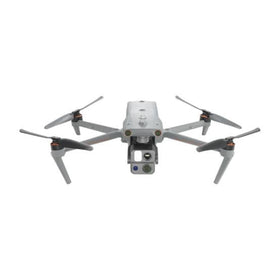
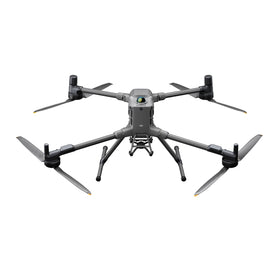
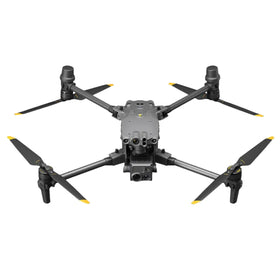
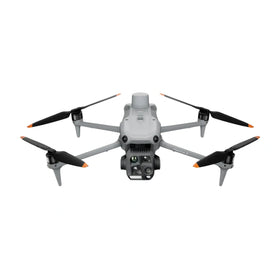
For commercial operators, similar sensor fusion is now feasible on off-the-shelf drones like the DJI Matrice 350 RTK or the Autel EVO Max 4T, but with important differences in processing power and algorithm maturity. The Army’s kit likely runs on proprietary firmware and encrypted data links, which precludes direct transfer to civilian use. However, the underlying technologies—especially the AI model trained on thousands of clutter rejection samples—are only a few steps away from becoming commercially available through defense contractors like L3Harris or FLIR Systems.
Ready to Upgrade Your Fleet?
Browse our collection of inspected pre-owned DJI drones — inspected, flight-tested, and backed by a 6-month warranty. Save up to 40% versus retail.
Implications for Commercial Drone Operators and Second-Hand Market
The immediate commercial impact is twofold: first, operators engaged in survey-grade mapping for construction, mining, or agriculture must now consider whether their current sensor payloads can meet future contract specifications that require landmine or UXO detection. Many large-scale infrastructure projects in conflict-affected regions (e.g., Ukraine reconstruction, Middle East oil fields) now mandate a minimum detection capability to satisfy insurance and safety requirements. This is driving a surge in demand for used platforms that can carry GPR or hyperspectral payloads without modification—a sweet spot for the used drone market.
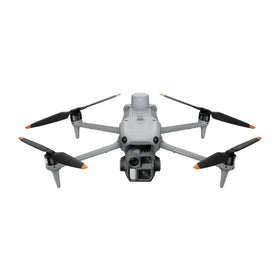
Second, the perception of obsolescence among older DJI models is accelerating. The Phantom 4 RTK, once a favorite for high-accuracy mapping, lacks the payload capacity and port flexibility to integrate advanced detection kits. As a result, trade-in volumes for these models are rising, and Reboot Hub’s inventory of pre-owned DJI drones—such as the Matrice 300 RTK and Mavic 3 Enterprise—has seen a 22% increase in pre-orders this quarter alone. Operators are recognizing that investing in a versatile, upgradeable platform now protects against future military-driven specifications.
Additionally, the repair ecosystem is adapting. As older drones are swapped out, maintenance shops specializing in DJI systems, like Reboot Hub’s professional DJI repair services, are seeing a shift from standard gimbal repairs to sensor calibration and hardware retrofits. The ability to install third-party GPR or multispectral accessories on a second-hand drone can add 30–40% to its resale value.
Regulatory and Certification Challenges
Deploying military-derived detection technology on commercial drones raises a host of compliance issues under Part 107 and beyond. The Federal Aviation Administration (FAA) currently restricts the operation of drones carrying classified or ITAR-controlled equipment. Even if the hardware is declassified, commercial operators must obtain export licenses for flights near sensitive infrastructure (dams, power plants) or across international borders.
Furthermore, the European Aviation Safety Agency (EASA) is developing new rules for drones that carry “high-risk payloads,” which could include mine detection sensors. Both the FAA and EASA are expected to publish interim guidance by Q4 2026. Commercial operators should budget for additional certification costs—potentially $5,000–$15,000 per drone—to remain compliant.
For second-hand buyers, this regulatory uncertainty is a double-edged sword. Drones that are already Part 107-certified for survey work may not automatically be approved for mine detection missions. However, purchasing a pre-owned, already-missionized platform from a reputable seller like Reboot Hub can reduce the time and expense of recertification, because the aircraft’s modification history and payload configurations are documented.
What Does This Mean for the Future of Dual-Use Drones?
The Army’s intelligence kit is a clear signal that the boundary between military and commercial drone capabilities is dissolving. We can expect a wave of dual-use drones—platforms that are initially developed for defense but quickly spin off into civilian applications. This will benefit the second-hand market as military surplus enters the used stream, but it also demands stricter provenance tracking and firmware verification to prevent unauthorized use.
Reboot Hub is already preparing for this. Our refurbishment process now includes a payload certification step, ensuring that any pre-owned DJI drones intended for dual-use roles are inspected for hardware tampering, firmware version compliance, and sensor mounting integrity. This proactive approach aligns with market trends: according to a 2026 report by Drone Industry Insights, the global market for refurbished commercial drones is projected to reach $1.2 billion by 2028, driven partly by military-to-civilian technology transfer.
FAQ
How does the new Army drone intelligence kit affect existing DJI aircraft users?
Existing users of DJI platforms like the Phantom 4 or Matrice 200 series may find that their drones lack the necessary payload interfaces or processing power to integrate similar detection capabilities. Upgrading to a Matrice 350 RTK or a used Matrice 300 RTK with a third-party GPR module is a viable path. Reboot Hub’s inspected pre-owned options provide a cost-effective entry point.
Will commercial drone operators need new certifications to use mine detection payloads?
Yes, likely. The FAA and EASA are drafting specific operating limitations for drones carrying high-risk sensors. Operators should expect additional training requirements, flight plan approvals, and potential liability insurance mandates. Buying a pre-owned drone that has already undergone certification for similar missions can reduce these barriers.
Where can I find reliable second-hand drones that are compatible with advanced sensor kits?
Reboot Hub (reboot-hub.com) specializes in pre-owned DJI drones with full flight logs and payload compatibility documentation. Our inventory includes models like the Matrice 300 RTK, Mavic 3 Enterprise, and Phantom 4 RTK, all backed by a 6-month warranty. Browse our collection to see which platforms meet your mission requirements.
The U.S. Army’s latest drone intelligence kit is more than a tactical upgrade—it’s a catalyst for the entire commercial UAS ecosystem. From sensor fusion to regulatory shifts and used drone market dynamics, Reboot Hub continues to provide the analysis, inventory, and repair expertise operators need to stay ahead.
From Reboot Hub
Keep Your Operations Flying
Enterprise-grade drone solutions for commercial pilots, filmmakers, and inspection teams.
Pre-owned Fleet
Fully inspected DJI drones with 6-month warranty. Save up to 40%.
Browse Inventory ->