DJI eVTOL-Frachtdrohne in Everest-Mission enthüllt: Was es bedeutet
DJI hat seine erste eVTOL-Frachtdrohne im Rahmen einer Everest-Mission vorgestellt und markiert damit einen Sprung in die Schwergutlogistik. Wir analysieren, was dies für gewerbliche Betreiber, Käufer gebrauchter Drohnen, Reparaturdienste und Flottenplanung bedeutet.

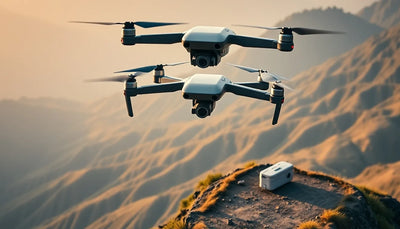
DJI hat im Rahmen einer dramatischen Everest-Mission seine erste eVTOL-Frachtdrohne (elektrischer vertikaler Start und Landung) vorgestellt und markiert damit eine deutliche Abkehr von seinen traditionellen Quadrocoptern für Verbraucher und Unternehmen. Das Ereignis, über das UAV Coach berichtet, positioniert DJI an der Spitze der Schwergut-Luftlogistik – ein Segment, das lange Zeit von Sonderanfertigungen und Zulieferern in Militärqualität dominiert wurde. Für Käufer kommerzieller Drohnen, Flottenmanager und Gebrauchtmarktteilnehmer birgt diese Ankündigung sowohl Versprechen als auch Unsicherheit. Bis zur Veröffentlichung vollständiger technischer Spezifikationen, Preise und kommerzieller Verfügbarkeit bleiben die praktischen Auswirkungen auf den täglichen Betrieb und die Auswahl der Ausrüstung gemessen, aber es lohnt sich, sie zu beobachten.
Die Everest-Mission selbst ist ein überzeugender Proof-of-Concept. Beim Einsatz in extremer Höhe, bei niedrigen Temperaturen und unvorhersehbaren Winden bewies die eVTOL-Drohne eine betriebliche Widerstandsfähigkeit, die weit über typische kommerzielle Drohnenumgebungen hinausgeht. Während die Quelle keine Angaben zu Nutzlast, Reichweite oder Batteriechemie macht, unterstreicht die bloße Tatsache, dass DJI den Everest für sein Debüt ausgewählt hat, die beabsichtigte Robustheit und Autonomie der Plattform. Für Betreiber, die Schwerlastfrachtdrohnen für Fernlogistik, Bauwesen oder Notfallmaßnahmen in Betracht ziehen, signalisiert diese Mission, dass DJI in eine Flugzeugklasse investiert, die anspruchsvollen Feldbedingungen gewachsen ist.
Die Everest-Mission und was sie beweist
Die Quellenangabe ist klar: DJI stellte in einer dramatischen Everest-Mission seine erste eVTOL-Frachtdrohne vor. Die Formulierung „dramatisch“ deutet darauf hin, dass der Flug optisch bemerkenswert und operativ anspruchsvoll war. Während uns Einzelheiten zu Nutzlastgewicht, Flugzeit oder Redundanzsystemen fehlen, stellt die Höhenlage – über 5,000 Metern – hohe Anforderungen an die Batterieleistung, die Motoreffizienz und die Aerodynamik. Eine Drohne, die dorthin fliegen kann, kann wahrscheinlich die meisten kommerziellen Logistikaufgaben unterhalb von 500 Metern mit größerem Spielraum bewältigen.
Industrial drone procurement
Source a brand-new industrial drone for this mission.
Discuss mission fit, aircraft model, quantities, configuration, pickup, and lifecycle support with Reboot Hub.

Für Flottenbetreiber ist die wichtigste Erkenntnis, dass DJI jetzt im eVTOL-Frachtsegment neben Unternehmen wie EHang, AutoFlight und verschiedenen Drohnen-Startups konkurriert. Dieser Schritt könnte die Regulierungswege für größere unbemannte Frachtflugzeuge in Ländern wie den Vereinigten Staaten und Europa beschleunigen. Wenn DJI seine Erfahrung mit Drohnen für Verbraucher und Unternehmen nutzt, um eine kostengünstige eVTOL-Frachtplattform zu entwickeln, kann dies die Eintrittsbarriere für Logistikunternehmen senken, die schwerere Nutzlasten außerhalb der Sichtlinie bewegen möchten (BVLOS). Bis offizielle Spezifikationen und Zertifizierungen vorliegen, sollten Betreiber jedoch Spekulationen über die Leistung oder Kompatibilität mit bestehenden Bodenkontrollsystemen vermeiden.
Eine konkrete Konsequenz: Die Reparatur- und Wartungsinfrastruktur muss weiterentwickelt werden. eVTOL-Frachtdrohnen verfügen über komplexe Flugzeugzellen mit mehreren Motoren, Kippmechanismen und Hochspannungsstromsystemen. Vorhanden professionelle DJI Reparaturdienste Möglicherweise müssen Sie in spezielle Schulungen und Werkzeuge investieren, um diese Flugzeuge zu unterstützen. Vorerst sollten Betreiber weiterhin bewährte Plattformen wie die Matrice 350 RTK für ihren Frachtbedarf nutzen, aber vorausschauend für eine Zukunft planen, in der die eVTOL-Technologie kommerziell realisierbar wird.
Was das für Drohnenkäufer bedeutet
Wenn Sie heute auf der Suche nach einer neuen kommerziellen Drohne sind, ändert diese Everest-Ankündigung nichts an der kurzfristigen Kauflandschaft. Es wurden keine Preise, Veröffentlichungstermine oder Vertriebskanäle bekannt gegeben. Für Käufer, die sofort ein zuverlässiges Arbeitstier benötigen – für Vermessung, Inspektion, Landwirtschaft oder leichte Fracht – ist das aktuelle Sortiment von Gebrauchte DJI-Drohnen bleibt eine solide Investition. Modelle wie das Matrice 300, Matrice 350, und das Inspire 3 verfügen über eine bewährte Erfolgsbilanz und ein umfangreiches Zubehör-Ökosystem.
Für diejenigen, die langfristige Flotten-Upgrades planen, signalisiert die eVTOL-Frachtdrohne jedoch, dass die Nutzlastkapazität des DJI nach oben wächst. Wenn Sie derzeit Schwerlastdrohnen für Lieferungen oder Fernversorgung einsetzen, möchten Sie möglicherweise größere Anschaffungen verschieben, bis DJI die Nutzlastklasse und die Betriebskosten pro Kilogramm der eVTOL-Drohne bekannt gibt. Erwägen Sie in der Zwischenzeit a Leitfaden zur Drohnen-Inzahlungnahme um den Restwert Ihrer vorhandenen Ausrüstung zu ermitteln. Der Handel mit älteren Modellen jetzt bei guter Nachfrage könnte Kapital für eine zukünftige eVTOL-Investition freisetzen.
Für Reparaturkunden wird die neue Plattform wahrscheinlich andere Ersatzteile und Diagnoseverfahren erfordern. Bis unabhängige Reparaturwerkstätten Zugang zu Schaltplänen und Teilen erhalten, sind von DJI autorisierte Zentren möglicherweise die einzige Option für eVTOL-Reparaturen. Betreiber, die auf Reparaturdienste von Drittanbietern angewiesen sind, sollten einen ausreichenden Bestand an OEM-Teilen für ihre aktuellen Drohnen vorhalten, da der Übergang zu eVTOL eine Verschiebung der Prioritäten in der Lieferkette bedeuten könnte.
Auswirkungen auf den Gebrauchtdrohnenmarkt DJI
Ankündigungen neuer Produkte lösen häufig eine Welle von Inzahlungnahmen und Preisanpassungen auf dem Gebrauchtmarkt aus. Da die eVTOL-Frachtdrohne jedoch noch nicht zum Kauf angeboten wird, dürften die Auswirkungen auf die Preise für gebrauchte DJI-Drohnen gering sein. Die Nachfrage nach bewährten Unternehmensdrohnen wie der Matrice 350 RTK ist bei Betreibern, die sofortige Leistungsfähigkeit und etablierte Supportnetzwerke benötigen, weiterhin stark. Der Gebrauchtbestand dieser Modelle behält möglicherweise tatsächlich länger seinen Wert, wenn kommerzielle Logistikunternehmen mit der Aufrüstung auf die eVTOL-Drohne warten.
Wenn andererseits DJI die eVTOL-Frachtdrohne innerhalb eines Jahres zu einem wettbewerbsfähigen Preis auf den Markt bringt, könnte dies den Verkauf von Schwerlast-Aftermarket-Modifikationen und älteren Matrice-Plattformen ausschlachten. Verkäufer von hochzyklischen Matrice 600 Pro oder kundenspezifischen Oktokoptern verzeichnen möglicherweise eine geringere Nachfrage, da sich Betreiber für die integrierte DJI-Lösung interessieren. Derzeit besteht die kluge Strategie für Gebrauchtverkäufer darin, die Flugprotokolle und Wartungsaufzeichnungen ihrer Drohnen gründlich zu dokumentieren, da Käufer beim Vergleich mit einer neuen eVTOL-Plattform mit DJI-Garantie die Zuverlässigkeitsdaten prüfen werden.
Reparaturwerkstätten sollten die eingehenden Inzahlungnahmemengen überwachen. Wenn im Zuge der Konsolidierung der Flotten der Betreiber eine Welle gebrauchter DJI-Drohnen auf den Markt kommt, könnte die Nachfrage nach Ersatzteilen für ältere Modelle steigen. Die Bevorratung beliebter Verschleißteile – Propeller, Motoren, ESC-Module – für ältere Modelle könnte rentabel sein. Umgekehrt könnte es ohne bestätigte Servicehandbücher jetzt verfrüht sein, in eVTOL-Reparaturwerkzeuge zu investieren.
Bereiten Sie Ihre Flotte auf eine eVTOL-Zukunft vor
Die Everest-Mission ist nicht nur ein Werbegag; Es ist ein strategisches Signal von DJI. Das Unternehmen investiert stark in die eVTOL-Frachttechnologie und seine Lieferketten- und Zertifizierungserfahrung könnte diese Kategorie schneller als viele Startups auf den Markt bringen. Flottenmanager sollten dies als Weckruf betrachten, um ihre langfristigen Logistik-Roadmaps zu bewerten. Zu den zentralen Fragen gehören: Welche Nutzlastkapazitäten und Flugradien benötigen Ihre Routen? Sind Ihre Piloten für schwerere, autonomere Flugzeuge ausgebildet? Verfügen Sie über eine Thermomanagement- und Ladeinfrastruktur für Hochvoltbatterien?
Eine betreiberorientierte Antwort aus dieser Analyse: Überprüfen Sie jetzt Ihre Flottenauslastungsdaten. Identifizieren Sie Routen, die in den nächsten zwei bis drei Jahren von einer höheren Nutzlastkapazität profitieren könnten. Wenn solche Routen existieren, beginnen Sie mit einem Kapitalplanungsprozess, der eine mögliche eVTOL-Akquisition berücksichtigt. Warten Sie in der Zwischenzeit Ihre aktuelle Flotte mit Original-OEM-Ersatzteilen und regelmäßigem professionellen Service. Wenn die eVTOL-Frachtdrohne startet, können Sie ihre Betriebsdaten mit Ihren realen Anforderungen vergleichen – und nicht nur mit Marketingaussagen.
Für Käufer von Gebrauchtdrohnen ist es am besten, vorsichtig zu bleiben. Bezahlen Sie nicht zu viel für Schwerlastdrohnen, die stark an Wert verlieren könnten, wenn die eVTOL-Drohne hält, was sie verspricht. Konzentrieren Sie sich stattdessen auf vielseitige Plattformen mit hohem Wiederverkaufsvolumen, wie die Matrice 350- oder Mavic 3 Enterprise-Serie. Diese Modelle bleiben viele Jahre lang nützlich, unabhängig davon, was DJI als nächstes herausbringt.
Ist die eVTOL-Frachtdrohne DJI bereits käuflich zu erwerben?
Nein. Die Drohne wurde im Rahmen einer Everest-Mission vorgestellt, DJI hat jedoch kein kommerzielles Veröffentlichungsdatum, Preise oder Vertriebskanäle bekannt gegeben. Kommerzielle Betreiber sollten die offiziellen DJI-Kommunikationen auf Aktualisierungen überwachen.
Wird diese neue eVTOL-Drohne den Wert meiner aktuellen DJI-Drohne verringern?
Nicht sofort. Gebrauchte DJI-Drohnen wie die Matrice 300, Matrice 350, und Inspire 3 haben eine starke Gebrauchtnachfrage für bestehende kommerzielle Anwendungen. Eine zukünftige eVTOL-Veröffentlichung könnte sich auf die Preise älterer Schwerlastplattformen auswirken, die Werte bleiben jedoch vorerst stabil.
Sollte ich meine vorhandene Drohne eintauschen, um mich auf ein eVTOL-Upgrade vorzubereiten?
Wenn Sie planen, Ihren Fuhrpark im nächsten Jahr aufzurüsten, ist es eine kluge Entscheidung, mit älteren Modellen zu handeln, solange diese noch ihren Wert behalten. Verwenden Sie a Leitfaden zur Drohnen-Inzahlungnahme um den Wert Ihrer aktuellen Ausrüstung einzuschätzen und Ihren Übergangszeitplan zu planen.