Kratos erweitert Anlage in Oklahoma – Auswirkungen auf Drohnenbetreiber
Kratos Defense kündigte eine bedeutende Erweiterung seiner Produktionsstätte in Oklahoma City an und fügte der Produktion von düsengetriebenen Drohnen mehr als 0.000 Quadratmeter hinzu. Dies signalisiert eine wachsende Nachfrage nach leistungsstarken unbemannten Systemen und hat Auswirkungen auf die Flottenplanung und die Dynamik des Gebrauchtmarkts.

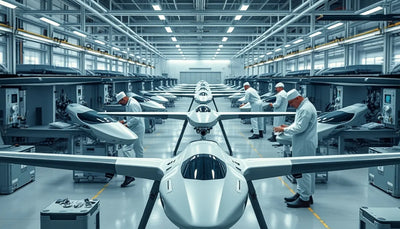
Im Juli bestätigte 6, Kratos Defence & Security Solutions Inc. (NASDAQ:KTOS), dass es seinen Produktionscampus in Oklahoma City um mehr als 106,000 Quadratfuß erweitert. Die Investition zielt auf die steigende Nachfrage nach den strahlgetriebenen unbemannten Flugzeugsystemen des Unternehmens ab – eine Kategorie, die zwischen kleinen Verbraucherdrohnen und bemannten taktischen Jets angesiedelt ist. Für Käufer kommerzieller Drohnen, Flottenbetreiber und diejenigen, die den Gebrauchtmarkt verfolgen, bietet dieser Schritt ein nützliches Signal darüber, wohin Verteidigungsgelder fließen und was in den kommenden Jahren auf dem Sekundärmarkt verfügbar sein könnte.
Kratos konzentriert sich seit langem auf schnelle, strahlgetriebene Drohnen, die für Zielübungen, Aufklärung und Angriffsmissionen konzipiert sind. Die Erweiterung vergrößert den Produktionsstandort erheblich und deutet darauf hin, dass das Unternehmen anhaltende Aufträge vom US-Verteidigungsministerium und verbündeten Nationen erwartet. Während sich diese Nachricht auf Verteidigungsanwendungen konzentriert, spiegeln die zugrunde liegenden Fertigungstrends – Kapazitätserweiterung, Plattform-Upgrades und die eventuelle Stilllegung älterer Systeme – Muster wider, die jedes Segment des Marktes für unbemannte Luftfahrt betreffen.
Skalierung der Produktion für strahlbetriebene unbemannte Systeme
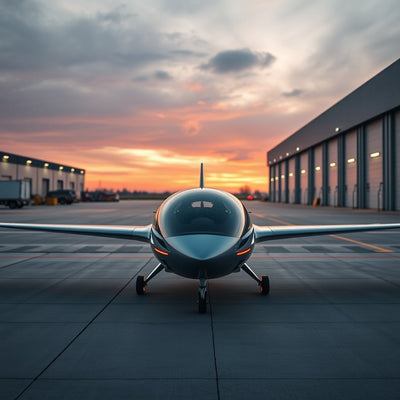
Die 106,000-Quadratfuß-Erweiterung des Kratos-Campus in Oklahoma City ist kein kleiner Schritt. Dabei handelt es sich um die Art der Kapazitätserweiterung, die normalerweise mit einem großen Beschaffungsprogramm oder einer Reihe langfristiger Verträge einhergeht. Kratos produziert bereits Systeme wie das BQM-177A (ein Unterschall-Luftziel) und das XQ-58A Valkyrie (ein düsengetriebener Loyal-Wingman-Demonstrator). Der neue Raum wird wahrscheinlich die Produktion größerer Stückzahlen dieser Designs oder ihrer Nachfolger ermöglichen.
Fleet readiness
Keep DJI hardware available without overbuying new units.
Use defense and fleet news as a planning signal for repair support, inspected pre-owned aircraft, and replacement timing.

Was bedeutet das für die Drohnenindustrie insgesamt? Erstens erfordert die Großserienfertigung unbemannter Flugzeuge mit Düsenantrieb eine Lieferkette für Spezialteile – Turbinentriebwerke, hochfeste Verbundwerkstoffe, fortschrittliche Avionik und sichere Datenverbindungen. Da Kratos das Produktionsvolumen steigert, werden die Zulieferer zwangsläufig ihre eigene Kapazität erhöhen. Im Laufe der Zeit könnten einige dieser Funktionen Eingang in kommerzielle Drohnen oder High-End-Unternehmensdrohnen finden, insbesondere wenn die Technologie ausgereifter wird und die Kosten sinken.
Zweitens wechseln Verteidigungsunternehmen wie Kratos häufig ihre Produktlinien. Ältere Modelle, die nicht mehr an vorderster Front eingesetzt werden, werden möglicherweise als Überschuss deklariert, an alliierte Nationen verkauft oder erscheinen schließlich auf dem Gebrauchtmarkt. Derzeit handelt es sich bei den strahlgetriebenen Drohnen von Kratos um streng kontrollierte Militärgüter, aber die Ausweitung der Produktion deutet darauf hin, dass innerhalb weniger Jahre einige untergeordnete Systeme freigegeben oder für begrenzte kommerzielle oder Trainingszwecke freigegeben werden könnten.
Was das für Drohnenkäufer bedeutet
Für Käufer kommerzieller Drohnen – ob kleine Betreiber oder große Unternehmensflotten – mag ein Anstieg der verteidigungsorientierten Produktion in weiter Ferne erscheinen, hat aber praktische Auswirkungen. Am unmittelbarsten ist der Wettbewerb um Talente und Komponenten. Wenn große Verteidigungsprogramme Ingenieurstunden und Rohstoffe verbrauchen, können die Preise für Premium-Elektronik und Verbundwerkstoffe steigen. Für Käufer kommerzieller Drohnen kann es zu längeren Lieferzeiten für bestimmte High-End-Komponenten kommen, insbesondere für solche, die mit militärischen Lieferketten geteilt werden (z. B. hochauflösende EO/IR-Sensoren, sichere Funkgeräte oder Spezialbatterien).
Wenn Rüstungsunternehmen andererseits in Produktionslinien investieren, verteilen sich ihre Fixkosten auf größere Mengen. Dies kann letztendlich die Stückkosten bestimmter Technologien senken und sie für kommerzielle Drohnen zugänglich machen. Beispielsweise könnte die Art von robustem Flugzeugzellendesign und redundanten Flugsteuerungen, die in Kratos‘ Zieldrohnen zu finden sind, irgendwann in industriellen UAVs zum Einsatz kommen, die zur Pipeline-Inspektion, zur landwirtschaftlichen Überwachung oder zur Brandbekämpfung eingesetzt werden.
Ein konkreter Schritt, den Käufer jetzt unternehmen können, besteht darin, verteidigungsbezogene Ankündigungen auf Anzeichen von Technologie-Spillover zu überwachen. Wenn Kratos oder ähnliche Firmen später ein kommerzielles Spin-off oder eine Zusammenarbeit mit einem etablierten Hersteller von Unternehmensdrohnen ankündigen, könnte dies eine Gelegenheit bedeuten, neue Fähigkeiten auf dem Markt zu erwerben, ohne sich auf ein volles Verteidigungsbudget festzulegen. In der Zwischenzeit konzentriert man sich auf bewährte, leicht verfügbare Plattformen – wie z Gebrauchte DJI-Drohnen für Routineeinsätze – bleibt eine kostengünstige Strategie, während die Branche auf die Einführung der Hardware der nächsten Generation wartet.
Auswirkungen auf den Flottenbetrieb und die Reparaturdienste
Reboot Hub-Analyse: Flottenbetreiber und Reparaturdienstleister können die Kratos-Erweiterung als Hinweis darauf lesen, wie schnell sich das gesamte Drohnen-Ökosystem weiterentwickelt. Wenn ein großer Hersteller expandiert, investiert er in der Regel auch in den Aftermarket-Support und den Ersatzteilbestand. Kratos hat seine Reparaturservicepläne für den Standort Oklahoma City nicht öffentlich detailliert dargelegt, aber jede Ausweitung der Produktion wird wahrscheinlich mit einer parallelen Erweiterung der Wartungskapazitäten auf Depotebene einhergehen. Dadurch könnte ein Markt für OEM-autorisierte Reparatureinrichtungen entstehen, insbesondere für Drohnen militärischer Herkunft, die später in zivile Hände gelangen.
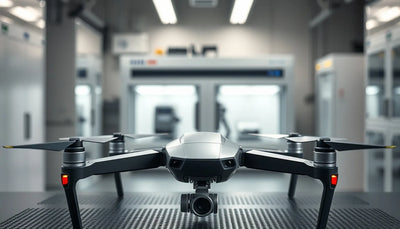
Für kommerzielle Drohnen-Reparaturwerkstätten besteht die wichtigste Erkenntnis darin, dass die Nachfrage nach Reparaturkompetenz auf diesen Plattformen steigen wird, wenn militärische Systeme ausgereift sind und schließlich überflüssig werden. Techniker, die sowohl auf kommerziellen Systemen (wie DJI Matrice oder Mavic-Plattformen) als auch auf Flugzeugzellen aus der Verteidigungsindustrie geschult sind, könnten sehr wertvoll sein. Flottenmanager sollten darüber nachdenken, ob sie eigene Reparaturkapazitäten aufbauen oder auf externe Reparaturen zurückgreifen professionelle DJI Reparaturdienste für ihre aktuellen Flotten und behalten gleichzeitig die Möglichkeit im Auge, dass zukünftige Drohnentypen möglicherweise eine spezielle Wartungsschulung erfordern.
Darüber hinaus deutet die Erweiterung darauf hin, dass Kratos diese Jets voraussichtlich noch viele Jahre lang im Einsatz halten wird. Das bedeutet in der Regel, dass gezogene OEM-Ersatzteile in größeren Mengen produziert werden und schließlich möglicherweise für Drittreparaturbetriebe verfügbar sind. Allerdings unterliegen die meisten Kratos-Komponenten vorerst weiterhin den Beschränkungen ITAR (International Traffic in Arms Regulations), sodass nur in den USA ansässige Betreiber mit entsprechenden Genehmigungen darauf zugreifen können. Gewerbliche Reparaturunternehmen sollten nicht davon ausgehen, dass sie einfachen Zugang zu diesen Teilen haben, es sei denn, die Drohnen sind ausdrücklich für den Export freigegeben.
Überlegungen zum Gebraucht- und Gebrauchtmarkt
Der Markt für gebrauchte Drohnen wird von einer einfachen Dynamik angetrieben: Neue Hardware verdrängt ältere Hardware. Wenn ein Hersteller wie Kratos 106,000 Quadratmeter Produktionskapazität in Betrieb nimmt, kann man darauf wetten, dass die Nachfrage die neue Produktion absorbieren wird. Dies führt häufig zu einer beschleunigten Ausmusterung früherer Flugzeugmodelle. Für Militärdrohnen bedeutet der Ruhestand nicht immer Zerstörung. Einige werden an alliierte Nationen transferiert, einige werden für die Ausbildung verwendet und einige werden entmilitarisiert und als Überschuss verkauft.
Gewerbliche Betreiber, die geduldig sind, finden möglicherweise Möglichkeiten, gebrauchte Zieldrohnen oder Aufklärungsdrohnen zu erwerben, denen die empfindliche Elektronik entzogen wurde. Solche Flugzeugzellen können für Reichweitensicherheit, Flugtestunterstützung oder fortgeschrittene Forschung umfunktioniert werden. Der Vorbehalt besteht darin, dass sie in der Regel umfangreiche Umgestaltungen erfordern, um den zivilen Luftraumvorschriften zu entsprechen und nichtmilitärische Nutzlasten aufzunehmen.
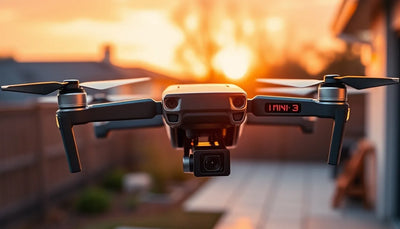
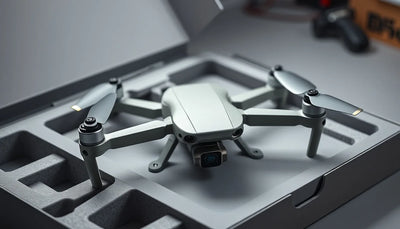
Für den Mainstream-Gebrauchtmarkt DJI hat die Kratos-Erweiterung eher indirekte Auswirkungen. Da die Verteidigungsausgaben steigen, könnten sich einige Regierungs- und Unternehmensbudgets, die möglicherweise für kommerzielle Drohnen der Spitzenklasse bereitgestellt wurden, auf inländische Verteidigungslieferanten verlagern. Dies könnte das Angebot an neuen DJI enterprise-Drohnen in bestimmten Regionen verknappen, was möglicherweise die Preise für neue Einheiten erhöhen und die Nachfrage nach geprüften gebrauchten DJI-Drohnen steigern könnte. Käufer, die hinsichtlich ihres Beschaffungszeitplans flexibel sind, könnten von einer Beratung profitieren Leitfaden zur Drohnen-Inzahlungnahme um den richtigen Zeitpunkt für die Aufrüstung oder den Austausch vorhandener Geräte zu ermitteln.
Letztendlich ist die Kratos-Erweiterung eine Erinnerung daran, dass das Drohnen-Ökosystem miteinander verbunden ist: Entscheidungen zur Verteidigungsherstellung wirken sich auf die Komponentenversorgung, die Verfügbarkeit von Reparaturkompetenz sowie auf den Zeitpunkt und die Preise gebrauchter Flugzeuge aus. Betreiber, die diese Signale verfolgen, können intelligentere Flottenplanungs- und Kaufentscheidungen treffen.
Wie wirkt sich die Expansion von Kratos direkt auf Drohnenkäufer in 2026 aus?
Kurzfristig sollten Käufer aufgrund der militärischen Nachfrage nach ähnlichen Teilen mit einem gewissen Druck auf die Preise und Lieferzeiten für fortgeschrittene Komponenten rechnen. Es werden keine unmittelbaren kommerziellen Produkte von Kratos erwartet, aber die Expansion deutet auf steigende Verteidigungsinvestitionen in unbemannte Systeme hin, die letztendlich Chancen auf dem Sekundärmarkt schaffen könnten.
Wird diese Erweiterung den Preis für gebrauchte Drohnen senken?
Potenziell, aber nur für militärische Systeme, nicht für typische DJI-Verbraucher- oder Unternehmensmodelle. Da Kratos die Produktion beschleunigt, könnten ältere Zieldrohnen überflüssig werden und für eine begrenzte zivile Nutzung entmilitarisiert werden, was dem Markt für gebrauchte Drohnen eine neue Kategorie hinzufügen könnte.
Was sollte ein Flottenmanager nach der Lektüre dieser Nachricht anders machen?
Überprüfen Sie die Komponentenabhängigkeit Ihrer Flotte von gemeinsam genutzten Teilen in Militärqualität und erwägen Sie den Aufbau einer Beziehung mit einem Reparaturanbieter, der sowohl kommerzielle als auch verteidigungstechnische Flugzeugzellen handhaben kann. Achten Sie auch auf zukünftige Ankündigungen von Kratos hinsichtlich kommerzieller Spin-offs, die erweiterte Funktionen bieten könnten.
Konsultierte Quellen
- Yahoo Finance market report - primary source
Zum Zeitpunkt der Veröffentlichung waren keine weiteren offiziellen Dokumentationen verfügbar.
Die Redaktion von Reboot Hub liefert Käufer-, Reparatur-, Wiederverkaufs- und Betriebsanalysen für Drohnenbesitzer. Sollten Sie einen Fehler finden, kontaktieren Sie uns für eine Korrekturprüfung gemäß unseren Redaktionsrichtlinien.