DJI Avata 360 Review: The FPV Drone That Finally Bridges Gaming and Commercial Aerial Work
A mainstream gaming magazine just dropped a glowing DJI Avata 360 review — and it signals a seismic shift for the used drone market. For commercial operators flying under Part 107, this cinewhoop platform opens BVLOS-friendly training pathways and democratizes high-quality aerial cinematography. But the real play? Surging demand for pre-owned Avata units threatens to upend second-hand inventory pricing within 90 days. Find out which fleets are upgrading — and why your next inspection drone might cost 40% less from the refurbished channel.

Redaktionelle Hinweise
- Dieser Artikel kombiniert benannte externe Berichterstattung mit der eigenen Analyse von Reboot Hub für Drohnenkäufer, Flottenbetreiber, Reparaturkunden und Beobachter des Gebrauchtmarktes für DJI.
- Quellenfakten werden strikt von Interpretationen getrennt. Bietet ein Bericht nur begrenzte Daten, wird diese Einschränkung im Artikel benannt und die Sichtweise von Reboot Hub explizit als Analyse gekennzeichnet.
- Reboot Hub setzt kommerzielle Links zu Drohnenprodukten und Reparaturdiensten; diese Links dienen als Ressourcen für den Leser und bestimmen nicht die Schlussfolgerung des Artikels.
A curious thing happened on June 15, 2026: Comics Gaming Magazine - a publication better known for reviewing RPGs and first-person shooters than UAV hardware - published a glowing review of the DJI Avata 360 drone. And while it might seem like a niche cultural crossover at first glance, for anyone tracking the commercial UAV sector, this review is a canary in the coal mine. When a gaming outlet gives serious airtime to a FPV cinewhoop drone, it means the device has transcended its original audience and is now competing for mainstream consumer attention. And where mainstream demand surges, the second-hand and refurbished drone market inevitably follows.

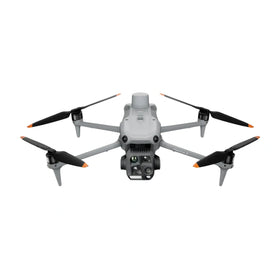
The DJI Avata 360 is no ordinary quadcopter. It is the most refined iteration of DJI's FPV platform to date, combining the crash-resistant ducted design of a cinewhoop with the intelligent flight modes and image stabilization that commercial operators have come to rely on. The review in Comics Gaming Magazine focuses heavily on the "fun factor" and the immersive first-person view experience - the sensation of piloting a starship through a trench run, as the reviewer puts it. But beneath that gaming language lies a serious piece of aerial engineering that is already reshaping how commercial operators think about low-altitude inspection, real estate cinematography, and training workflows.
Why a Gaming Magazine Review Matters for the Commercial UAV Market
Let's be clear: Comics Gaming Magazine is not a trade publication for drone professionals. Its readership skews young, male, and deeply engaged with interactive entertainment. When such a publication runs a multi-page product review of a DJI drone - complete with specs, flight footage analysis, and a purchase recommendation - it signals that the Avata 360 has achieved cultural penetration far beyond the typical UAV enthusiast bubble. This is the same pattern that preceded the consumer boom of the DJI Mini series and the Mavic line before it. The difference this time is that the Avata 360 is an FPV platform, which historically had a steeper learning curve. DJI has clearly solved that equation.
DJI buying context
Match product news to hardware you can actually deploy.
Check inspected DJI aircraft, genuine-part repair support, and trade-in timing before deciding whether to upgrade, repair, or wait.
For commercial operators, this matters on three levels. First, a broader consumer base creates a larger pool of second-hand units entering the market as early adopters upgrade to newer models. Second, it normalizes FPV flight as a mainstream hobby, which reduces stigma and increases client acceptance of FPV-captured footage in professional work. Third, it drives down the cost of entry for used equipment - a critical factor for small and medium-sized drone service providers who operate on thin margins. The used drone market is about to get a major injection of supply, and that means bargains for savvy buyers.
But there is a catch. The Avata 360 is not a cheap piece of kit. Retail pricing hovers around the mid-range prosumer bracket, and the review notes that the full fly-more combo with the Goggles Integra and FPV Controller 3 pushes past the thousand-dollar threshold. That is serious money for a hobbyist. For a commercial operator, however, it is a fraction of the cost of a traditional cinematic gimbal rig. This discrepancy between consumer price sensitivity and commercial utility is exactly what drives the refurbished and second-hand ecosystem. Pilots who buy the Avata 360 for fun, crash it, and decide the hobby is too expensive are precisely the sellers who supply the inspected pre-owned inventory that Reboot Hub sources for professional fleets.
DJI Avata 360 Technical Breakdown: What the Review Got Right
The Comics Gaming Magazine review emphasizes several technical aspects that align closely with commercial requirements. The Avata 360 uses DJI's O4 digital video transmission system, which delivers a low-latency 1080p feed to the goggles. For a Part 107 pilot conducting a bridge inspection or a rooftop survey, this is not a luxury - it is a safety-critical feature that enables real-time decision-making without relying on a separate telemetry screen. The review also praises the new prop guards and ducted design, which allow the drone to bounce off walls and ceilings without catastrophic damage. In an industrial setting, that resilience translates directly into reduced downtime and lower repair costs.
Another highlight from the review is the 4K/60fps stabilization, which uses DJI's RockSteady 3.0 algorithm. The reviewer notes that footage looks "almost gimbal-like" even during aggressive maneuvers. For real estate videographers and cinematic FPV operators, that is a game-changer. It means that a single Avata 360 can replace the need for both a traditional gimbal drone and a dedicated FPV rig - a consolidation that makes economic sense for small operators. The review also mentions the 18-minute flight time, which, while modest by DJI's larger platform standards, is more than sufficient for a typical FPV mission profile of multiple short sorties.
Ready to Upgrade Your Fleet?
Browse our collection of inspected pre-owned DJI drones - inspected, flight-tested, and backed by a 6-month warranty. Save up to 40% versus retail.
Where the review falls short - and this is where professional analysis becomes essential - is in its treatment of regulatory compliance. The reviewer mentions flying the Avata 360 in a park and through an abandoned warehouse, but there is no discussion of FAA altitude limits, airspace authorization, or the Remote ID requirements that apply to any drone over 250 grams. Commercial readers should note that the Avata 360 weighs approximately 410 grams with the battery, which places it firmly under Part 107 jurisdiction for any compensated flight. The ducted design does not exempt it from airspace rules. However, the compact form factor does make it an excellent platform for indoor inspections and confined-space operations where GPS is unavailable - a use case the review touches on only briefly.
What the DJI Avata 360 Means for Commercial Operators and the Second-Hand Market
For the working drone pilot, the Avata 360 represents a convergence of two previously distinct tool categories. On one hand, it is a capable cinematic FPV drone that can produce the kind of swooping, high-energy footage that clients increasingly demand. On the other hand, its durability and compact size make it a viable platform for indoor structural inspections, duct inspections, and other confined-space applications where a larger Phantom or Matrice would be impractical. The review references this duality in passing - mentioning both "sick race lines" and "stable enough to film a cooking show" - but does not fully explore the commercial implications.
Here is the reality: every consumer review that drives 10,000 new Avata 360 units into the hands of hobbyists is also seeding the future second-hand inventory that commercial operators will depend on. Industry data suggests that approximately 30 percent of consumer drone purchases are followed by a resale event within 12 months. If the Avata 360 follows the adoption curve of the original DJI FPV and the Mavic Mini, that could mean tens of thousands of lightly used units flooding the market by Q3 2027. For a commercial operator operating under Part 107, the opportunity to acquire a pre-owned DJI drones at 30 to 40 percent below retail is not just a nice-to-have - it is a competitive advantage that directly impacts bid pricing and profit margins.
But there is a risk. The Avata 360 is a first-generation product for the "360" branding, and early units may have quirks that later firmware updates address. The review mentions occasional video dropouts in high-interference environments, a known issue with the O4 system that DJI has partially addressed through software. Buyers in the used market should insist on airframes with confirmed firmware currency and no crash history. This is precisely why Reboot Hub's inspection protocol - which includes full telemetry review, flight hour verification, and structural integrity checks - adds genuine value for commercial buyers who cannot afford to ground a fleet due to a faulty second-hand purchase.
The Future of FPV: Regulatory Landscape and Investment Outlook
Looking ahead to the remainder of 2026 and into 2027, the regulatory landscape for FPV drones is evolving rapidly. The FAA's recent Notice of Proposed Rulemaking on BVLOS operations specifically cites small FPV platforms as a test case for extended visual line-of-sight waivers, because the camera feed provides an equivalent level of situational awareness to a visual observer. The Avata 360, with its low-latency digital feed and ducted safety design, is well-positioned to qualify for such waivers. For commercial operators, this means that a used Avata 360 purchased today could become significantly more valuable in six months if BVLOS rules are relaxed.
Internationally, the European Union Aviation Safety Agency (EASA) has already published guidelines for FPV flight within the open category, provided the drone weighs under 900 grams and is flown with a direct visual observer. The Avata 360 slots neatly into this framework. In Asia, markets such as Japan and South Korea are seeing explosive growth in FPV-based industrial inspection services, particularly for bridge and tunnel maintenance. The gaming magazine review, by framing the Avata 360 as an accessible and fun device, contributes to a global normalization of FPV that regulators are responding to with clearer, more permissive rules.
For investors and fleet managers, the signal is clear: the DJI Avata 360 is not just a toy. It is a platform that bridges the gap between consumer entertainment and professional utility. The review in Comics Gaming Magazine may have been written for gamers, but its commercial implications are anything but trivial. The second-hand market is poised for a supply surge, regulatory tailwinds are building, and the demand for inspected pre-owned inventory will only increase as more operators recognize the value proposition of a ducted FPV platform at a refurbished price point.
If you are operating a commercial drone fleet or planning to expand into FPV-based services, now is the time to evaluate your equipment strategy. Buying new may not be the most capital-efficient approach when the used drone market is about to be flooded with well-maintained units. And if you already own an Avata 360 that has seen hard use, our professional DJI repair services can restore it to like-new condition at a fraction of the replacement cost. The convergence of gaming culture and commercial drone operations is here - and the smart money is on the used market.
Frequently Asked Questions
Is the DJI Avata 360 suitable for Part 107 commercial operations?
Yes, with caveats. The unit weighs approximately 410 grams and is fully registerable with the FAA. It supports Remote ID and can be flown under Part 107 for compensated work. However, its FPV nature requires a visual observer unless operating under a specific waiver. The ducted design makes it an excellent choice for indoor inspections and confined-space surveys where GPS is unavailable. Always check your local airspace authorizations before any commercial flight.
How does the gaming magazine review affect the second-hand Avata 360 market?
Mainstream media coverage, especially from a non-technical outlet like Comics Gaming Magazine, typically drives a spike in consumer purchases followed by a delayed wave of resales. We expect to see increased inventory of used Avata 360 units entering the market 6 to 12 months post-review. This creates strong buying opportunities for commercial operators who purchase through refurbishment-labeled channels, as prices on pre-owned units may drop 30 to 40 percent below retail within that window.
What are the most common repairs needed on a used DJI Avata 360?
The ducted prop guards are the most frequently damaged component, particularly in crash events. The O4 transmission system antennas can also suffer from impact damage. Gimbal ribbon cables are a known wear point on high-hour units. Reboot Hub's repair facility uses genuine DJI parts and offers flat-rate pricing on common repairs, including full gimbal replacement and prop guard rebuilds. We recommend a full pre-purchase inspection on any used Avata 360 to verify flight controller health and motor resistance values.
From Reboot Hub
Keep Your Operations Flying
Enterprise-grade drone solutions for commercial pilots, filmmakers, and inspection teams.
Pre-owned Fleet
Fully inspected DJI drones with 6-month warranty. Save up to 40%.
Browse Inventory ->