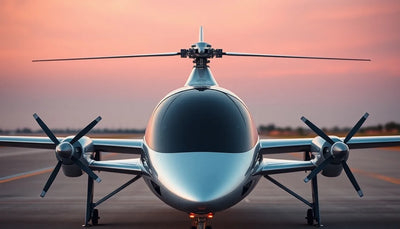
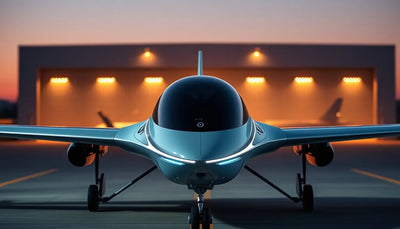
Dassault und Harmattan AI testen NAMIB EW Nutzlast auf drohnengestütztem Rafale
Dassault Aviation und Harmattan AI testeten die elektronische Kriegsführungsnutzlast NAMIB in einer von Drohnen unterstützten Rafale-Mission F4. Der Versuch signalisiert eine zunehmende Integration von UAVs mit fortschrittlichen Kampfplattformen und modularen EW-Systemen.

Die Integration unbemannter Systeme mit fortschrittlichen Kampfjets beschleunigt sich. Im Juli gaben 14, 2026, Dassault Aviation und Harmattan AI bekannt, dass sie einen Live-Test der elektronischen Kriegsführungsnutzlast NAMIB in einer Rafale-Mission F4 durchgeführt haben, der von Drohnen unterstützt wurde. Der von Defence Industry Europe gemeldete Versuch zeigt, wie die Technologie der elektronischen Kriegsführung modularer wird und sowohl auf bemannten als auch auf unbemannten Plattformen eingesetzt werden kann. Für kommerzielle Drohnenbetreiber und Käufer von Verteidigungsgütern bietet diese Entwicklung gleichermaßen Einblicke in die Zukunft der Gegenelektronik und Nutzlastinteroperabilität.
Der Test: NAMIB-Nutzlast und drohnengestützte Rafale-Operationen
Die von Harmattan AI in Zusammenarbeit mit Dassault entwickelte Nutzlast NAMIB ist ein elektronisches Kriegsführungssystem, das für den flexiblen Einsatz konzipiert ist. Im Versuch führte der Rafale F4 seine Mission durch, während Drohnen Unterstützung leisteten, wahrscheinlich durch die Rolle von Sensorik, Täuschmitteln oder Kommunikationsrelais. Die Quelle weist darauf hin, dass der Test unter realen Betriebsbedingungen durchgeführt wurde, spezifische technische Details wie Frequenzbänder, Störleistung oder Reichweite wurden jedoch nicht bekannt gegeben. Dieser Grad an Modularität ermöglicht den Austausch desselben EW-Kerns zwischen verschiedenen Flugzeugzellen – ein Konzept, das direkt auf den kommerziellen Drohnenmarkt übertragbar ist, wo der Nutzlastaustausch bereits ein Schlüsselmerkmal von Unternehmensplattformen wie der Matrice-Serie ist.
Was das für Drohnenkäufer bedeutet
Für Käufer von Unternehmens- und Verteidigungsdrohnen unterstreicht der NAMIB-Test den Wert von Nutzlastsystemen mit offener Architektur. Wenn Sie eine Drohne für die elektronische Kriegsführung, Überwachung oder Signalaufklärung kaufen, sollten Sie Plattformen priorisieren, die den Austausch oder die Aufrüstung von Nutzlasten ermöglichen, ohne dass ein vollständiger Austausch der Flugzeugzelle erforderlich ist. Die Fähigkeit des Rafale F4, mit Drohnenunterstützung zu arbeiten, deutet auch auf ein zukünftiges bemanntes und unbemanntes Teaming hin, das auf kommerzielle Sektoren wie Landwirtschaft, Inspektion oder öffentliche Sicherheit durchdringen könnte. Darüber hinaus erhöht die zunehmende Präsenz von EW-Nutzlasten bei militärischen Einsätzen die Wahrscheinlichkeit, dass zivile Drohnenbetreiber im kontrollierten Luftraum auf Gegensysteme zur elektronischen Kriegsführung UAS stoßen. Flottenmanager sollten darüber nachdenken, ihre Flugzeuge mit Anti-Jamming-Modulen oder gehärteten GNSS-Empfängern auszustatten. Eine konkrete Erkenntnis: Wenn Sie den Kauf einer Drohne prüfen, fragen Sie, ob der Hersteller eine Nutzlastschnittstelle anbietet, die mit Systemen zur elektronischen Kriegsführung von Drittanbietern kompatibel ist – auch wenn Sie EW heute nicht benötigen, um Ihre Investition zukunftssicher zu machen.
Fleet readiness
Keep DJI hardware available without overbuying new units.
Use defense and fleet news as a planning signal for repair support, inspected pre-owned aircraft, and replacement timing.

Praktische Implikationen für Flottenbetreiber und Reparaturkunden
Betreiber mittlerer bis großer Drohnenflotten sollten den Trend zu modularen elektronischen Systemen beachten. Die Nutzlast NAMIB kann sowohl an bemannten Kampfflugzeugen als auch an unterstützenden Drohnen angebracht werden, was bedeutet, dass Wartungs- und Reparaturabläufe empfindliche RF-Komponenten berücksichtigen müssen. Für Reparaturkunden unterstreicht dies die Bedeutung der Nutzung professionelle DJI Reparaturdienste Verwenden Sie Original-OEM-Ersatzteile, wenn Sie mit Elektronik arbeiten, die Abschirmung und Signalintegrität aufrechterhalten muss. Eine schlecht reparierte Antenne oder ein schlecht reparierter Erdungspunkt können die Wirksamkeit des EW beeinträchtigen oder die Drohne Störungen aussetzen. Der Rafale-Test zeigt auch, dass drohnengestützte Missionen robuste Datenverbindungen und Energiemanagement erfordern – zwei Bereiche, in denen nachträgliche Modifikationen häufig zu Fehlern führen. Flottenbetreiber sollten eine regelmäßige Inspektion der Nutzlastbefestigungspunkte und RF-Anschlüsse einplanen, insbesondere wenn die Drohne in Umgebungen mit hohen Interferenzen eingesetzt wird.
Der gebrauchte DJI-Markt und Spillover für Verteidigungstechnologie
Während die Nutzlast NAMIB fest im Verteidigungsbereich angesiedelt ist, beeinflusst ihre Designphilosophie modularer, drohnenkompatibler EW-Systeme den breiteren unbemannten Markt. Militärische Tests solcher Nutzlasten führen oft dazu, dass nach einigen Jahren ausgemusterte oder überschüssige Ausrüstung auf den Gebrauchtmarkt gelangt. Für Käufer von Gebrauchte DJI-DrohnenDies bedeutet, dass die ursprünglich für die Verteidigung entwickelte Technologie EW Eingang in kommerzielle Gegen-UAS- oder Spektrumüberwachungsprodukte finden kann. Darüber hinaus steigt die Nachfrage nach neueren, leistungsfähigeren Plattformen, da Militärs zunehmend drohnengestützte Missionen durchführen, was zu sinkenden Preisen für ältere Modelle auf dem Gebrauchtmarkt führt.
| Faktor | Auswirkungen auf den Gebrauchtmarkt |
|---|---|
| Militärische Einführung des drohnengestützten EW | Erhöhte Nachfrage nach modularen, nutzlastbereiten Drohnen |
| Überschüssige EW-Nutzlasten | Potenzielle Verfügbarkeit gebrauchter Ausrüstung für die elektronische Kriegsführung |
| Plattform-Upgrades | Reduziert den Wiederverkaufswert früherer Drohnengenerationen |
Wenn Sie planen, Ihre aktuelle Drohne zu verkaufen oder einzutauschen, um sie aufzurüsten, konsultieren Sie die Leitfaden zur Drohnen-Inzahlungnahme um zu verstehen, wie sich ein Spillover von Militärtechnologie auf die Restwerte auswirken könnte. Der Rafale-Test ist eine Erinnerung daran, dass Verteidigungsanforderungen ein starker Treiber für Drohnen-Innovationen sind und dass diese Innovationen auf dem Markt für Gebrauchtfahrzeuge häufig für kommerzielle Betreiber zu geringeren Kosten zugänglich sind.
Was ist die Nutzlast der elektronischen Kriegsführung NAMIB?
Das NAMIB ist ein modulares elektronisches Kriegsführungssystem, das gemeinsam von Harmattan AI und Dassault Aviation entwickelt wurde. Es ist so konzipiert, dass es sowohl von bemannten Kampfflugzeugen wie dem Rafale F4 als auch von unterstützenden Drohnen getragen werden kann, was den flexiblen Einsatz von Stör-, Täuschungs- und elektronischen Angriffsfähigkeiten ermöglicht.
Welche Auswirkungen hat dieser Test auf kommerzielle Drohnenbetreiber?
Obwohl der Test militärspezifisch ist, signalisiert er, dass die modularen EW-Nutzlasten ausgereift und in Drohnen integrierbar sind. Kommerzielle Betreiber stoßen möglicherweise auf eine ähnliche Technologie in Abwehrsystemen und sollten darüber nachdenken, ihre Drohnen gegen elektronische Bedrohungen zu härten. Es validiert auch das Konzept drohnengestützter Missionen, die auf zivile Anwendungen wie Relaiskommunikation oder Lufterfassung ausgeweitet werden könnten.
Muss ich mir Sorgen machen, dass meine Privatdrohne von elektronischer Kriegsführung betroffen sein könnte?
In den meisten zivilen Lufträumen werden militärische EW-Tests in getrennten Bereichen durchgeführt. Die zunehmende Verbreitung von EW-Systemen zur Drohnenabwehr führt jedoch dazu, dass es bei Hobby- und kommerziellen Flügen in der Nähe von Flughäfen, kritischen Infrastrukturen oder Militärgebieten zu GNSS- oder Kontrollverbindungsstörungen kommen kann. Der Einsatz von Drohnen mit robusten Flugsteuerungen und Hilfssensoren kann das Risiko mindern. Überprüfen Sie immer die lokalen NOTAMs und arbeiten Sie mit einem manuellen Backup-Steuerungsmodus.
Konsultierte Quellen
- AeroVironment unmanned systems solutions - official company source
- DIU Blue UAS - official government source
Die Redaktion von Reboot Hub liefert Käufer-, Reparatur-, Wiederverkaufs- und Betriebsanalysen für Drohnenbesitzer. Sollten Sie einen Fehler finden, kontaktieren Sie uns für eine Korrekturprüfung gemäß unseren Redaktionsrichtlinien.