Archer Aviation Stock: The $1 Trillion eVTOL Opportunity That Could Make Millionaires
Archer Aviation’s stock is surging on a $1 trillion total addressable market, but for commercial drone operators and Part 107 pilots, the real disruption is in the airspace integration. As Archer’s Midnight eVTOL targets FAA certification by 2027, the implications for BVLOS routes, UTM infrastructure, and second-hand drone fleet valuations are immediate. Is this a speculative bubble or the dawn of a new era in urban air mobility? Reboot Hub analyzes the financial stakes and the hardware reality.

Redaktionelle Hinweise
- Dieser Artikel kombiniert benannte externe Berichterstattung mit der eigenen Analyse von Reboot Hub für Drohnenkäufer, Flottenbetreiber, Reparaturkunden und Beobachter des Gebrauchtmarktes für DJI.
- Quellenfakten werden strikt von Interpretationen getrennt. Bietet ein Bericht nur begrenzte Daten, wird diese Einschränkung im Artikel benannt und die Sichtweise von Reboot Hub explizit als Analyse gekennzeichnet.
- Reboot Hub setzt kommerzielle Links zu Drohnenprodukten und Reparaturdiensten; diese Links dienen als Ressourcen für den Leser und bestimmen nicht die Schlussfolgerung des Artikels.
On May 31, 2026, the financial world is buzzing with a singular, high-stakes question: Is Archer Aviation (NYSE: ACHR) the next millionaire-maker stock? The company, a frontrunner in the electric vertical takeoff and landing (eVTOL) race, has captured the imagination of both Wall Street and the aerospace industry. With a multitrillion-dollar total addressable market (TAM) looming on the horizon, Archer’s narrative is one of explosive growth, technological brinkmanship, and a fundamental reshaping of how we perceive urban mobility. But for the commercial drone industry—the pilots, the fleet managers, the repair shops—this story is not just about stock tickers. It’s about the tangible, disruptive reality of airspace integration, hardware reliability, and the shifting economics of unmanned aviation.
Archer Aviation, headquartered in Santa Clara, California, is developing the Midnight, a piloted eVTOL aircraft designed for rapid, short-haul urban flights. The company’s recent milestones—including a completed transition flight test and a partnership with United Airlines—have propelled its stock into the spotlight. Analysts are projecting a TAM of over $1 trillion by 2040, driven by demand for air taxi services, cargo logistics, and emergency medical transport. However, the path to that valuation is fraught with regulatory hurdles, production scalability challenges, and the looming shadow of competitors like Joby Aviation and Lilium. For the drone community, Archer’s progress (or lack thereof) is a leading indicator of the regulatory and technological environment that will define the next decade of flight.
Decoding the Archer Aviation Financial Thesis
Archer’s stock surge is predicated on a simple, powerful equation: a massive market, a viable product, and a clear path to certification. The company’s Midnight aircraft is a four-passenger, piloted eVTOL with a range of approximately 100 miles and a cruise speed of 150 mph. This positions it for the lucrative “air taxi” market, competing directly with ground-based ride-hailing services in congested urban corridors. The financial thesis rests on three pillars: regulatory approval from the FAA, mass production, and commercial deployment.
Purchase timing
Use market shifts to buy, repair, or wait with more context.
Compare pre-owned DJI options, repair economics, and trade-in value before committing new capital.
As of May 2026, Archer has secured a significant portion of its required funding, including a $110 million equity investment from Stellantis, the automotive giant. This partnership is crucial for scaling manufacturing. The company is also building a factory in Covington, Georgia, with a target of producing up to 650 aircraft per year. However, the timeline for FAA type certification is the single most critical variable. Archer expects to receive its certification by late 2027, but any delays could decimate the stock’s valuation. The “millionaire maker” thesis hinges on early investors catching the wave before the certification milestone is fully priced in.
What Archer’s eVTOL Progress Means for Commercial Drone Operators
For the 300,000+ registered commercial drone operators in the United States, Archer’s trajectory is a double-edged sword. On one hand, the successful integration of eVTOL aircraft into the National Airspace System (NAS) will force the FAA to accelerate the development of Urban Air Mobility (UAM) corridors, advanced air traffic management (ATM), and beyond visual line of sight (BVLOS) regulations. This is a net positive for the drone industry, as it will create a more structured, scalable environment for all unmanned aircraft operations.
On the other hand, the arrival of piloted eVTOL aircraft will introduce new airspace constraints. Drone operators flying under Part 107 may face stricter geofencing, altitude restrictions, and dynamic airspace re-routing to avoid conflicts with high-speed eVTOL traffic. The days of relatively open, low-altitude airspace are numbered. Operators who invest in Remote ID, UTM-compatible hardware, and crewed-uncrewed teaming (C-U2) workflows will be best positioned to thrive in this new paradigm. Those who rely on legacy, non-connected drones may find themselves locked out of the most lucrative urban airspace.
Ready to Upgrade Your Fleet?
Browse our collection of inspected pre-owned DJI drones — inspected, flight-tested, and backed by a 6-month warranty. Save up to 40% versus retail.
The Regulatory and Hardware Reality Check
The eVTOL industry is currently in a “show me” phase. While Archer has demonstrated successful hover and transition flights, the journey from prototype to certified production aircraft is notoriously difficult. The FAA’s certification process for eVTOL aircraft is still evolving, with special conditions and proposed airworthiness criteria being drafted in real-time. Archer’s partnership with United Airlines is a strong vote of confidence, but it does not guarantee regulatory success. The company must demonstrate compliance with stringent safety standards, including crashworthiness, battery thermal runaway prevention, and redundant flight control systems.
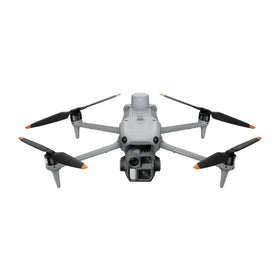
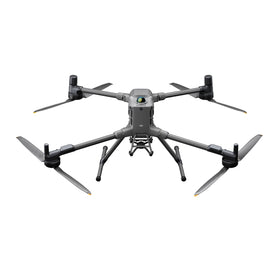
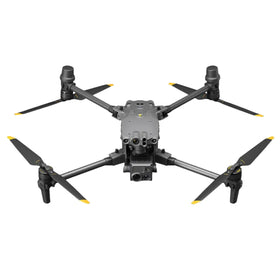
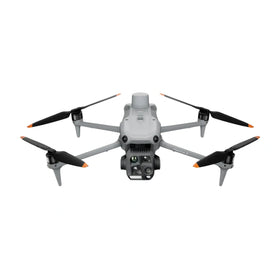
For the second-hand drone market, these developments are a double-edged indicator. On one hand, the increasing sophistication of aerial platforms drives down the cost of entry-level technology. As eVTOL manufacturers push the envelope on battery technology, sensor fusion, and autonomous flight, these innovations trickle down to the commercial drone sector. This means that high-end, used DJI drones like the Matrice 350 RTK or the Mavic 3 Enterprise may depreciate faster as newer, more capable models emerge. On the other hand, the demand for reliable, proven hardware for inspection, surveying, and mapping remains incredibly strong. The used drone market is seeing a surge in interest from operators who want to avoid the high cost of new equipment while maintaining professional-grade performance.
Investment Risks and the Commercial Drone Connection
Investing in Archer stock is not for the faint of heart. The company has yet to generate meaningful revenue, and its path to profitability is years away. The stock is highly volatile, subject to swings based on news of test flights, regulatory filings, and competitor announcements. For the average retail investor, the “millionaire maker” narrative is a powerful lure, but it comes with a clear warning: the majority of pre-revenue aerospace startups fail. The history of aviation is littered with companies that had great technology but could not navigate the certification and production gauntlet.
For commercial drone operators, the connection to Archer is more operational than financial. The company’s success will accelerate the deployment of vertiports, charging infrastructure, and air traffic management systems that will directly benefit drone logistics. Companies like UPS Flight Forward and Zipline are already eyeing eVTOL aircraft for long-range package delivery. This convergence means that drone pilots who are currently flying DJI Phantom 4 RTKs for mapping may soon find themselves operating or maintaining larger, more complex eVTOL platforms. The skills required to maintain these aircraft are a significant upgrade from traditional drone repair. This is where professional DJI repair services become crucial, as the industry shifts toward modular, serviceable designs that require expert handling of high-voltage batteries and advanced avionics.
The Bottom Line: A High-Stakes Bet on the Future of Flight
Archer Aviation represents a generational opportunity, but it is also a high-risk bet on a future that is not guaranteed. The company’s stock is a leveraged play on the successful commercialization of eVTOL technology. For the drone industry, Archer’s journey is a bellwether for the regulatory and technological landscape of the next decade. Whether the stock makes millionaires or breaks portfolios, the underlying shift toward urban air mobility is inevitable. The question for commercial operators is not if, but when, and how they will adapt.
As the FAA finalizes its rules for powered-lift aircraft and UTM systems, the demand for certified, reliable hardware will only increase. Operators who are looking to upgrade their fleets or enter the market should consider the value proposition of pre-owned DJI drones. These aircraft offer a cost-effective way to access professional-grade technology, backed by rigorous inspection and warranty support. The future of flight is being written now, and the smartest operators are hedging their bets with proven hardware.
FAQ: Archer Aviation and the Commercial Drone Market
1. Is Archer Aviation a good long-term investment?
Archer Aviation is a high-risk, high-reward investment. The company has a strong technological foundation and strategic partnerships, but it is pre-revenue and faces significant regulatory and production hurdles. For long-term investors with a high risk tolerance, Archer could be a multi-bagger if it achieves FAA certification and commercial deployment. However, the stock is highly volatile, and investors should be prepared for significant drawdowns. The commercial drone industry will benefit from Archer's success through improved airspace infrastructure, but the stock itself is a speculative bet on the future of urban air mobility.
2. How will Archer's eVTOL aircraft affect commercial drone pilots?
Archer's Midnight aircraft will introduce new airspace constraints for commercial drone pilots. The FAA is expected to establish dedicated UAM corridors for eVTOL traffic, which may restrict drone operations in those areas. Drone pilots will need to invest in Remote ID, UTM-compatible hardware, and dynamic re-routing capabilities to avoid conflicts. On the positive side, the integration of eVTOL aircraft will accelerate the development of BVLOS regulations and advanced air traffic management systems, creating a more structured environment for all unmanned aircraft operations.
3. What is the impact of eVTOL development on the second-hand drone market?
The eVTOL development is driving technological innovation in battery technology, sensor fusion, and autonomous flight systems. These advancements trickle down to the commercial drone sector, making newer models more capable and efficient. This can lead to faster depreciation of older, used drones like the DJI Phantom 4 or Mavic 2 series. However, demand for reliable, proven hardware for inspection, surveying, and mapping remains strong. The second-hand market is seeing a surge in interest from operators who want to avoid the high cost of new equipment while maintaining professional-grade performance. refurbishment-labeled drones offer a cost-effective solution for these operators.
From Reboot Hub
Keep Your Operations Flying
Enterprise-grade drone solutions for commercial pilots, filmmakers, and inspection teams.
Pre-owned Fleet
Fully inspected DJI drones with 6-month warranty. Save up to 40%.
Browse Inventory ->