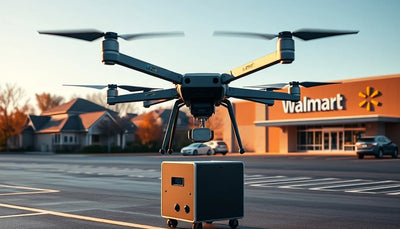
Archer Aviation Headwinds: Co by měli operátoři dronů vědět
Nedávná analýza zdůrazňuje rostoucí rizika pro Archer Aviation. Pro komerční provozovatele dronů a správce flotil nabízejí výzvy, kterým vývojáři eVTOL čelí, lekce z načasování trhu, regulace a plánování aktiv.

Nedávná analýza Archer Aviation (NYSE: ACHR) zveřejněná v červenci 11, 2026, vykresluje opatrný obrázek pro vývojáře elektrického vertikálního vzletu a přistání (eVTOL). Zpráva, kterou nese společnost Yahoo Finance, naznačuje, že rizika stále převažují nad potenciálními odměnami pro společnost, i když tlačí na komerční provoz aerotaxi. Toto hodnocení přichází v době, kdy širší sektor pokročilé letecké mobility čelí intenzivní kontrole financování, harmonogramů certifikace a připravenosti veřejné infrastruktury.
Pro čtenáře Reboot Hub – ať už spravujete flotilu podnikových dronů, využíváte používané platformy DJI pro kontrolní práce nebo provozujete opravnu spoléhající na originální náhradní díly OEM – příběh Archer není izolovaným příběhem. Stejné tržní síly, které ovlivňují vývojáře eVTOL, se šíří celým bezpilotním a autonomním leteckým ekosystémem. Pochopení těchto protivětrů vám pomůže lépe se rozhodnout, kdy investovat do nového vybavení, jak ocenit použité draky a kam zaměřit peníze na údržbu flotily.
Co odhalila Archerova analýza
Zdrojový článek poukazuje na několik konkrétních výzev, kterým Archer čelí. Za prvé, společnost pokračuje ve vysokém tempu spalování hotovosti, zatímco komerční příjmy zůstávají nepolapitelné. Za druhé, regulační certifikace od Federálního úřadu pro letectví (FAA) stále probíhá, bez pevného data pro úplnou typovou certifikaci. Zatřetí, konkurence ze strany jiných dobře financovaných firem eVTOL – jako Joby Aviation a Wisk Aero – se zintenzivňuje a potenciálně fragmentuje podíl na trhu ještě předtím, než vůbec začnou lety pro platící cestující.
Market context
Turn market news into a buy, repair, or trade-in decision.
Compare pre-owned availability, resale timing, and repair economics before the market moves again.

Tyto faktory nejsou nové pro nikoho, kdo sleduje toto odvětví, ale analýza zdůrazňuje, že poměr rizika a odměny se posunul. Pro komerční provozovatele dronů to slouží jako připomínka, že humbuk na trhu se nerovná provozní realitě. I když technologie funguje v testovacích letech, cesta k rozsáhlému nasazení je dlouhá a drahá. Stejná dynamika platí pro sektor dronů: může být oznámen slibný nový model dronu nebo letový režim, ale stabilizace skutečné spolehlivosti, dostupnosti dílů a dodržování předpisů trvá roky.
Tržní trendy a důsledky plánování vozového parku
Když se tak významný hráč jako Archer potýká s protivětrem, ovlivní to náladu investorů v celém sektoru pokročilé letecké mobility. Veřejně obchodované akcie dronů a eVTOL mají tendenci se pohybovat společně a negativní výhled pro jednoho může stlačit ocenění pro ostatní. Pro provozovatele vozového parku je to důležité dvěma způsoby. Za prvé, pokud vaše podnikání závisí na kapitálovém financování nebo rizikovém kapitálu pro expanzi, přísnější kapitálové trhy mohou zpozdit vaše plány růstu. Za druhé, pokud hodnotíte akvizice nových letadel, finanční zdraví výrobce se stává kritickým faktorem – jak pro záruční podporu, tak pro dlouhodobé dodávky náhradních dílů.
Analýza Reboot Hub: Na trhu s ojetými drony tyto trendy často vytvářejí let do bezpečí. Když nejistota stoupá, kupující tíhnou k osvědčeným platformám se zavedenými řetězci podpory. To je přesně důvod, proč si platformy jako DJI Mavic 3E nebo Matrice 350 RTK tak dobře uchovávají hodnotu: mají vyspělý ekosystém originálních náhradních dílů OEM, profesionální opravárenské služby a rozsáhlé zásoby z druhé ruky. Analýza na Archerovi tento vzorec posiluje. Operátoři, kteří mohou počkat na dozrávání eVTOL tím, že se budou držet v praxi testovaných komerčních dronů, pravděpodobně zaznamenají v příštích dvou až třech letech lepší celkové náklady na vlastnictví.
Co to znamená pro kupce dronů
Pokud kupujete drony a hodnotíte nové nebo použité letadlo pro 2026,, příběh Archer nabízí konkrétní lekci: vyhněte se přeplácení za budoucí sliby. Odvětví eVTOL je vzrušující, ale jeho časové osy jsou nejisté. Naproti tomu současná generace komerčních dronů je spolehlivá, dobře podporovaná a má jasnou cestu upgradu. Pro ty, kteří zvažují výměnu nebo upgrade, zůstává sekundární trh s použitými drony DJI likvidní a atraktivní.
Konkrétně, pokud provozujete flotilu letadel řady Mavic 3 Enterprise nebo Matrice 30 a byli jste v pokušení čekat na řešení aerotaxi, tato analýza naznačuje, že čekání může být delší, než se očekávalo. Místo toho zvažte obnovení své stávající flotily o prověřené použité jednotky z důvěryhodného zdroje. To vám umožňuje udržovat provozní kapacitu, aniž byste se zavázali k neověřené technologii. Zároveň zajistěte, aby vaše opravárenské potrubí bylo zásobeno originálními náhradními díly OEM, takže vaše připravenost v terénu netrpí zpožděním dodávek. Mnoho správců vozových parků nyní používá a průvodce výměnou dronů systematicky vyhodnocovat, kdy prodat draky a kdy reinvestovat do novějších použitých akcií.
Další věc se týká regulačního rizika. FAA dosud necertifikoval žádný eVTOL pro komerční provoz cestujících ve velkém měřítku. Pro provozovatele dronů to posiluje důležitost toho, aby zůstali v aktuálním stavu u Remote ID, Part 107 a jakýchkoli místních omezení vzdušného prostoru. Když si zakoupíte ojetou platformu DJI od renomovaného prodejce, víte, že hardware je v souladu s aktuálními pravidly. To je hmatatelná výhoda oproti čekání na regulační rámec, který se teprve píše.
Rozhodnutí o životním cyklu aktiv a opravách
Protivětry Archer také zdůrazňují širší princip pro průmyslově náročná odvětví: důležitost robustní strategie oprav a náhradních dílů. Když výrobce čelí finančnímu tlaku, první obětí jsou často prodloužené záruky a urychlené dodávky dílů. Pro provozovatele eVTOL by to mohlo znamenat uzemněná letadla na měsíce. U komerčních flotil dronů je riziko nižší, ale reálné – zvláště pokud se spoléháte na jediný OEM pro kritické komponenty.
To je důvod, proč mnoho provozovatelů vozových parků diverzifikuje svůj přístup k opravám. Místo toho, aby se spoléhali výhradně na továrně autorizovaná servisní střediska, obracejí se na nezávislá profesionální opravárenské služby DJI které používají originální náhradní díly OEM. To zajišťuje rychlejší časy obratu a déle udrží letadla v poli. Kromě toho je trh s použitými komponenty DJI nyní dostatečně vyspělý, takže si můžete koupit díly stahované OEM pro opravy místo nákupu nových, což snižuje provozní náklady bez obětování spolehlivosti.
Pro zákazníky oprav je poučení jednoduché: když nejistota na trhu roste, na kvalitě aktiv záleží více než kdy jindy. Zkontrolované použité draky letadel od důvěryhodných prodejců nabízejí předvídatelný základ nákladů. A tím, že budete udržovat svůj vozový park v aktuálním stavu pomocí běžné údržby a originálních dílů, ochráníte svou hodnotu při dalším prodeji, když přijde čas na výměnu.
Často kladené otázky
Měl bych odložit nákup dronu kvůli nejistotě trhu eVTOL?
Ne. Trh komerčních dronů a trh eVTOL jsou propojeny, ale nejsou zaměnitelné. Osvědčené platformy jako DJI Matrice 350 RTK nebo Mavic 3 Enterprise vytvořily podpůrné řetězce a jasné regulační cesty. Pokud dnes potřebujete dron pro kontrolu, průzkum nebo mapování, čekání na eVTOL není praktické. Místo toho zvažte ojetý dron DJI, abyste získali dobrou rovnováhu mezi schopnostmi a náklady.
Jaký vliv má analýza Archer na použitý trh DJI?
Nepřímo to může posílit poptávku po použitých dronech DJI, protože operátoři hledají osvědčená aktiva s nižším rizikem. Když investoři a operátoři vidí protivětr pro vznikající aerotaxi, mají tendenci zdvojnásobit se na platformách s vysokou likviditou z druhé ruky. Očekávejte, že použité drony DJI si udrží nebo zvýší svou hodnotu, protože správci flotil odkládají spekulativní nákupy.
Co by měl správce vozového parku po přečtení této zprávy udělat jinak?
Přehodnoťte časový plán nákupu vozového parku. Pokud zvažujete nákup eVTOL nebo čekáte na nový model od startupu, zvažte krátkodobou investici do spolehlivé platformy DJI. Prohlédněte si také své zásoby náhradních dílů a partnerství v oblasti oprav, abyste se ujistili, že nejste příliš závislí na finančním zdraví jednoho OEM. Silná strategie výměny vám pomůže efektivně otáčet starší draky.
Konzultované zdroje
- fool.com - primary source
- Joby Aviation investor relations - company investor information
- Archer Aviation investor relations - company investor information
Redakce Reboot Hub poskytuje vlastníkům dronů analýzy nákupů, oprav, prodejní hodnoty a provozu. Pokud narazíte na chybu, kontaktujte nás pro revizi opravy v souladu s našimi redakčními zásadami.