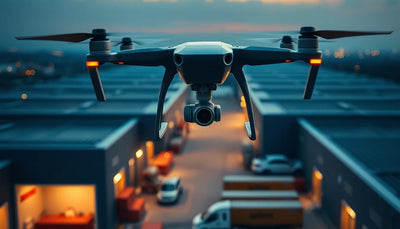
Ruské rakety zasáhly továrnu na drony v Kyjevě: Co to znamená pro kupující
Ruský raketový útok zamířil na továrnu na výrobu dronů v Kyjevě několik hodin po návštěvě senátora US. Pro komerční operátory tato událost signalizuje zvýšené riziko dodavatelského řetězce a posiluje hodnotu použitých dronů DJI jako stabilní možnost nákupu.

července 12, 2026, ruský raketový útok zamířil na továrnu na výrobu dronů v Kyjevě na Ukrajině, jen několik hodin po návštěvě senátora US Lindsey Grahama. Útok, o kterém informoval International Business Times a shromážděný Google News, podtrhuje, jak geopolitický konflikt nadále přímo ovlivňuje globální dodavatelský řetězec dronů. Pro komerční operátory UAV, správce vozových parků a nákupčí, kteří vyhodnocují svůj další nákup zařízení, není tento incident jen vzdáleným titulkem – má hmatatelné důsledky pro dostupnost dílů, cenovou stabilitu a strategickou hodnotu již vlastněného trhu.
Zatímco produkce konkrétní továrny nebyla podrobně popsána v otevřených zdrojích, jakékoli narušení výroby dronů v regionu, který se stal centrem vojenské i komerční výroby UAV, přináší nejistotu. Operátoři, kteří se spoléhají na komponenty OEM, včasné opravy nebo předvídatelné harmonogramy dodávek hardwaru, by měli věnovat zvýšenou pozornost. Tato událost posiluje trend, který jsme pozorovali v posledních dvou letech: když je ohrožena klíčová výrobní lokalita, sekundární trh s drony – zejména použité modely DJI – se stává odolnější cestou nákupu.
Útok a jeho bezprostřední souvislosti
Podle zdrojového článku ruské rakety zasáhly továrnu na drony v Kyjevě krátce po odchodu senátora Lindseyho Grahama z města. Načasování naznačuje záměrný signál, i když ve zprávě nebylo uvedeno žádné další přiřazení nebo posouzení poškození. Jasné je, že infrastruktura pro výrobu dronů na Ukrajině byla opakovaným cílem během celého konfliktu a tato poslední stávka zvyšuje kumulativní riziko pro každého OEM nebo smluvního výrobce působícího v regionu.
Fleet readiness
Keep DJI hardware available without overbuying new units.
Use defense and fleet news as a planning signal for repair support, inspected pre-owned aircraft, and replacement timing.

Pro průmysl komerčních dronů není klíčová informace o vojenských důsledcích, ale o spolehlivosti výroby. Ukrajina se ukázala jako významný zdroj komponent pro drony a sestavených UAV pro obranné i civilní použití. Narušení tam může zasáhnout dodavatelské řetězce, které obsluhují evropské, severoamerické a asijské trhy. Provozovatelé vozového parku, kteří získávají díly nebo kompletní jednotky z tohoto regionu, mohou v nadcházejících týdnech čelit zpožděním nebo zvýšení cen. Nyní je čas vyhodnotit rezervy zásob a zvážit alternativní kanály nákupu, včetně certifikovaných použitých zásob od renomovaných prodejců.
Důsledky dodavatelského řetězce pro komerční provozovatele dronů
Když je zasaženo výrobní zařízení, má okamžitý účinek na tok nových jednotek a náhradních dílů OEM. I kdyby byla továrna v Kyjevě zaměřena na vojenské drony, okolní průmyslový ekosystém – dodavatelé motorů, baterií, rámů a avioniky – bude pravděpodobně ovlivněn. Komerční operátoři často sdílejí stejnou základnu součástek s vojenskými výrobními linkami, zejména v případě generických dílů, jako jsou elektronické regulátory rychlosti nebo kamerové moduly.
Tato vzájemná závislost znamená, že stávka v Kyjevě může nepřímo ovlivnit dodací lhůty běžných opravárenských komponent používaných v platformách DJI Matrice, Mavic a Phantom. Opravny mohou zaznamenat delší čekání na originální díly OEM, což zvýší náklady na profesionální opravy DJI. Pro správce flotil je prozíravým krokem naskladnit kritické náhradní díly hned nebo přesunout část jejich flotily na ojeté drony DJI, které jsou již na trhu a lze je opravovat pomocí dostupných zásob. Průvodce výměnou dronů od Reboot Hub nabízí strukturovaný způsob, jak vyložit starší jednotky a zároveň pořídit zkontrolované použité vybavení, čímž se sníží vystavení se šokům v zásobování.
Co to znamená pro kupce dronů
Pokud nakupujete drony a hodnotíte svůj další nákup v druhé polovině 2026,, tato událost přidává další vrstvu opatrnosti. Dostupnost nových dronů od některých výrobců OEM se může stát méně předvídatelnou a ceny nových jednotek by se mohly zvýšit, pokud se výrobní omezení zpřísní. V takovém prostředí je volbou přizpůsobenou riziku zvážit použité drony DJI, které byly důkladně zkontrolovány a mají záruku. Tyto jednotky jsou již v distribučním kanálu a nepodléhají stejným výrobním zpožděním jako nové sestavení.
Kupující by se také měli zaměřit na schopnost opravy. Dron je jen tak cenný, jakou má servisní síť za ním. S díly OEM, které jsou potenciálně obtížnější získat zdroje, je přístup k profesionálním opravárenským službám DJI, které používají originální díly, ještě důležitější. Před nákupem se zeptejte svého dodavatele na jeho zásobování dílů a na to, zda má alternativní ujednání o nákupu. Cílem je zabudovat odolnost do vaší flotily dronů, nejen získat nejnižší cenu.
Role trhu ojetin v nestabilních časech
Geopolitické narušení často urychluje zájem o pre-vlastněný trh. Když je ohrožena nová výroba, stávající zásoby kontrolovaných použitých dronů se stávají strategickým aktivem. Tyto jednotky nepodléhají nedostatku surovin ani prostojům v továrně. Představují známé množství, které lze okamžitě nasadit. Pro komerční operátory se nejedná o záložní plán, ale o primární strategii nákupu v nestabilním prostředí.
Stávka v továrně na výrobu dronů v Kyjevě je připomínkou toho, že i když nepůsobíte v zóně konfliktu, globální dodavatelský řetězec dronů je propojený. Jedna střela na Ukrajině může ovlivnit cenu DJI Mavic 3 v Chicagu. Důvtipní operátoři již diverzifikují své zdroje vybavení. Ať už rozšiřujete svou flotilu nebo vyměňujete stárnoucí jednotky, prozkoumání trhu s drony DJI prostřednictvím renomovaných kanálů nabízí způsob, jak udržet provozní tempo, aniž byste sázeli na nepředvídatelné potrubí nových jednotek.
Proč byla cílem kyjevská továrna na drony a jak to ovlivní kupce dronů?
Zdá se, že útok je vojenským úderem zaměřeným na narušení ukrajinské výrobní kapacity dronů. Pro komerční zákazníky je skutečným efektem potenciální zpřísnění dodávek nových jednotek a delší dodací lhůty pro díly OEM. Díky tomu jsou použité drony atraktivnější a bezprostřední alternativou.
Mám po tomto útoku odložit nákup nového dronu?
Ne nutně, ale měli byste posoudit, zda je nová jednotka nezbytná. Pokud vaše operace snesou krátké čekání, sledujte indikátory zásob. Pro okamžité potřeby zvažte zkontrolovaný ojetý dron DJI od důvěryhodného prodejce, abyste se vyhnuli zpožděním a cenové nejistotě spojené s novou výrobou.
Jak mohu ochránit svůj vozový park před narušením dodavatelského řetězce, jako je tento?
Diverzifikujte své zdroje. Mějte po ruce zásobník běžných náhradních dílů. Využijte profesionální opravárenské služby DJI, které skladují originální díly. Zvažte také obchodování se staršími drony prostřednictvím průvodce výměnou dronů za účelem konsolidace vaší flotily do méně kvalitnějších použitých jednotek, které se snadněji podporují.