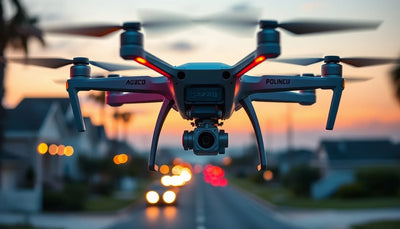
Valkyrie Dynamics HEIMDALL: Mini Radar for Drone Interceptors
Valkyrie Dynamics introduces HEIMDALL, a miniaturized AI-powered radar for drone interceptors. We analyze what this means for counter-UAS operations, fleet planning, and the pre-owned DJI market.

The counter-drone landscape is evolving rapidly, and sensor technology is at the heart of that change. Valkyrie Dynamics recently unveiled HEIMDALL, a miniaturized, AI-powered radar specifically designed for drone interceptors. While the company’s announcement does not disclose detailed technical specifications, the concept itself signals a meaningful direction for defense-grade UAV hardware. For commercial drone operators, fleet managers, and those active in the second-hand market, this development is worth monitoring—not because it directly affects consumer or enterprise drones today, but because it reflects broader trends in sensor miniaturization and AI integration that will eventually ripple into the civilian and pre-owned segments.
HEIMDALL: A New Sensor for the Interceptor Segment
HEIMDALL is positioned as a miniaturized radar system that leverages artificial intelligence to improve detection and tracking performance aboard interceptors. Valkyrie Dynamics describes it as delivering “the sensor technology powering the” next generation of drone-on-drone engagements. The emphasis on miniaturization is significant because traditional radar systems are often too large, heavy, or power-hungry to fit on small unmanned platforms designed to chase and neutralize other drones.
By packaging radar processing and AI inference into a compact form factor, HEIMDALL allows interceptor drones to carry a capable sensor without sacrificing flight time or agility. This is a practical engineering trade-off that has historically limited the effectiveness of counter-UAS systems. Operators of defense-oriented drone fleets—whether military, law enforcement, or security contractors—should take note. The product represents a narrowing of the gap between ground-based radar networks and airborne detection.
Fleet readiness
Keep DJI hardware available without overbuying new units.
Use defense and fleet news as a planning signal for repair support, inspected pre-owned aircraft, and replacement timing.

For the commercial repair and pre-owned market, the direct implication is limited today. But the pattern of miniaturizing complex sensor payloads often leads to lower-cost, lighter versions that eventually appear in enterprise drones. Components like compact radars and AI modules may become available as OEM-pulled parts from retired defense platforms, feeding into the aftermarket for specialized drone repair shops.
Why Miniaturized Radar Matters for Counter-UAS Operations
The core value of HEIMDALL lies in its ability to fit a full radar system onto an interceptor. In counter-UAS missions, the defending drone must detect, track, and classify a threat—often a small, agile quadcopter—while in motion. Traditional EO/IR cameras struggle in low visibility or cluttered environments, and radio frequency sensors can be fooled by signal spoofing. Radar fills a crucial gap: it provides all-weather, day-night detection independent of visual line-of-sight.
Valkyrie Dynamics has not published detection range, frequency band, or power consumption figures for HEIMDALL. That means careful buyers and fleet planners should wait for verified test data before making procurement decisions. However, the company’s positioning suggests that AI processing onboard the radar can reduce false alarms and improve target discrimination—two pain points in real-world counter-UAS engagements.
For operators currently flying DJI Matrice or Inspire platforms adapted for security roles, the emergence of compact radar payloads could open new mission profiles. As the technology matures, we may see retrofit kits or OEM integrations that allow existing drones to serve as interceptors with minimal modification. That would have direct implications for the pre-owned DJI market: drones with proven airframes and upgradeable sensor bays could retain higher resale value if they can be repurposed for defense applications.
What this means for drone buyers
Reboot Hub analysis: For commercial drone buyers and fleet operators, HEIMDALL is not a product they can purchase today—it is a radar for interceptor drones, not for general-purpose UAVs. But its design philosophy offers a useful lens for evaluating future purchases. When choosing an enterprise drone or a used platform, consider how easily it can accommodate third-party payloads. Airframes with standard mounting interfaces, sufficient power supply headroom, and accessible data ports are more likely to remain relevant as sensors like HEIMDALL trickle into the civilian ecosystem.
If you are a repair customer or a buyer of pre-owned DJI drones, pay attention to payload flexibility. Drones that can be upgraded with new sensors—even if not radar specifically—hold their value better in a market where technology evolves in 12- to 18-month cycles. The trade-in value of a used Matrice 300 or M30 series, for example, may depend on whether it can still accept the latest payloads. Following developments like HEIMDALL helps you anticipate which older models become obsolete because they lack payload expansion capabilities.
Fleet managers involved in security or public safety should begin conversations with integrators about compact radar options. Even if HEIMDALL remains defense-focused today, the roadmap likely includes variants for civil use. Stay informed by monitoring sources like SUAS News and by reviewing your current drone inventory for compatibility with emerging payload standards. For those considering retiring older airframes, consult our drone trade-in guide to understand current market valuation before making a move.
Broader Implications for Fleet Operators and the Second-Hand Market
The introduction of HEIMDALL reinforces a larger trend: sensor payloads are shrinking while intelligence is moving onboard. This has two consequences for the used drone market. First, older drones that rely on ground-based processing or larger sensor gimbals may see accelerated depreciation as more capable, smaller payloads become available. Second, pristine pre-owned DJI drones with clean airframes and known maintenance histories become attractive upgrade platforms—provided they have the necessary interfaces.
OEM spare parts and professional DJI repair will play a growing role in keeping these eligible platforms airworthy. A well-maintained pre-owned drone can be fitted with aftermarket or third-party sensors, effectively extending its service life beyond the OEM’s original product cycle. Repair shops that specialize in drone modifications and genuine OEM-pulled parts will be in higher demand as operators seek to retrofit older airframes with new capabilities.
Valkyrie Dynamics has not announced pricing or availability for HEIMDALL, and the company has not confirmed any civilian variants. Defense procurement cycles are typically long, so widespread deployment to non-military users may take years. However, the commercial UAV industry has consistently benefited from defense-driven R&D in sensors, flight controllers, and materials. Savvy buyers and fleet managers watch these developments to time their purchasing and trade-in decisions. If compact AI radar becomes accessible for civil drones within three to five years, early adopters who invested in flexible platforms today will be best positioned.
What is Valkyrie Dynamics HEIMDALL?
HEIMDALL is a miniaturized AI-powered radar system designed for drone interceptors. It was announced by Valkyrie Dynamics and is intended to improve detection and tracking capabilities on small unmanned platforms used in counter-UAS roles. Specific technical specifications have not been released.
How does HEIMDALL affect commercial drone operators?
Directly, HEIMDALL is not a commercial product. It targets defense interceptor applications. Indirectly, it signals a trend toward smaller, smarter sensor payloads that may eventually become available for enterprise drones. Commercial operators should monitor payload portability and upgradeability when selecting new or pre-owned DJI drones.
Should I change my drone purchasing or repair plans because of HEIMDALL?
No immediate change is necessary. Continue to buy based on current mission needs. However, for long-term fleet planning, prioritize airframes with standard payload mounts, sufficient power margins, and available OEM spare parts. This flexibility will allow future upgrades as compact sensors like HEIMDALL become available in the civilian market.
Sources consulted
- SUAS News - primary source
Additional official documentation was not available at publication time.
Reboot Hub Editorial adds buyer, repair, resale, and operational analysis for drone owners. If you spot an error, contact us for correction review through our editorial policy.