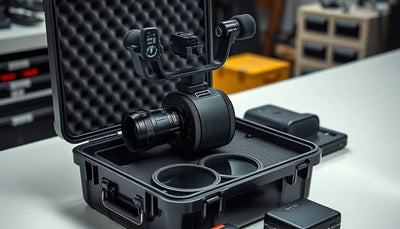
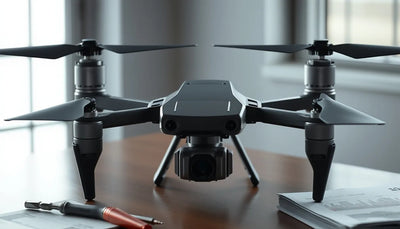
FAA Clears MONTIS Drone for U.S. Avalanche Control Operations
The FAA has granted regulatory approval for Drone Amplified’s MONTIS avalanche control drone, creating a legal framework for U.S. commercial deployment. Operators planning high-risk missions should account for this new precedent when evaluating drone fleet options.

The Federal Aviation Administration has granted regulatory approval for the MONTIS avalanche control drone, developed by Nebraska-based Drone Amplified. The announcement, made on July 8, 2026, confirms that the agency has provided a formal legal framework for U.S. commercial deployment of this specialized remote avalanche mitigation system. For fleet operators, drone buyers, and repair customers, this decision marks a significant shift in how high-risk aerial operations are approved and regulated.
Until now, drone-based avalanche control in the United States existed in a regulatory gray area. Individual operators could seek waivers, but no standardized approval path existed for the payloads and flight profiles required. With this FAA clearance, Drone Amplified’s MONTIS becomes the first drone system explicitly authorized for commercial avalanche mitigation, setting a precedent that could influence future approvals for other specialized mission drones.
What the FAA approval actually covers
The source announcement from Drone Amplified states that the FAA decision provides a “clear legal framework” for U.S. customers. This is not a blanket type certification but rather an operational approval tied to the MONTIS system design and its intended use. The drone itself is purpose-built to carry and deploy explosive charges for avalanche control, a task traditionally performed by helicopter crews or ground-based artillery.
Operator checklist
Turn policy news into a safer fleet decision.
Before changing aircraft, compare repair paths, available DJI inventory, and trade-in timing against the rule change.

The practical effect for operators is straightforward: any company or government agency wanting to use the MONTIS for avalanche work now has a predefined compliance path. Instead of assembling a bespoke waiver application, they can reference the FAA’s existing approval for the system. This reduces legal uncertainty and shortens the time between purchase and operational readiness.
For drone buyers evaluating the secondary market, this approval matters because it demonstrates that the FAA is willing to grant operational permissions for drones designed for specific, high-risk missions. If you are purchasing a pre-owned enterprise drone for a specialized application—whether avalanche control, wildfire suppression, or search and rescue—you should verify that the specific model has any existing FAA approvals or waivers on record. A drone with a proven regulatory track record retains higher value and shorter deployment timelines.
What this means for drone buyers
For anyone considering adding a drone to their fleet for commercial operations, especially in challenging environments, the MONTIS approval highlights several practical considerations. First, regulators are paying close attention to mission-specific design. A drone that is built from the ground up for a particular task, like the MONTIS, stands a better chance of receiving tailored approvals than a general-purpose platform modified to do the same job.
Second, the approval creates a benchmark. Future applications for similar systems—whether from Drone Amplified or competitors—will be measured against this decision. Buyers who invest early in an approved system gain a first-mover advantage, while those relying on retrofitted general-purpose drones may face additional regulatory hurdles.
Third, the pre-owned market is affected indirectly. If specialized drones like the MONTIS gain regulatory traction, we may see a softening in demand for used enterprise platforms that were originally purchased for general use but pressed into specialized roles. Conversely, a well-maintained pre-owned DJI drone that has a clean waiver history for similar high-risk work may hold its value better than one without such documentation. Fleet operators planning upgrades should consider the regulatory clearance status of any drone they intend to trade or sell. Our drone trade-in guide covers how to document operational approvals to maximize resale value.
Finally, repair decisions become more critical. A drone used for avalanche control faces extreme cold, impacts, and corrosive snow. Using genuine OEM parts and certified repair procedures is not just a reliability issue—it can affect the validity of an FAA approval. We recommend professional DJI repair services that use OEM-pulled components to maintain the integrity of any aircraft used under a waiver or operational approval.
Broader implications for fleet planning and the pre-owned market
The FAA clearance for the MONTIS drone is a microcosm of a larger trend: regulators are moving away from one-size-fits-all rules and toward mission-specific approvals. This is good news for operators who have clear use cases, but it adds complexity for those who buy multi-purpose drones hoping to get approvals later.
For fleet managers, the decision suggests that investing in purpose-built drones for specific high-value tasks may be more cost-effective in the long run than trying to adapt general platforms. The MONTIS is a specialized tool; it is not designed for mapping, inspection, or cinematography. But its regulatory path is clear, whereas a general-purpose drone equipped with a similar payload would require a lengthy waiver process every time it was deployed.
In the pre-owned DJI market, this creates a bifurcation. Drones that have been used exclusively for standard commercial operations—surveying, agriculture, inspection—will continue to trade based on flight hours and cosmetic condition. But drones with a history of high-risk operations, particularly those that have been modified or used under site-specific waivers, may become harder to sell unless the buyer has a compatible waiver. This is a factor that should be considered when evaluating a used drone for purchase: does the existing approval history transfer to the new owner, or will you need to start from scratch?
Repair services also gain strategic importance. A drone that has been repaired with non-genuine parts may lose its eligibility for certain FAA authorizations. For operators who rely on approvals like the one granted to the MONTIS, maintaining a chain of documentation for every component becomes essential. Using OEM-pulled spare parts from reputable sources ensures that the aircraft remains in the configuration that was approved. For this reason, we recommend sourcing components from suppliers who guarantee original manufacturer parts, and using repair technicians who understand the regulatory implications of their work.
Operational readiness after regulatory clearance
With a legal framework now in place, Drone Amplified can begin serving U.S. customers. The company is based in Lincoln, Nebraska, and developed the MONTIS specifically for avalanche mitigation. The FAA approval removes a major barrier to commercial sales, but operators must still meet training, maintenance, and insurance requirements.
For customers looking to purchase such a system, the key questions are: does your crew have the necessary experience with explosive payloads? Do you have a maintenance plan that covers the unique stresses of cold-weather operation? And can you document every repair to satisfy an FAA audit? These are not trivial concerns. The approval does not exempt the operator from standard safety and airworthiness obligations.
On the pre-owned side, we anticipate that some operators may begin transitioning away from older general-purpose drones as specialized options like the MONTIS become available. This could increase the supply of used enterprise drones on the market, potentially lowering prices for buyers who do not need avalanche control capabilities. For those in the market for a reliable pre-owned platform for other commercial uses, now may be a good time to explore options. Our collection of pre-owned DJI drones offers inspected, documented aircraft suitable for a wide range of missions.
One operational takeaway: if you currently operate a drone under a site-specific waiver, consider whether the work you do could benefit from a system-level approval like the MONTIS now has. If so, factor that into your next equipment purchase. A drone that comes with approved procedures and a clear regulatory path reduces risk and improves your ability to deliver services reliably.
Frequently asked questions
Does this FAA approval apply to all avalanche control drones?
No. The approval is specific to Drone Amplified’s MONTIS system. Other drones used for avalanche control must obtain their own FAA authorizations, either through system-level approvals or case-by-case waivers.
How does this affect the resale value of used enterprise drones?
Indirectly, it may increase demand for purpose-built approved systems and reduce demand for general-purpose drones used in specialized roles. Drones with a clean waiver history and documented maintenance records will retain value better than those without.
Should I buy a used drone for avalanche control now?
Only if the used drone has a documented FAA authorization for that specific mission, or if you are willing to pursue a new waiver. The MONTIS approval sets a high bar for regulatory readiness. For most operators, investing in a new system with existing approval will be faster and less risky.
Sources consulted
- Anra technologies Archives - DRONELIFE - primary source
- DRONELIFE - primary reporting source
- FAA UAS official guidance - official regulator source
Reboot Hub Editorial adds buyer, repair, resale, and operational analysis for drone owners. If you spot an error, contact us for correction review through our editorial policy.