U.S. Blockade on Iranian Ports Resumes – What Drone Buyers Need to Know
The first full day of the resumed U.S. blockade on Iranian ports saw new attacks and ships turned away. For drone operators, this signals supply chain pressure, potential pre-owned DJI price shifts, and new maritime security opportunities.

The first full day of the resumed U.S. blockade on Iranian ports has already erupted in new attacks, with CENTCOM also turning away two ships attempting to run the blockade. While the immediate headlines focus on military and geopolitical tension, the ripple effects for commercial drone operators, fleet managers, and second-hand drone buyers are more subtle but no less significant. Supply chains that were already under pressure now face additional friction, and the operational environment for maritime surveillance, logistics inspection, and security drone applications is changing in real time.
How the blockade reshapes commercial drone logistics
According to the report from The War Zone, the newly restored blockade is not just a passive cordon: it is being actively enforced by U.S. Central Command, including the diversion of merchant vessels. For drone buyers and fleet operators, the primary concern is the impact on global shipping routes. The Strait of Hormuz and associated Iranian ports are critical chokepoints for oil, chemicals, and containerized goods — including electronics and components used in drone manufacturing. Any sustained disruption here can delay shipments of batteries, motors, camera sensors, and flight controllers, which in turn affects new drone availability and prices.
Fleet managers who rely on just-in-time inventory for spare parts should proactively evaluate their stock levels. While direct sanctions-related restrictions on drone components have existed for years, the blockade could tighten secondary supply lines. For operators using pre-owned DJI drones, this may actually be a strategic advantage: pre-owned units are already in the field, and their availability is not as tightly tied to ongoing component imports. The pre-owned market may see increased interest from commercial buyers who want to avoid potential new-unit shortages.
Market context
Turn market news into a buy, repair, or trade-in decision.
Compare pre-owned availability, resale timing, and repair economics before the market moves again.

What this means for drone buyers
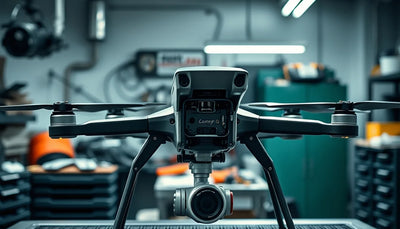
If you are a commercial buyer evaluating a new or pre-owned drone purchase, the blockade signals a time to act with increased awareness of timing and price trends. The most immediate effect is on the cost and lead time of new DJI enterprise models, such as the Matrice 350 RTK or Mavic 3 series, which rely on global supply chains that pass through or near the contested region. While DJI has manufacturing hubs in China, components often transit through Middle Eastern logistics hubs. Delays or increased insurance costs on shipping lanes may translate into higher retail prices or longer wait times for new units.
Reboot Hub analysis: On the other hand, the pre-owned DJI drone market offers a buffer. Pristine pre-owned units that have been professionally inspected can be purchased immediately without waiting for factory production. Given that the blockade is likely to persist, pricing for used DJI drones in good condition may rise as demand shifts away from uncertain new stock. Buyers should compare total cost of ownership: a inspected pre-owned Matrice 30 or Mavic 3 Enterprise may offer similar operational capability at a lower entry price, and with faster deployment. For fleet planners, maintaining a mix of new and pre-owned assets can hedge against supply shocks.
Maritime security and commercial drone applications
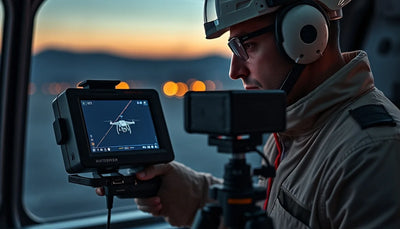
Reboot Hub analysis: The blockade also demonstrates the increasing role of unmanned systems in maritime domain awareness. While the article details naval and air strikes, commercial drone operators should note that the demand for persistent surveillance over ports, anchorages, and shipping lanes is growing globally. Port authorities, shipping companies, and oil terminal operators are more likely to invest in UAV-based inspection and monitoring solutions when geopolitical tensions spike.
For operators offering drone services, this is a signal to position themselves for contracts related to maritime security, infrastructure monitoring, and compliance verification. Drones equipped with thermal cameras or maritime-search lights can support nighttime surveillance of restricted zones. Fleet managers should consider acquiring models with longer endurance and IP-rated durability — such as the DJI Matrice 30T or Matrice 350 — if they intend to pursue these contracts. However, note that new purchase lead times may be longer. Here again, a professional DJI repair services provider can help keep existing fleet airworthy while waiting for fleet expansion.
Evaluating your repair and spare parts strategy
With components potentially facing shipping disruptions, drone operators should reexamine their maintenance schedules and spare parts inventory. The blockade may cause delays in receiving OEM-pulled parts for repairs, especially for high-demand items like gimbals, propeller motors, and main boards. Relying on a repair partner that stocks genuine OEM spare parts can mitigate this risk. For operators with pre-owned drones, ensuring that each unit has been recently inspected and that critical components are in good condition becomes even more important.
If you are considering upgrading or replacing a drone, consider trading in older models through a structured program. A drone trade-in guide can help you understand the current market value of your equipment and streamline the transition to a newer or pre-owned unit. The blockade environment makes it prudent to lock in trade-in values now, before any further market disruption. For those holding spare drones, this may also be a good time to sell pre-owned DJI drones to buyers who are seeking immediate availability rather than waiting for backordered new units.
FAQ – Geopolitical Tension and Drone Market Impact
Will the blockade affect DJI drone prices?
Indirectly, yes. If the blockade disrupts shipping lanes for electronic components, new drone production could slow, leading to higher retail prices and longer lead times. The pre-owned DJI market may see increased demand and potentially rising prices as a result. Buyers should compare current new and pre-owned pricing before making a decision.
Should I delay buying a drone until the situation stabilizes?
It depends on your operational urgency. If you need a drone in the next 30-60 days, buying a pre-owned, inspected unit now may be safer than ordering new and facing uncertain delivery times. If you can wait and are focused on the newest model, monitor supply chain reports and be prepared for possible price increases.
How can fleet operators protect their operations during supply chain disruptions?
Maintain a healthy inventory of critical spare parts, schedule proactive inspections, and consider adding pre-owned units to your fleet to reduce dependence on new production. Partnering with a repair provider that uses genuine OEM parts can also help keep your current drones operational without waiting for overseas shipments.
Sources consulted
- The War Zone - primary source
Additional official documentation was not available at publication time.
Reboot Hub Editorial adds buyer, repair, resale, and operational analysis for drone owners. If you spot an error, contact us for correction review through our editorial policy.