New Air Force VC-25B Bridge Jet Enters Presidential Airlift Group – What It Signals for Fleet Procurement
The Air Force’s new VC-25B “Bridge” jet has joined the Presidential Airlift Group for final tests before carrying the President. This interim aircraft purchase offers commercial drone operators a real-world case study in staged procurement, certification rigor, and second-hand market strategy.

Editorial notes
- This article combines named outside reporting with Reboot Hub's own analysis for drone buyers, fleet operators, repair customers, and pre-owned DJI market watchers.
- Source facts are separated from interpretation. When a report provides limited data, the article states that limitation and frames Reboot Hub's view as analysis.
- Reboot Hub has commercial links to drone products and repair services; those links are reader resources and do not determine the article's conclusion.
The United States Air Force has formally added a new VC-25B “Bridge” jet to the Presidential Airlift Group, marking a significant step in the ongoing modernization of the executive transport fleet. According to reporting from The War Zone, this aircraft will now undergo a final round of tests before being cleared to ferry President Donald Trump. While the VC-25B is a manned, large-body government jet—far removed from the small unmanned systems most Reboot Hub readers operate—the procurement and certification process behind it offers clear, actionable lessons for drone fleet managers, repair customers, and buyers in the commercial and second-hand markets.

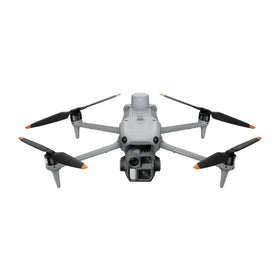
The “Bridge” designation is itself worth examining. Rather than waiting for a fully new production aircraft, the Air Force acquired an existing airframe and is modifying it to serve as an interim solution. That concept—buying a used or partially completed asset, certifying it for a specific mission, and integrating it into an existing fleet—is directly analogous to strategies that savvy drone operators already use. Whether you are adding a pre-owned DJI Matrice to a survey fleet or repairing a Mavic 3 Enterprise rather than replacing it, the same logic of cost control, risk reduction, and operational readiness applies.
The VC-25B Bridge Jet: A Case Study in Government Fleet Modernization
The VC-25B is intended to serve as a temporary “bridge” between the current aging VC-25A (the familiar Air Force One built on the Boeing 747-200) and the future VC-25A replacement currently under development. By joining the Presidential Airlift Group now, this aircraft will undergo a final, rigorous round of tests to verify its systems, communications, and safety protocols before entering full operational service. The source report specifically notes that the jet will be used to transport President Donald Trump once certified.
Enterprise procurement
Turn this market signal into a fleet requirement.
Discuss mission profile, quantities, configuration, delivery, and lifecycle support with Reboot Hub.
For drone fleet operators, the key detail here is the deliberate, phased approach to certification. The Air Force does not simply assign a new aircraft to the mission and fly. They run a final battery of checks, integrate new avionics, validate secure communications, and train personnel. This mirrors the best practices in commercial drone operations: before deploying a new model or a used drone into a high-value mission, thorough ground testing, payload calibration, and firmware validation are essential. The Air Force’s timeline on the VC-25B also confirms something many drone buyers suspect—government certification rarely skips steps, and that same discipline protects your operation when you fly a refurbished drone for critical inspections.
Testing and Certification Parallels for Unmanned Systems
The final round of tests for the VC-25B is not a trivial checkbox. For a presidential transport, every system from engines to encrypted data links must perform without error. The aircraft will likely undergo electromagnetic compatibility testing, full power system checks, and multiple rehearsal flights before being cleared for the primary mission. This is the same framework used for high-assurance drone operations, especially in military, public safety, and critical infrastructure work.
Fleet readiness
Keep mission-ready DJI hardware available without overbuying new units.
Reboot Hub helps teams source inspected pre-owned DJI platforms, repair genuine components, and keep essential spare parts moving.
Commercial drone operators who purchase refurbishment-labeled drones from a professional repair center like Reboot Hub receive devices that have been through a comparable, though scaled-down, validation process. The pre-owned DJI drones available through Reboot Hub are tested, repaired with genuine parts, and calibrated before sale. The VC-25B story reinforces why that matters: if the US Air Force insists on final testing before putting a bridge jet into service, a commercial operator should demand no less for the unmanned aircraft that will fly over property, people, and infrastructure.
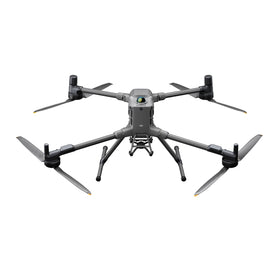
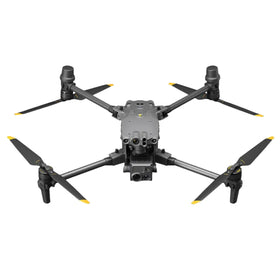
Additionally, the VC-25B procurement highlights the value of fleet standardization. The Presidential Airlift Group operates a small number of very similar aircraft to streamline training and maintenance. Drone fleet operators can apply the same principle by consolidating around a few proven models—for instance, the DJI Matrice 300/350 series for enterprise work and the DJI Mavic 3 series for tactical observation. Buying used or pre-owned units of these standardized platforms reduces spares inventory complexity and lowers per-hour operating costs.
What this means for drone buyers
First, the VC-25B announcement confirms that large institutions are willing to buy “bridge” assets—used or pre-owned equipment modified for a specific purpose. This trend is visible in the drone market too. Government agencies and large enterprise fleets increasingly purchase refurbished or lightly used drones to hold the line while waiting for next-generation models. As a result, the second-hand drone market is becoming thicker, with more audit trails, documented flight hours, and genuine part replacements available.
Second, the Air Force’s choice to test before service is a reminder that any drone, whether new or used, should be field-checked before critical missions. Effective fleet managers integrate a short acceptance test flight into their standard workflow for each acquired unit. This can save significant downtime and liability later. If you are considering a pre-owned drone, purchase from a source like professional DJI repair services that provides a tested and documented unit, not an “as-is” sale from an unknown seller.
Third, the VC-25B procurement suggests that even well-funded organizations face budget and schedule constraints. The commercial drone market regularly sees similar tensions: a new model is announced, but delivery slips, or the initial price is high. Smart drone buyers respond by evaluating mid-cycle upgrades and refurbished inventory from trusted sources. The lesson is to avoid waiting for the perfect new model when a certified used or “bridge” drone can meet your operational needs today at a lower total cost.
Finally, the VC-25B is a concrete example of how military procurement decisions can signal supply chain health. When the Air Force adjusts its purchase patterns for large manned aircraft, it often foreshadows changes in defense spending that eventually affect UAS contracts and component availability. Drone operators should monitor these broader defense procurement trends because they affect the repairability and part supply for common drone platforms over the long term.
Broader Market Trends: Government Adoption of Interim Solutions
The concept of a “bridge” aircraft is not new, but its explicit use in the Presidential Airlift Group underscores a shift in government acquisition strategy toward pragmatic, incremental modernization. The VC-25B fills a capability gap without requiring the full development timeline of a new aircraft. This same pattern is visible in the drone world, where agencies and commercial operators alike are turning to pre-owned DJI drones, trade-in programs, and aftermarket support to keep their fleets mission-ready during product transition cycles.
For readers who repair, resell, or buy pre-owned drones, this trend is positive. It increases the legitimacy and documentation standards in the used market. When government buyers accept “bridge” assets, they validate the concept that a well-maintained used platform can perform at a high level. This should encourage drone buyers to consider inspected pre-owned units for their own operations, especially if the unit comes from a repair partner that tests and certifies its work.
The VC-25B story also hints at the importance of supply chain flexibility. The Air Force had to locate a suitable airframe and convert it quickly. Drone operators in the commercial sector face similar challenges when a new model is backordered or when a popular sensor is discontinued. Building a fleet that can accept both new and used assets—with a common interface and consistent software—is a strategic advantage. Platforms like the DJI Matrice series, with their modular payload systems, are especially conducive to this hybrid approach.
In summary, the Air Force’s new bridge jet is more than a news item about presidential travel. It is a practical demonstration of procurement realism that every drone buyer and fleet operator can learn from. The emphasis on final testing, interim solutions, and fleet standardization aligns directly with best practices in the commercial UAS space. For those active in the used and refurbished drone market, this story provides additional confidence that buying a certified “bridge” drone is a sensible, mission-proven strategy.
What is a “Bridge” jet and why did the Air Force use one?
A bridge jet is an interim aircraft acquired to fill a capability gap while a longer-term replacement is developed. The Air Force used this approach with the VC-25B to avoid delays in the presidential transport mission. They purchased an existing airframe and are modifying it rather than building from scratch.
How does the VC-25B final testing relate to drone compliance and repair?
The Air Force’s final test round ensures every system works before service. Drone operators should adopt a similar mindset: after any repair or purchase of a used drone, run a full pre-mission test including GPS lock, sensor calibration, and power checks. Professional repair services like Reboot Hub follow this principle with every refurbished unit.
Should commercial drone buyers consider “bridge” or interim models in their fleet planning?
Yes. When a new model is delayed or too expensive, a inspected pre-owned drone or a refurbished unit can serve as a bridge asset. The key is to buy from a source that provides documented testing and genuine parts. This strategy preserves operational readiness without waiting for the next release.
From Reboot Hub
Keep mission-ready DJI hardware available without overbuying new units.
Reboot Hub helps teams source inspected pre-owned DJI platforms, repair genuine components, and keep essential spare parts moving.
Pre-owned DJI drones
Inspected pre-owned aircraft with warranty coverage and clear condition grading.
Browse inventory ->Genuine-part repair
Diagnostics, repair planning, and component replacement for working DJI fleets.
Book a repair ->OEM spare parts
Batteries, propellers, gimbals, and essential DJI components for faster recovery.
Shop parts ->