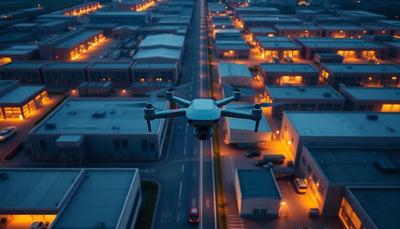
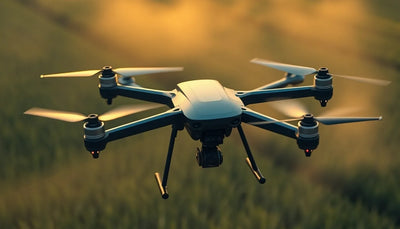
Kharkiv Delivers 30 DJI Matrice 4T Drones to National Guard Unit
Kharkiv authorities handed over 30 new DJI Matrice 4T drones to a National Guard unit. This military procurement signals growing reliance on industrial drones for tactical operations and may affect commercial fleet availability and the pre-owned DJI market.

On 27 July 2026, Kharkiv regional authorities delivered 30 brand-new DJI Matrice 4T drones to a National Guard unit operating in the region. The handover, reported by Межа. Новини України., marks one of the largest single dispatches of this industrial quadcopter to a Ukrainian defense formation this year. For fleet operators, repair shops, and buyers in the pre-owned DJI market, deliveries of this scale reveal important trends in supply, lifecycle planning, and the evolving relationship between commercial drone hardware and battlefield requirements.
The Matrice 4T is DJI’s latest multipurpose industrial drone, designed for surveying, inspection, and public safety missions. While the source does not specify payload configuration, the delivery of 30 units implies the National Guard intends to deploy them across multiple squads, likely for reconnaissance, damage assessment, and logistics support. This is not a small pilot program: it is an operational-scale procurement that will put sustained flight hours on airframes and create long-term demand for genuine OEM spare parts and professional DJI repair services.
Strategic value of the Matrice 4T in tactical operations
The Kharkiv handover is a concrete example of how mature industrial drone platforms are being adopted by military units that previously relied on consumer-grade quadcopters or legacy systems. The Matrice 4T offers modular payload integration, extended flight endurance, and ruggedized airframe design qualities that make it suitable for day-and-night operations in contested environments. The source confirms only the model name and quantity, but industry observers note that similar deliveries have historically been followed by accelerated training programs and dedicated maintenance cells.
Fleet readiness
Keep DJI hardware available without overbuying new units.
Use defense and fleet news as a planning signal for repair support, inspected pre-owned aircraft, and replacement timing.

For drone buyers and fleet managers watching the defense sector, this event reinforces the value of selecting platforms with a proven support ecosystem. When a military unit standardises on one model, it drives spare-part availability and repair expertise across that region. Conversely, it also puts upward pressure on new-unit pricing and lead times for commercial customers. If you are planning to add Matrice 4T drones to your enterprise fleet in the next six months, expect tighter inventory and potentially longer shipping windows, especially for markets in Eastern Europe.
The practical implication for commercial operators is straightforward: if you rely on the Matrice platform for critical operations, consider securing your next batch earlier than usual. Alternatively, explore the secondary market for inspected pre-owned units that may become available as defense forces phase out older Matrice 300 or Matrice 350 drones. Facilities that already specialise in professional DJI repair services will be well positioned to handle the increased maintenance volume from both military and enterprise customers.
What this means for enterprise operators
Enterprise drone operators should view the Kharkiv delivery as a signal that the Matrice 4T has passed the real-world validation test for intense, high-tempo deployment. When a military unit accepts 30 units for frontline use, it confirms that the airframe, motors, batteries, and transmission system are durable enough for demanding cycles. That endorsement matters for commercial buyers who need reliability over years of operation.
However, the same procurement creates a competitive dynamic for supply. DJI’s manufacturing capacity is not infinite, and defense orders often take priority in certain regions. If you operate a fleet of Matrice 4T units, expect to plan spare battery and component replacements further ahead. The repair pipeline may also see longer turnaround times if military contracts absorb technician bandwidth. This is where the value of a professional DJI repair service that stocks genuine OEM spare parts becomes critical: having a trusted repair partner reduces downtime when OEM lead times stretch.
Another consideration is fleet standardisation. If your current fleet mixes Matrice 300 and Matrice 4T models, the Kharkiv delivery suggests that the 4T may become the de facto standard for future upgrades. Aligning your fleet around one airframe simplifies pilot training, reduces spare parts inventory complexity, and improves operational tempo. For those using the drone trade-in guide, now may be the right time to assess which older units can be traded toward additional Matrice 4T units or used to fund repair reserves.
Impact on the pre-owned DJI market and repair ecosystem
Large defense drone procurements like this one have a delayed but significant effect on the pre-owned DJI market. As National Guard units integrate the new Matrice 4T drones, they may divest older Matrice 300 and Matrice 210 units that are still fully functional. Those pre-owned DJI drones become available to commercial operators at lower price points, especially if the military sells them through surplus channels or if individual units are returned to the supply chain.
Reboot Hub analysis: For repair-focused readers, the influx of military-surplus airframes means more repair opportunities for the Matrice family. Many of these units will have high flight hours but solid airframes, making them ideal candidates for professional overhauls. The Kharkiv delivery also implies that the local repair ecosystem will need to expand its capacity to service 30 additional drones. Civilian repair workshops that can handle DJI industrial models may find increased demand from both military subcontractors and enterprise operators who prefer to outsource maintenance.
Operators considering purchasing on the secondary market should verify that any used unit comes with verifiable flight logs and a professional inspection. This is where the value of inspected pre-owned stock from a reputable source—such as the selection of pre-owned DJI drones—provides peace of mind. A documented history of repair and parts replacement protects your investment and ensures mission readiness.
Operational and logistics considerations for large-scale drone procurement
Delivering 30 drones to a single unit is not simply a transaction; it is a logistics event that involves training, charging infrastructure, spare battery stocks, protective cases, and network management. The Kharkiv authorities likely coordinated with unit leadership to ensure that ground support equipment, software updates, and pilot certification were in place before the handover. For enterprise fleet managers, this example highlights the importance of planning beyond the airframe purchase.
Key logistics takeaway: when you scale from one or two drones to a fleet of 10 or more, the overhead for battery management, data storage, and maintenance scheduling multiplies. A fleet of 30 Matrice 4T drones might require 60 to 90 intelligent flight batteries, a robust charging station, and a spare parts inventory covering common failure items such as propellers, landing gear arms, gimbal dampeners, and obstacle avoidance sensors. If you are building your fleet, consider allocating 10 to 15 percent of your budget for genuine OEM spare parts and a contractual repair service agreement.
Downtime is the enemy of operational tempo. The National Guard unit that received these 30 drones will need access to fast, reliable repair. Commercial operators in high-frequency sectors—such as utilities, construction monitoring, or agricultural mapping—face the same challenge. Using a professional DJI repair service that sources only genuine OEM parts ensures that repairs restore the aircraft to factory performance and do not void any remaining warranty. For those with older drones, a drone trade-in guide can help you calculate the residual value of your current hardware and plan a cost-efficient upgrade path.
Will the Matrice 4T delivery affect commercial drone pricing?
Yes, indirectly. Large defense orders can consume manufacturing slots, particularly for hot-selling models like the Matrice 4T. Commercial buyers may face slightly longer lead times and reduced availability of bulk discounts. However, the effect is usually temporary and regional. Markets outside conflict zones often see normal supply within a quarter. Enterprise operators should place orders early and consider locking in pricing with a deposit.
How can I find pre-owned Matrice 4T drones after military use?
Military-surplus sales are rare for current-generation models because defense forces typically retain them for years. However, older Matrice models that are replaced after such deliveries may appear on the secondary market. The best source for pre-owned DJI drones with verified histories is a reputable reseller that inspects every unit, tests all functions, and provides a documented service record. Check the listing for flight hours, battery cycle counts, and any repair notes.
What should I do if my Matrice 4T needs repair and OEM parts are delayed?
If new OEM parts are backlogged due to defense demand, the smartest approach is to work with a repair specialist that maintains an inventory of genuine OEM spare parts. Such facilities can often complete repairs faster than standard DJI service centres. Additionally, if your drone is older or has heavy damage, a trade-in toward a newer or inspected pre-owned unit may be more cost-effective than waiting for parts.