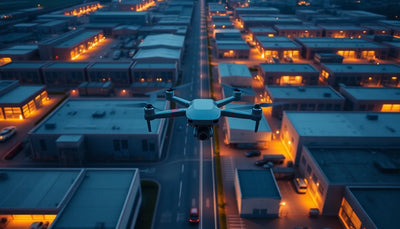
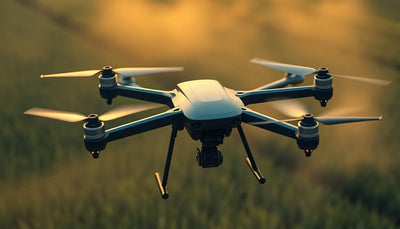
Intelic links multi-vendor counter-UAS sensors and interceptor in one workflow
A Latvian counter-UAS field test connected detection, command and control, and interceptor tasking through Intelic's platform. The integration matters for defense buyers and commercial operators watching how fragmented drone security stacks are becoming operationally usable.

Quick answer
SUAS News reports that Intelic connected multi-vendor detection sensors, command and control, and an interceptor drone in a single operational counter-UAS workflow during a field test in Latvia.
- The test took place in Latvia and involved detection, C2, and interceptor tasking through Intelic's platform.
- The workflow connected sensors from multiple vendors, not a single closed ecosystem.
- SUAS News describes the test as a European first for this type of integrated counter-UAS workflow.
- The development signals growing demand for interoperable counter-UAS systems rather than proprietary stacks.
Evidence: SUAS News · DIU Blue UAS
Fleet readiness
Keep DJI hardware available without overbuying new units.
Use defense and fleet news as a planning signal for repair support, inspected pre-owned aircraft, and replacement timing.

SUAS News reports that a counter-UAS field test in Latvia has connected multi-vendor detection sensors, command and control, and an interceptor drone inside a single operational workflow managed through Intelic's platform. The publication describes the demonstration as a European first for this type of integrated counter-UAS tasking, where separate hardware from different suppliers feeds one operator environment rather than remaining siloed in proprietary systems.
The reported test matters because counter-UAS procurement has long been constrained by integration friction. Detection radars, radio frequency sensors, electro-optical cameras, and effectors often come from different manufacturers, each with its own software and data format. If the SUAS News account is accurate, the Latvian demonstration suggests that at least one platform vendor is now positioning itself as the connective layer between those components, which could change how security buyers evaluate system architecture.
What the reported Latvian test actually shows
According to the SUAS News report, the field test linked three functional layers: detection, command and control, and interceptor tasking. The detection layer drew on sensors from multiple vendors, the C2 layer consolidated the resulting tracks and operator decisions, and the interceptor drone received tasking through the same workflow. The source does not provide detailed performance figures, sensor model names, or engagement outcomes, so the operational depth of the demonstration remains limited in public reporting.
Even with those gaps, the structural implication is clear. A counter-UAS operator using this type of workflow would not need to manually translate detections between separate vendor consoles before assigning an interceptor. That reduces response latency and training burden, two factors that consistently shape defense and critical infrastructure procurement decisions. For commercial readers, the same integration logic applies to enterprise drone security programs, where mixed fleets of sensors and response tools are increasingly common.
Why interoperability is becoming the procurement question
Counter-UAS buyers have historically faced a choice between buying an all-in-one system from a single vendor or stitching together best-of-breed components at significant integration cost. The Intelic demonstration reported by SUAS News points toward a third path: a platform layer that normalizes data and tasking across vendor boundaries. That approach echoes broader defense modernization trends, where open architectures and modular systems are favored over closed, single-supplier stacks.
Reboot Hub analysis suggests this shift has downstream consequences for fleet planning and lifecycle cost. When a security operator can swap one sensor or effector without replacing the entire command environment, the useful life of each component extends. That matters for budgeting, training continuity, and spare parts planning. It also means that procurement teams should start asking vendors whether their hardware can operate inside a third-party C2 workflow, rather than assuming the vendor's own software is the only option.
What this means for drone owners and the market
The direct commercial impact on civilian drone owners is limited today, but the direction of travel is relevant. As counter-UAS systems become more integrated and more widely deployed around airports, stadiums, ports, and energy sites, the operational environment for legitimate drone flights becomes more structured. Pilots and fleet operators should expect detection and response infrastructure to become more capable of distinguishing authorized from unauthorized traffic, which could eventually support smoother access for registered commercial operations.
For fleet managers and buyers, the Latvian test is a reminder that defense and security technology cycles influence the broader drone market. Interoperability pressure that starts in counter-UAS procurement tends to spill into enterprise drone platforms, where mixed fleets from DJI and other manufacturers already create integration challenges. Buyers evaluating pre-owned DJI drones or planning multi-vendor operations can track these developments through resources like the Drone Wiki, which helps operators understand how platform choices affect long-term maintenance and integration. The practical takeaway for a buyer or operator is to prioritize hardware that can feed data into open or widely supported workflows, because resale value and operational flexibility increasingly depend on software compatibility rather than raw flight performance alone. For owners evaluating service and lifecycle risk, Drone Wiki explains the relevant repair, parts, resale, or operational path.
What operators should watch next
The SUAS News report leaves several questions open. It does not specify which sensor vendors participated, what interceptor platform was used, or whether the workflow has been validated beyond a single demonstration. Those details will determine whether the European-first label translates into procurement traction. Operators and buyers should watch for follow-on announcements about repeat tests, government evaluation programs, or commercial deployments that would confirm the integration is durable rather than demonstrative.
In the meantime, the sensible posture is cautious optimism. A single field test does not establish a new procurement standard, but it does signal where vendor investment is heading. For commercial drone operators, repair customers, and fleet planners, the relevant lesson is that the drone security market is consolidating around interoperable workflows, and equipment choices made today should account for that trajectory.
FAQ
Frequently asked questions
What did the Latvian counter-UAS test demonstrate?
SUAS News reports that the test connected multi-vendor detection sensors, command and control, and an interceptor drone in a single operational workflow through Intelic's platform, described as a European first.
Which companies were involved in the demonstration?
The primary reporting names Intelic as the platform provider. The source does not identify the specific sensor vendors or the interceptor drone manufacturer involved in the Latvian field test.
Does this change what commercial drone operators should do?
Not immediately. Commercial operators should monitor whether interoperable counter-UAS workflows become more widely deployed, since that could affect airspace access and enterprise fleet integration decisions over time.
Which sources support this update?
The visible evidence links identify SUAS News and DIU Blue UAS; each source is used only for the claim it directly supports.
What remains subject to change?
Retail pricing, availability, product bundles and regulatory timelines can change. Readers should verify the latest terms with the named retailer, manufacturer or regulator before acting.
How should buyers or operators use this analysis?
Use the verified facts as a starting point, then compare mission fit, lifecycle support, maintenance needs and current procurement terms before making a purchase or fleet decision.
Sources consulted
- SUAS News - primary source
- DIU Blue UAS - official government source
Reboot Hub Editorial adds buyer, repair, resale, and operational analysis for drone owners. If you spot an error, contact us for correction review through our editorial policy.