How DJI Matrice 4 Series Helped Wildlife Team Rescue 20x More Fawns
A wildlife organization using DJI Matrice 4 series drones achieved a 20-fold increase in fawn rescues. The results highlight real-world ROI for enterprise UAVs and what it means for pre-owned DJI drone buyers and fleet operators.

A wildlife organization has reported a dramatic improvement in its fawn rescue operations after deploying DJI Matrice 4 series drones, achieving a 20-fold increase in successful rescues. The news, shared via a PR Newswire release, underscores how enterprise-grade UAVs are delivering real-world impact beyond typical commercial use. For drone buyers, fleet operators, and participants in the pre-owned DJI market, this case study offers concrete evidence of the platform's operational value — and signals where demand may shift next.
The organization, which regularly rescues fawns from agricultural fields before mowing season, turned to the Matrice 4 series after previous methods proved slow and ineffective. By combining thermal imaging with automated flight patterns, the team was able to locate fawns hidden in tall grass much faster and more reliably. The result — a 20x increase in rescues — is not just a conservation win; it's a clear demonstration of how advanced drone capabilities can transform a mission-critical workflow. Commercial operators should take note, because the same principles apply to infrastructure inspection, search and rescue, and precision agriculture.
How the Matrice 4 Series Enabled a 20x Improvement in Rescue Efficiency

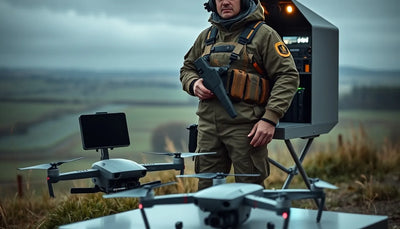
The press release details how the organization used the Matrice 4 series to replace ground-based search methods that were both time-consuming and prone to missing hidden fawns. With thermal cameras and the ability to cover large areas quickly, the drone team could scan entire fields from a safe altitude, identify heat signatures of fawns, and guide ground crews to precise locations. The 20x improvement in rescue volumes came not from a single feature, but from the combination of reliable flight stability, sensor quality, and intuitive mission planning software.
Industrial drone procurement
Source a brand-new industrial drone for this mission.
Discuss mission fit, aircraft model, quantities, configuration, pickup, and lifecycle support with Reboot Hub.
For fleet managers evaluating enterprise drones, this use case highlights the importance of integrated thermal capabilities and automation. The Matrice 4 series, which sits above the consumer lineup, is designed for professional operations where repeatability and accuracy matter. The wildlife organization's results suggest that even modest investments in upgraded sensors and flight autonomy can yield outsized operational returns. Operators still using older analog or basic visual-only drones should consider whether a thermal-equipped model like the Matrice 4 series could similarly boost their own mission effectiveness.
Another takeaway is the value of real-world training and workflow adaptation. The organization did not simply buy a drone and fly it — they adjusted their patrol routes, data review processes, and ground team coordination to leverage the UAV's strengths. This kind of iterative refinement is exactly what separates successful commercial drone programs from those that struggle to show ROI. Drone buyers looking to replicate such results should budget not just for hardware, but for process design and operator training.
What this means for drone buyers

The 20x rescue improvement directly impacts decisions for anyone purchasing or upgrading an enterprise drone. First, it validates the Matrice 4 series as a serious tool for field operations. Buyers in agriculture, environmental monitoring, and public safety should view this as a data point supporting investment in thermal and automated flight capabilities. If a wildlife organization with limited resources can achieve such gains, commercial operators with similar workflows can likely see comparable improvements.
Second, the news influences the pre-owned DJI drone market. As more organizations adopt the Matrice 4 series, older Matrice models (such as the 200 or 300 series) may see softened demand, while well-maintained Matrice 4 units could hold value better. Sellers looking to upgrade to newer platforms should consider trading in their current fleet rather than holding onto depreciating assets. Reboot Hub's pre-owned DJI drones provide an inspected, cost-effective entry point for operators who want access to this proven series without paying full retail. For those already using older Matrice models, a drone trade-in guide can help evaluate when upgrading makes financial sense.
Finally, buyers should prioritize sensor payload flexibility. The rescue success relied heavily on thermal imaging — a capability that may not be standard on all enterprise configurations. When purchasing a Matrice 4 series or similar drone, ensure the model supports the payloads you need for your specific missions. Spending slightly more upfront on a thermal-ready unit can prevent costly retrofitting later. Fleet operators should also consider buying multiple payloads to maximize the drone's utility across different tasks, from daytime inspection to nighttime search.
Operational Lessons for Fleet Managers and Repair Customers

The wildlife organization's experience provides several operational lessons for fleet managers. First, mission-critical drone work demands high reliability — mechanical failure during a rescue window could mean missed targets or safety risks. This underscores the importance of regular maintenance and access to genuine OEM spare parts. For organizations that fly frequently in challenging environments (dust, tall grass, variable weather), scheduling periodic professional inspections can prevent downtime. Reboot Hub's professional DJI repair services use OEM-pulled parts to restore drones to factory standards, a crucial consideration for operators who cannot afford subpar repairs.
Second, the case study shows that even advanced drones require careful data management. Thermal footage and flight logs from each rescue mission need to be stored, reviewed, and sometimes shared with partners. Fleet managers should invest in robust data handling workflows — including cloud backup and structured file naming — to ensure that operational insights are not lost. This is especially relevant for multi-drone fleets where consistency across missions matters.
Third, battery management emerged as a hidden factor. Covering large fields efficiently required multiple flights per day, meaning rapid battery swapping and charging cycles were essential. Organizations that rely on drones for extended field operations should stock adequate batteries and invest in external charging hubs. The wear and tear on batteries also affects trade-in or resale value; maintaining battery logs can help when selling pre-owned equipment to informed buyers.
The Broader Implications for the Pre-Owned DJI Market

Success stories like this one have a direct effect on the pre-owned DJI drone ecosystem. Positive press about a specific series — especially when it demonstrates measurable, life-saving outcomes — tends to increase demand for that model. Buyers in the pre-owned market may become more willing to pay a premium for Matrice 4 series units, knowing that the platform has proven its worth in demanding field conditions. Conversely, sellers of older models may need to adjust expectations as the market's attention shifts.
For those looking to acquire a Matrice 4 series at a lower cost, the pre-owned channel offers inspected units that have been verified for operational readiness. Many of these drones come from organizations that upgrade regularly, meaning they have been professionally maintained and have moderate flight hours. Buyers should always ask for flight logs and service history before purchasing. Reboot Hub's inventory of pre-owned DJI drones provides transparency on condition and parts used, helping buyers make informed decisions without taking on excessive risk.
Another implication is the ripple effect on repair and spare parts demand. As more Matrice 4 units enter service — both new and pre-owned — the need for genuine OEM spare parts will grow. Operators who plan to keep their drones for multiple seasons should establish a relationship with a repair center that stocks authentic components. Using third-party parts can void warranties and reduce reliability, precisely the opposite of what mission-critical operators need. The wildlife organization's success depended on the drone performing every time; that reliability starts with quality parts and expert maintenance.
How does the Matrice 4 series compare to earlier Matrice models for wildlife work?
While the press release does not provide a direct specification comparison, the reported 20x improvement in rescue efficiency suggests that the Matrice 4 series offers significant advances in thermal sensor resolution, flight autonomy, or ease of use compared to earlier models. Operators considering an upgrade should evaluate their specific mission requirements against the capabilities of newer platforms, but the real-world results strongly favor the Matrice 4 series for thermal search operations.
What should operators consider before using drones for wildlife rescue?
Operators should focus on three areas: thermal camera quality (resolution and sensitivity), flight endurance (battery capacity and swappable batteries), and regulatory compliance (local wildlife protection laws and airspace permissions). Additionally, training ground crews to interpret thermal imagery and coordinate with drone operators is essential for mission success.
Can pre-owned Matrice 4 drones be reliable for conservation missions?
Yes, provided they have been professionally inspected and maintained with genuine OEM parts. Pre-owned drones from reputable sources often come with verified flight logs and service histories, making them a cost-effective option for conservation teams with limited budgets. Avoid units with unknown repair histories or non-original components, as reliability is paramount in life-saving operations.