HoverAir Versa Blurs Line Between Drone and Gimbal Camera
HoverAir Versa challenges the traditional drone category by merging gimbal camera functionality with flight capability. We break down what this hybrid design means for content creators, fleet operators, and the pre-owned drone market.

The HoverAir Versa is generating early industry chatter for a simple reason: it refuses to sit neatly in one product category. Initial reporting from Digital Camera World frames the device as both a drone and a gimbal camera, suggesting a hybrid design that could appeal to creators who want aerial footage and stabilized ground shots without carrying two separate tools. For commercial UAV buyers and fleet operators, this kind of category-blurring hardware is worth watching closely, even if it does not directly compete with DJI's enterprise lineup.
The product appears aimed at the content-creation segment rather than inspection or surveying work. But the commercial implications extend beyond hobbyist video. If hybrid capture devices gain traction, they could influence how smaller operators plan their kit, how repair shops prepare for new form factors, and how the pre-owned market values traditional camera drones that serve a similar purpose.
What the HoverAir Versa actually is
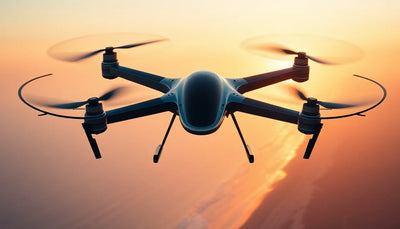
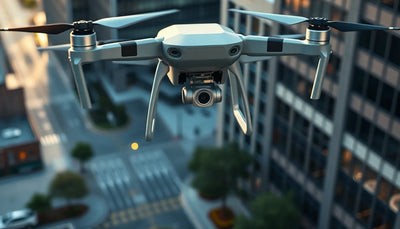
According to the source report, the HoverAir Versa is being positioned as a device that works as a drone and as a gimbal camera simultaneously. The core idea is that the hardware can function in the air for aerial capture and on the ground as a stabilized camera platform. This is not a folding drone with a better gimbal; it is a deliberate attempt to merge two capture workflows into one physical device.
DJI buying context
Match product news to hardware you can actually deploy.
Check inspected DJI aircraft, repair support, and trade-in timing before deciding whether to upgrade, repair, or wait.

The practical appeal for solo creators is obvious. A single device that handles both aerial establishing shots and stabilized ground footage reduces the amount of gear carried to a shoot. For a one-person operation covering events, real estate walkthroughs, or outdoor content, that consolidation can simplify both logistics and post-production, since footage comes from one sensor and one color profile.
For commercial operators, the hybrid concept raises a different question: does a device like this replace a dedicated drone and a dedicated gimbal, or does it simply add another tool to the bag? The source does not provide specifications, pricing, or availability details, so it is too early to make a practical cost comparison. What matters right now is that a major consumer electronics brand is testing this category, and the market response will signal whether hybrid capture devices have staying power.
What this means for drone buyers
For buyers who are currently deciding between a compact camera drone and a separate handheld gimbal, the HoverAir Versa introduces a third option that did not exist in the mainstream market until now. The decision is no longer simply about which drone has the better sensor or which gimbal has the smoothest stabilization. It is about whether a single hybrid device can cover both use cases well enough to justify the compromise.
Content creators who shoot primarily for social media or light commercial work may find the hybrid approach attractive, especially if it reduces the number of batteries, chargers, and cases they need to manage. On the other hand, operators who rely on dedicated drones for precise flight control, longer flight times, or interchangeable lenses will likely stick with purpose-built aircraft. The hybrid category will probably serve the middle ground: creators who want aerial flexibility without committing to a full drone workflow.
Fleet managers should not treat the HoverAir Versa as an enterprise tool. The source material points to consumer and creator positioning, not inspection-grade hardware. However, fleet operators who also run small content teams should watch how this category develops. If hybrid devices prove reliable and produce quality footage, they could become a cost-effective secondary tool for marketing and documentation work, freeing up primary drones for mission-critical tasks.
For buyers in the pre-owned market, the introduction of a hybrid category could have a subtle effect on pricing. Devices like the HoverAir Versa may pull some demand away from entry-level camera drones and standalone gimbals, potentially softening resale values for those categories over time. Anyone holding older compact camera drones for resale should monitor demand trends rather than assume current values hold indefinitely.
Repair and service implications for hybrid hardware
Hybrid devices present a new challenge for repair services. A drone with a detachable gimbal camera is one thing; a device where the gimbal is integral to the drone body is another. The HoverAir Versa, based on the source description, appears to integrate the camera and stabilization system into the flight platform itself. That design could simplify some repairs by reducing the number of separate components, but it could also mean that a damaged gimbal motor requires service on the entire unit rather than a simple camera swap.
For independent repair shops and operators who handle their own maintenance, the hybrid form factor demands a different skill set. Technicians will need to understand both flight control systems and gimbal stabilization electronics, and they will need to diagnose faults that could originate in either subsystem. This is not a reason to avoid the category, but it is a reason to ask about serviceability before purchasing.
Buyers should ask three practical questions before committing to a hybrid device. First, is the gimbal assembly replaceable as a module, or is it permanently fused to the airframe? Second, does the manufacturer offer OEM spare parts for the camera and gimbal components, or only for the flight system? Third, what does the warranty cover for ground-use scenarios, since a gimbal camera will face different wear patterns than a drone that only flies?
Operators who already rely on professional DJI repair services for their existing fleet should note that hybrid devices may not fit the same repair workflows. It is worth confirming with any service provider whether they support the HoverAir platform before purchasing, rather than assuming every repair shop will handle the new form factor.
Market positioning and the pre-owned angle
The HoverAir Versa enters a market where DJI dominates the consumer drone segment and the gimbal category is largely defined by handheld stabilizers. A hybrid device that competes on convenience rather than raw performance could carve out a niche, but it will need to prove that it does not compromise too heavily on either function. The source report does not provide enough detail to judge image quality, flight stability, or battery life, so early adopters should treat the launch as a first look rather than a final verdict.
For the pre-owned drone market, the significance of the HoverAir Versa is indirect but real. Every new product category that captures buyer attention shifts demand away from existing products. Compact camera drones that were popular for vlogging and travel content may see softer demand if hybrid devices deliver on their promise. Sellers of used drones in that segment should consider timing their listings before the category matures, while buyers might find good deals on slightly older compact drones as sellers reposition their gear.
Operators who are thinking about upgrading or consolidating their kit should also consider the trade-in angle. If a hybrid device genuinely replaces both a drone and a gimbal, then selling the old equipment makes sense. The drone trade-in guide covers the general process of valuing and selling used equipment, and the same principles apply here: document the condition, keep original accessories, and price based on current market demand rather than original purchase price.
For those who want to keep their options open, holding onto a dedicated camera drone while testing a hybrid device is a reasonable approach. The pre-owned market for pre-owned DJI drones remains active, and there is no urgency to sell based on one product announcement. The smarter move is to wait for independent reviews and real-world footage before making any significant changes to a kit.
What should operators do now
The HoverAir Versa is not yet a proven product, and the source material does not include launch dates, pricing, or technical specifications. That means the correct response is observation, not action. Operators should track independent reviews, pay attention to build quality reports, and wait for details on battery life, sensor performance, and software stability before considering a purchase.
Fleet managers should treat the hybrid category as a potential future addition to their content toolkit, not as a replacement for mission drones. The device's value proposition is convenience and versatility, not industrial capability. For repair decisions, the key is to confirm serviceability before purchase and to understand whether the manufacturer supports modular repairs or requires whole-unit service.
For buyers in the pre-owned market, the near-term opportunity is on the selling side. If hybrid devices gain popularity, demand for compact camera drones may soften, so sellers with lightly used equipment should consider listing sooner rather than later. Buyers, meanwhile, should not overpay for older compact drones when a new category is about to test the market.
Is the HoverAir Versa a replacement for a DJI drone?
Based on the source report, the HoverAir Versa is positioned as a hybrid drone and gimbal camera for content creation. It is not presented as a replacement for enterprise or professional drones, and no specifications are available to compare flight performance, sensor quality, or battery life against DJI models.
Should repair shops prepare for hybrid drone-gimbal devices?
Yes, but gradually. Hybrid devices combine flight and stabilization systems in one body, which may require technicians to diagnose faults across both subsystems. Shops should monitor the category and confirm parts availability before investing in specialized service capabilities.
How will the HoverAir Versa affect the pre-owned drone market?
The hybrid category could shift demand away from compact camera drones and standalone gimbals, potentially softening resale values in those segments. Sellers of used compact drones may want to list sooner, while buyers should wait for independent reviews before making purchase decisions.