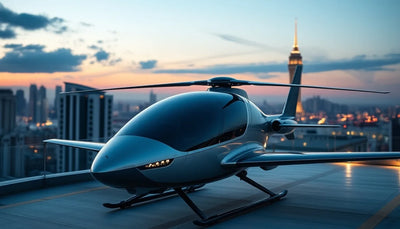
Hong Kong Air Taxi Test Flight Signals Low-Altitude Economy Push
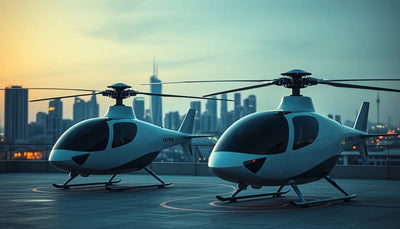
Hong Kong has completed its first air taxi test flight, a milestone for the city's low-altitude economy ambitions. The event points to new commercial use cases that could reshape drone logistics, inspection work, and fleet planning across the region.

Quick answer
Hong Kong conducted its first air taxi flight as part of a broader push to develop the low-altitude economy, according to a report from jpchinapress.com.
- The flight is framed as a milestone for Hong Kong's low-altitude economy development.
- The event signals growing regulatory and commercial interest in advanced air mobility in the region.
- Commercial drone operators and fleet buyers should watch how this shapes future urban airspace rules and service demand.
Hong Kong has completed what is being described as its first air taxi flight, a development reported by jpchinapress.com as part of the city's effort to accelerate low-altitude economy growth. The test flight represents an early but concrete step toward commercial passenger and cargo operations in dense urban airspace, a segment that has drawn increasing attention from regulators, logistics companies, and aviation technology firms across Asia.
Market context
Turn market news into a buy, repair, or trade-in decision.
Compare pre-owned availability, resale timing, and repair economics before the market moves again.

The report frames the flight as a demonstration of Hong Kong's intent to participate in the broader low-altitude economy movement that has gained momentum in mainland China and other regional markets. While operational details remain limited in the source, the event itself carries commercial significance: it signals that Hong Kong is moving beyond policy discussion and into practical flight validation for advanced air mobility platforms.
Hong Kong's low-altitude economy ambitions
The air taxi flight is positioned by jpchinapress.com as a catalyst for low-altitude economy development in Hong Kong. This term refers to a range of commercial activities conducted at low altitudes, including passenger air taxis, drone delivery, infrastructure inspection, and urban logistics. For a city as dense and vertically developed as Hong Kong, the potential use cases are substantial, though the regulatory and safety hurdles are equally significant.
From a market trends perspective, Hong Kong's entry into this space matters because the city functions as a commercial gateway for the region. If low-altitude operations gain regulatory traction there, it could influence how neighboring markets approach airspace integration, operator certification, and service deployment. Reboot Hub analysis suggests that early test flights often precede procurement activity, as fleet operators and service providers begin evaluating equipment, maintenance pipelines, and spare parts availability before commercial rollout.
What the test flight signals for commercial aviation
The source describes the flight as Hong Kong's first air taxi operation, a milestone that typically triggers a sequence of follow-on activities: expanded testing, safety case development, route planning, and eventually limited commercial service. Each of these stages creates demand for specialized maintenance, component supply, and trained technical personnel.
For commercial operators watching the region, the practical takeaway is that advanced air mobility is moving from concept to operational testing in more Asian markets. Fleet managers and procurement teams should monitor whether Hong Kong authorities publish airworthiness standards, operator requirements, or maintenance frameworks in the coming months. Those documents will shape what equipment and support services are needed, and they often arrive before public tenders or commercial partnerships are announced.
What this means for drone owners and the market
The air taxi milestone may seem distant from conventional drone ownership, but the two markets share infrastructure, regulatory logic, and supply chains. Low-altitude economy programs typically expand the total addressable market for unmanned and remotely piloted aircraft, which can increase demand for training, maintenance, and spare parts across the sector. Drone operators who already fly in urban or industrial environments should watch how Hong Kong structures its airspace rules, because similar frameworks often migrate to other commercial drone categories.
For buyers and repair customers, the signal is more subtle but still meaningful. As low-altitude commercial services expand, the secondary market for inspected pre-owned equipment and genuine OEM spare parts tends to deepen, since more operators enter the space and require cost-effective fleet options. Readers tracking Hong Kong's advanced regulatory sandbox and related low-altitude economy developments can find additional context in Hong Kongs Advanced Regulatory Sandbox X Draws Over 100 Low Altitude Economy. The practical step for a fleet manager or independent pilot is to treat this test flight as an early indicator of where regional demand for airspace access, maintenance support, and pre-owned aircraft may concentrate next. For owners evaluating service and lifecycle risk, Hong Kongs Advanced Regulatory Sandbox X Draws Over 100 Low Altitude Economy explains the relevant repair, parts, resale, or operational path.
Regional context and what to watch next
Hong Kong's air taxi flight fits within a broader pattern of low-altitude economy experimentation across China and Asia. The source report from jpchinapress.com does not provide comparative data on other cities, but the framing suggests that Hong Kong views this as a competitive necessity rather than an isolated demonstration. Cities that establish clear operating frameworks early may attract technology partners, logistics contracts, and aviation investment before others do.
Operators and buyers should look for follow-up signals: additional test flights, published safety guidelines, route announcements, and any mention of cargo or inspection use cases beyond passenger transport. Each of these would provide a clearer picture of how quickly the market will mature and what equipment categories will benefit first. For now, the prudent response is to treat the event as a leading indicator rather than an immediate procurement trigger.
FAQ
Frequently asked questions
What exactly happened in Hong Kong?
According to jpchinapress.com, Hong Kong conducted its first air taxi flight as part of an effort to boost low-altitude economy development. The report describes the flight as a milestone event, though specific technical or operational details were not provided in the source.
Does this affect regular drone operators?
Indirectly, yes. Low-altitude economy programs often lead to new airspace rules, maintenance standards, and service demand that can extend to commercial drone operations. Operators in the region should monitor how Hong Kong's regulatory approach develops.
Should fleet buyers change their plans based on this news?
Not immediately. A single test flight is an early signal, not a market shift. However, fleet managers and procurement teams should track follow-on developments such as safety frameworks, route approvals, and maintenance requirements, as these will shape future equipment and support needs.
Which sources support this update?
The article distinguishes reported information from analysis and does not present an unverified source as official confirmation.
What remains subject to change?
Retail pricing, availability, product bundles and regulatory timelines can change. Readers should verify the latest terms with the named retailer, manufacturer or regulator before acting.
How should buyers or operators use this analysis?
Use the verified facts as a starting point, then compare mission fit, lifecycle support, maintenance needs and current procurement terms before making a purchase or fleet decision.
Sources consulted
- jpchinapress.com - primary source
Additional official documentation was not available at publication time.
Reboot Hub Editorial adds buyer, repair, resale, and operational analysis for drone owners. If you spot an error, contact us for correction review through our editorial policy.