Einride Goes Public: What the Autonomous Truck SPAC Means for Drone Operators and Aerial Logistics
In a landmark SPAC merger, autonomous truck pioneer Einride goes public, signaling a $2B+ capital injection into self-driving logistics. For drone operators fighting for Part 107 BVLOS approvals and last-mile efficiency, this validates the market's appetite for autonomous solutions and could accelerate regulatory changes. The second-hand drone market may see increased demand for industrial UAVs as ground-air integration picks up pace.

Editorial notes
- This article combines named outside reporting with Reboot Hub's own analysis for drone buyers, fleet operators, repair customers, and pre-owned DJI market watchers.
- Source facts are separated from interpretation. When a report provides limited data, the article states that limitation and frames Reboot Hub's view as analysis.
- Reboot Hub has commercial links to drone products and repair services; those links are reader resources and do not determine the article's conclusion.
On June 16, 2026, Stockholm-based autonomous freight developer Einride announced its intention to go public via a merger with a special-purpose acquisition company (SPAC), as reported by The Robot Report. This move marks a pivotal moment for the entire autonomous logistics ecosystem-not just for ground-based heavy-duty trucks, but also for the commercial UAV industry, which increasingly relies on similar technologies, regulations, and investor sentiment. While Einride operates a fleet of electric autonomous trucks servicing Global Fortune 500 companies across the U.S. and Europe, the implications extend far beyond the asphalt. For drone operators navigating FAA Part 107 waivers, BVLOS route approvals, and last-mile delivery economics, this SPAC provides a clear signal: capital is flowing into autonomous logistics at an accelerating pace, and aerial cargo must either ride the wave or risk being left behind.

The news that Einride-a company that has successfully deployed autonomous trucking on real highways with real freight-is going public validates the commercial viability of self-driving technology outside of controlled environments. For Reboot Hub's audience of professional drone pilots, fleet managers, and second-hand drone market participants, this event offers both a benchmark and a competitive wake-up call. The same multimodal sensors, AI routing algorithms, and regulatory frameworks that make autonomous trucks viable are directly transferable to drone delivery networks. And the influx of public market capital into autonomous logistics could accelerate the development of Unmanned Traffic Management (UTM) systems, V2X communication protocols, and the FAA's long-awaited Beyond Visual Line of Sight (BVLOS) rulemaking.
The Einride SPAC: Details and Market Context
While the exact valuation of the SPAC merger was not disclosed in the initial report, market analysts project that Einride's public listing could raise between $500 million and $2 billion in gross proceeds-a figure consistent with recent high-profile autonomous vehicle SPACs. The company's operational footprint includes partnerships with major retailers and logistics providers in North America and Europe, and its fleet of electric Pod trucks has accumulated millions of real-world miles. This real-world validation is critical: it demonstrates that autonomous heavy trucks can operate safely in mixed traffic, navigate complex highway interchanges, and integrate with existing supply chain software.
Enterprise procurement
Turn this market signal into a fleet requirement.
Discuss mission profile, quantities, configuration, delivery, and lifecycle support with Reboot Hub.
For the drone industry, the financial mechanics of Einride's SPAC matter because they establish a precedent for how autonomous logistics companies are valued. Investors are looking beyond unit economics to total addressable market, regulatory moats, and software recurring revenue. Drone delivery companies such as Zipline, Matternet, and Wing may find it easier to raise capital following this signal, and their valuations may similarly benefit from comparisons to Einride's public market debut. Additionally, the SPAC structure itself-often criticized but still a viable route for tech companies-could become more common among drone operators seeking public listing without the scrutiny of a traditional IPO.
Implications for Autonomous Vehicle Regulation and Drone Integration
Einride's public listing arrives at a critical juncture for U.S. autonomy regulation. The FAA has been under sustained pressure from Congress and industry groups to finalize BVLOS rules for drones, while the National Highway Traffic Safety Administration (NHTSA) has been gradually expanding exemptions for autonomous trucks. The capital influx from Einride's SPAC will likely strengthen the lobbying power of the autonomous vehicle industry as a whole, which could benefit aerial drone advocacy groups such as the Association for Uncrewed Vehicle Systems International (AUVSI) and the Commercial Drone Alliance.
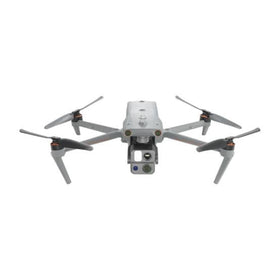
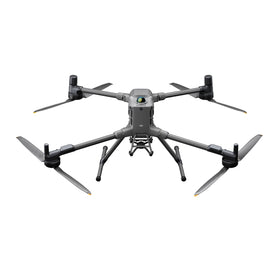
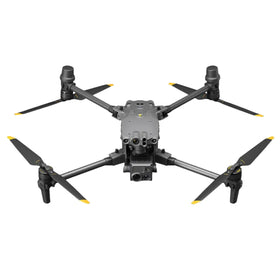
One of the most immediate regulatory spillover effects could be the harmonization of sensor standards and safety case frameworks. Autonomous trucks rely on LiDAR, radar, thermal cameras, and high-definition mapping-the exact same sensor suite that high-end commercial drones use for inspection, surveying, and mapping. As autonomous truck regulations mature, they will create a de facto standard for sensor reliability and redundancy that drone manufacturers must eventually adopt. This is particularly relevant for enterprise drone operators who fly DJI Matrice 300/350 series, Autel EVO Max, or other advanced platforms that share sensor technology with ground vehicles.
For everyday drone pilots and commercial operators, the Einride SPAC signals a tightening of the labor market for autonomy-adjacent skills. As autonomous truck fleets scale, they will compete with drone delivery companies for engineers, remote operators, and compliance specialists. This could drive up wages for experienced Part 107 pilots who understand sensor fusion, mission planning, and risk management. On the hardware side, the increased demand for industrial-grade LiDAR and RTK modules may temporarily raise prices for new drones, pushing cost-sensitive buyers toward the used drone market. At Reboot Hub, we anticipate a surge in interest for inspected pre-owned DJI drones as operators seek to upgrade their fleets without paying the premium for new sensor payloads.
Ready to Upgrade Your Fleet?
Browse our collection of inspected pre-owned DJI drones - inspected, flight-tested, and backed by a 6-month warranty. Save up to 40% versus retail.
What Does Einride's SPAC Mean for Drone Pilots and Commercial Operators?
Q: How does an autonomous truck SPAC affect my Part 107 drone business?
A: Directly, it means the autonomous logistics industry now has a publicly traded lighthouse. When Einride reports earnings, analysts will scrutinize revenue per mile, sensor maintenance costs, and regulatory expansion. These metrics will become benchmarks for investor expectations in drone delivery as well. Indirectly, the SPAC creates a capital shock wave: venture funds and institutional investors that were on the fence about autonomy may now allocate more aggressively, lifting the entire sector. This could lead to more grants and partnerships for drone BVLOS programs, but also more competition for airspace and regulatory attention from the FAA.
Q: Should I expect changes in the second-hand drone market because of Einride's IPO?
A: Yes, in the medium term. The autonomous truck industry's growth will increase demand for high-fidelity sensors-LiDAR modules, thermal cameras, and RTK GPS units. These components are cross-compatible with many commercial drones. As truck fleets expand, sensor prices may rise for new equipment, pushing operators to look for pre-owned DJI drones that already include these sensors. Over the next 6 to 12 months, we expect to see higher turnover in the used drone marketplace as operators sell older M210-series drones to upgrade to M350 RTK units that share sensor technologies with autonomous trucks.
Q: What regulatory shifts can I expect for BVLOS flying now that autonomous trucks are public?
A: Einride's public market debut gives autonomy advocates a powerful narrative of safety and commercial viability. This will likely accelerate the FAA's work on a performance-based BVLOS rule-similar to the framework NHTSA is developing for autonomous trucks. Drone operators should prepare for new requirements around detect-and-avoid systems, redundant communications, and remote identification that mirror the safety case approach used by autonomous ground vehicles. The used drone market may see a premium on platforms that already have high-redundancy flight controllers and ADS-B receivers, as these will become de facto standards for BVLOS operations.
Capital, Competition, and the Future of Autonomous Cargo (Ground and Air)
The Einride SPAC is more than a single-company story-it is a structural inflection point for logistics automation. By going public, Einride will have access to cheaper capital than private drone startup competitors, allowing it to scale manufacturing, expand into new geographies, and invest heavily in R&D for its autonomous driving stack. This could put pressure on drone delivery companies that are still burning cash at high rates. However, the ultimate landscape will likely be multimodal: autonomous trucks will handle long-haul freight, while drones will manage last-mile delivery in dense urban areas and hard-to-reach rural zones.
For Reboot Hub's community, the key takeaway is that the value of autonomous hardware-whether on wheels or on rotors-is only going up. Operators who invest in high-quality drones today will benefit from the same sensor advancement trends that drive truck autonomy. A DJI Matrice 350 RTK, for instance, shares its LiDAR compatibility and RTK correction network with Einride's sensor suite. As the autonomous truck industry drives down the cost of these sensors through economies of scale, drone operators will gain access to better payloads at lower prices.
Moreover, the SPAC signals confidence among institutional investors that autonomous logistics can overcome regulatory hurdles. This confidence is already translating into renewed funding for drone infrastructure companies-UTM providers, vertiport developers, and simulation platforms. For the practicing drone pilot, this means more contract opportunities in inspection, mapping, and delivery as corporate logistics budgets expand to accommodate both ground and aerial autonomy. If you are planning to upgrade your fleet, now is the time to consider our pre-owned DJI drones - fully tested and ready for demanding missions. And if your existing drone needs service, our professional DJI repair services use genuine parts to keep your UAV flying safely.
Frequently Asked Questions
How does Einride's SPAC affect drone delivery companies?
Drone delivery companies may benefit from increased investor confidence in autonomous logistics overall. The SPAC validates the business model of using automation to reduce freight costs, which should lead to more venture capital and public market interest in aerial delivery startups. However, competition for regulatory attention and talent will intensify.
Should drone operators be worried about autonomous truck competition?
Not in the short term. Trucks and drones address different segments of the logistics chain (long-haul vs. last-mile), and the growth of truck autonomy will likely create complementary demand for drone services-especially for time-sensitive deliveries in congested urban areas where trucks are inefficient. The bigger risk is staying with outdated equipment; upgrading to modern sensor platforms can help you remain competitive.
What does Einride's SPAC mean for second-hand drone values?
As new truck fleets absorb industrial-grade sensors, the supply of used automotive LiDAR may increase, but drone-specific sensors remain in high demand. The used drone market is likely to see steady pricing for high-end DJI models, especially those with RTK capability. Operators who sell now may fetch attractive prices if they act before the market saturates with new models that incorporate truck-derived sensor improvements.
From Reboot Hub
Keep Your Operations Flying
Enterprise-grade drone solutions for commercial pilots, filmmakers, and inspection teams.
Pre-owned Fleet
Fully inspected DJI drones with 6-month warranty. Save up to 40%.
Browse Inventory ->