US Army Taps More Tech Executives for Detachment 201: What It Means for Drone Integration
The US Army just swore in three more commercial tech leaders into Detachment 201, accelerating the Pentagon’s bid to inject Silicon Valley speed into military drone programs. For commercial operators flying Part 107 under BVLOS waivers, this signals new dual-use compliance standards and a potential surge in ruggedized, military-grade second-hand platforms hitting the market. Immediate implications for RTK surveying missions, GPS-denied navigation, and the future of DJI’s presence in defense supply chains are critical. Find out why your used drone asset strategy needs to pivot today.

ملاحظات تحريرية
- تجمع هذه المقالة بين التقارير الخارجية المذكورة مع تحليل Reboot Hub's الخاص لمشتري الطائرات بدون طيار ومشغلي الأساطيل وعملاء الإصلاح ومراقبي السوق مستعمل DJI.
- يتم فصل حقائق المصدر عن التفسير. عندما يوفر تقرير بيانات محدودة، تنص المقالة على عرض القيود والإطارات Reboot Hub's كتحليل.
- لدى Reboot Hub روابط تجارية لمنتجات الطائرات بدون طيار وخدمات الإصلاح؛ هذه الروابط هي موارد للقراء ولا تحدد نتيجة المقال.
On June 12, 2026, the United States Army announced it had commissioned a second cohort of technology executives into Detachment 201, a specialized unit designed to bridge the cultural and operational gap between commercial innovation and military requirements. The move, widely seen as a signal that the Pentagon is accelerating its embrace of rapid commercial development cycles, carries profound implications for the global drone industry — from the way UAVs are designed and certified to how used platforms are valued on the secondary market.

Detachment 201, a pilot program under the Army’s Rapid Capabilities and Critical Technologies Office (RCCTO), originally stood up in early 2025 with a single cohort of five executives from defense and commercial tech giants. Now, with three additional leaders drawn from data analytics, autonomous systems, and aerospace manufacturing, the unit is expanding its mandate to include direct feedback loops on acquisition reform, supply chain resilience, and dual-use technology integration. For the commercial drone ecosystem — particularly operators and dealers watching the intersection of civil and military UAV markets — this news is both an opportunity and a warning.
Why Detachment 201 Matters to the Drone Industry
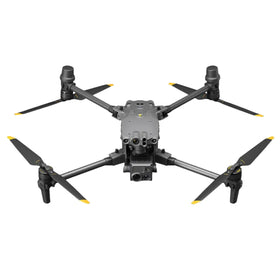
The inclusion of tech executives with deep backgrounds in commercial drone software and hardware signals a hard pivot by the US military away from traditional, decade-long procurement cycles toward agile, commercial-off-the-shelf (COTS) adoption. Brigade-level units have already experimented with DJI Mavic and Matrice platforms for reconnaissance, but political pressure and National Defense Authorization Act (NDAA) provisions have created a complex patchwork of bans and exemptions.
Enterprise procurement
Turn this market signal into a fleet requirement.
Discuss mission profile, quantities, configuration, delivery, and lifecycle support with Reboot Hub.
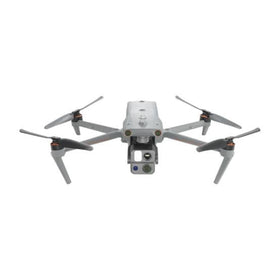
Detachment 201’s new members are expected to develop frameworks that allow the Army to leverage commercial innovation without violating security protocols. One of the key directives is to establish a “dual-use certification path” that would let proven commercial drone designs — such as the Autel EVO Max series or Skydio X10 — move into military supply chains with minimal redesign. This directly impacts the second-hand drone market, as military surplus programs often release older generations of equipment. If the Army commits to a rapid refresh cycle, large numbers of high-spec drones could enter the used channel sooner than expected, depressing prices but offering unprecedented opportunities for civilian operators.
For the everyday Part 107 pilot, the immediate takeaway is a potential change in the regulatory environment. The Federal Aviation Administration (FAA) and Department of Defense collaborate on the Remote ID and BVLOS rulemaking. A more commercially integrated Army may push for relaxed BVLOS restrictions around military airspace, which could set precedents for wider civil access. However, stricter cybersecurity mandates for drones flying near controlled airspace are also likely — increasing the value of platforms with hardened data links and onboard encryption.
Commercial Tech Meets Military Durability
The second cohort executives bring expertise in edge computing, machine vision, and low-swap cold-chain logistics for battery systems. One appointee, a former CTO of a leading autonomous drone delivery startup, has publicly advocated for modular payload architectures that allow rapid swapping of sensors. This aligns with the Army’s desire to move away from single-purpose platforms toward interoperable “airframes” that can be reconfigured for surveillance, logistics, or EW (electronic warfare) within hours.
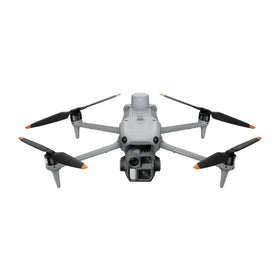
This modular approach will likely influence the refurbished drone market. Currently, used commercial drones like the DJI Phantom 4 RTK or Mavic 3 Enterprise are professionally refurbished and sold to surveyors and construction firms. If the military adopts similar modular designs, the supply of spare parts and upgrade kits could expand dramatically, making pre-owned DJI drones even more attractive to budget-conscious operators who need military-grade reliability without the price tag.
Ready to Upgrade Your Fleet?
Browse our collection of inspected pre-owned DJI drones — inspected, flight-tested, and backed by a 6-month warranty. Save up to 40% versus retail.
The Dual-Use Dilemma: Security vs. Innovation
Detachment 201’s charter explicitly includes addressing the “dual-use dilemma.” For years, the US military has struggled to adopt commercial drone technology because of supply chain vulnerabilities — Chinese-manufactured components in DJI and other brands pose counter-intelligence risks. The second cohort is expected to develop “trusted vendor” lists and software attestation standards that could, paradoxically, open the door for non-Chinese drone manufacturers to become major defense suppliers.
Autel Robotics, Skydio, and the newly resurgent American aerospace startups are already positioning themselves. The announcement of Detachment 201’s expansion has already moved stock prices for US-based drone component makers. For the used drone market, this could mean a glut of DJI platforms as military-grade alternatives proliferate. However, the demand for ruggedized DJI models — which have proven reliability in harsh environments — may remain high in areas not covered by NDAA restrictions, such as agriculture and mining in allied nations.
Operators should closely monitor the certification outcomes from Detachment 201. If the unit mandates NDAA-compliant flight controllers for all military purchases, the resale value of non-compliant drones will drop. Conversely, if they adopt a “risk-based” approach, high-end DJI platforms could hold their value as commercial operators snap up surplus military assets. This fluidity makes the second-hand market both volatile and ripe for arbitrage.
What This Means for Commercial Drone Pilots
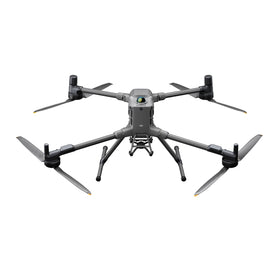
For the 300,000+ registered commercial drone pilots in the United States, the Army’s deepening relationship with tech executives spells a future of both expanded airspace access and stricter hardware requirements. The proposed “dual-use certification” could lead to a new FAA category that fast-tracks BVLOS waivers for drones that meet military-grade cybersecurity standards. This would reward operators who invest in higher-end platforms, such as the DJI Matrice 350 RTK or the newly launched ANAFI USA — both of which are designed with data security in mind.
But there is a flip side: as the military accelerates its adoption of commercial drones, it will absorb a significant chunk of manufacturing capacity, potentially driving up prices for new units and pushing more buyers into the refurbished channel. That's where Reboot Hub’s inventory of clean, flight-tested, and fully warranted drones becomes an essential resource. Every platform we certificated undergoes the same rigorous checks that the Army uses for its own COTS evaluations — including GNSS compass calibration, motor health diagnostics, and camera sensor dead-pixel checks.
Furthermore, the Army’s focus on quick-turnaround logistics for battery swaps and parts replacements mirrors our own service model. If your existing drone needs a new gimbal ribbon cable or a battery firmware update, our professional DJI repair services can bring it back to OEM specification, often at a fraction of the cost of a new unit. Staying ahead of the curve means maintaining your fleet to the same standards that the new Detachment 201 cohort will demand from the Pentagon’s suppliers.
Geopolitical and Market Ripples
The second cohort announcement did not happen in a vacuum. It coincides with NATO’s own push for drone interoperability standards and the EU’s proposed sky-shield air defense program. The appointment of executives with expertise in autonomous swarming and communications relay networks suggests that the Army is preparing for drone-to-drone collaboration at the tactical edge. For the second-hand market, this could mean surplus early-generation swarm-testing drones appearing on the open market within 12–18 months — offering civilian researchers and agricultural operators access to advanced AI processors at used prices.
Today’s date — June 12, 2026 — is exactly four months after the FY2026 defense budget was signed, which included $1.7 billion for drone procurement and counter-drone research. Detachment 201 is seen as the linchpin between that budget and actual field readiness. The sooner they integrate commercial speed, the sooner surplus cycles begin.
Frequently Asked Questions
Will the Army's new tech executives affect drone prices for civilians?
Yes. As the Army absorbs more commercial technology, new unit supply may tighten, pushing civilian buyers toward the inspected pre-owned market. However, a rapid military refresh cycle could eventually dump high-quality used drones into the secondary channel, potentially lowering prices. Reboot Hub tracks these trends to ensure fair pricing and availability.
Do I need to worry about NDAA compliance for my commercial drone?
Only if you plan to fly in airspace where the DoD or DHS has jurisdiction, such as around military bases or critical infrastructure. Most commercial Part 107 operations remain unaffected, but any drone that can capture high-resolution imagery may face future restrictions. Investing in a refurbished DJI drone from a trusted source ensures you have a reliable, verifiable hardware pedigree.
How can I prepare for the coming changes in drone regulations?
Stay informed through Reboot Hub’s market analysis articles, and ensure your fleet is built on modular, upgradeable platforms. The ability to swap payloads — from RTK modules to multispectral cameras — will become a competitive advantage. Reboot Hub’s repair services can upgrade your older airframes to meet evolving standards.
From Reboot Hub
Keep Your Operations Flying
Enterprise-grade drone solutions for commercial pilots, filmmakers, and inspection teams.
Pre-owned Fleet
Fully inspected DJI drones with 6-month warranty. Save up to 40%.
Browse Inventory ->