يشير اختبار الطيران لشركة Eve Air Mobility إلى مرحلة جديدة لأسواق الطائرات بدون طيار والطائرات بدون طيار
تتقدم Eve Air Mobility من المفهوم إلى اختبار الطيران النشط في شهادة Farnborough 2026, المتقدمة. يشير هذا الإنجاز إلى نضوج الطيران الكهربائي على نطاق أوسع، مما يؤثر على تخطيط أسطول مشغلي الطائرات بدون طيار، والقيم السوقية المملوكة مسبقًا، والطلب على خدمات الإصلاح.

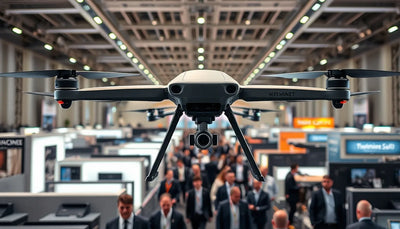
وصلت Eve Air Mobility (NYSE: EVEX، EVEXW؛ B3: EVEB31) إلى معرض 2026 Farnborough الدولي للطيران بأكثر من مجرد مفهوم. لقد انتقل برنامجها الكهربائي للإقلاع والهبوط العمودي (eVTOL) بشكل حاسم إلى ما هو أبعد من دراسات التصميم إلى اختبار الطيران النشط والتقييم والتحسين المستمر، متبعًا مسارًا واضحًا ومنضبطًا نحو الشهادة. بالنسبة لمشغلي الطائرات بدون طيار التجارية، ومديري الأساطيل، والمشترين في سوق الطائرات بدون طيار المملوكة مسبقًا، فهذه ليست قصة فضاء بعيدة. إنها إشارة حول الاتجاه الذي يتجه إليه الطيران الكهربائي، وكيف سيتم تشديد عمليات إصدار الشهادات، وماذا يعني ذلك بالنسبة للمعدات التي تطير بها، وتشتريها، وتصلحها اليوم.
يشارك برنامج Eve's eVTOL التكنولوجيا الأساسية مع الطائرات بدون طيار التي نستخدمها يوميًا - الدفع الكهربائي، وإدارة البطارية، وبرامج التحكم في الطيران، وتكامل المطار الرأسي. عندما يُظهر لاعب رئيسي مثل Eve، المدعوم من شركة Embraer والمتداول علنًا، تقدمًا موثوقًا في الطيران، فإنه يرسل تموجات عبر النظام البيئي للطيران الكهربائي بأكمله. يمكن لمشغلي الطائرات بدون طيار الذين يتتبعون هذه التطورات توقع التحولات التنظيمية وتوافر قطع الغيار وقيم إعادة البيع بشكل أفضل في سوق DJI المستعملة.
التقدم المحرز في اختبار طيران Eve واستراتيجية الاعتماد
وفقًا لبيان الشركة في فارنبورو، فإن برنامج Eve's eVTOL قد انتقل "إلى ما هو أبعد من المفهوم إلى اختبار الطيران النشط والتقييم والتحسين المستمر". وهذا تمييز ذو معنى. لا يزال اعتماد طائرات eVTOL يمثل تحديًا جديدًا لوكالات مثل FAA وEASA، كما أن النهج المنضبط الذي تتبعه Eve - والذي يعتمد على بيانات الطيران الحقيقية بدلاً من عمليات المحاكاة وحدها - يمثل سابقة لجميع الطائرات الكهربائية، بما في ذلك الطائرات بدون طيار التي نعتمد عليها في العمليات التجارية.
Market context
Turn market news into a buy, repair, or trade-in decision.
Compare pre-owned availability, resale timing, and repair economics before the market moves again.

يوصف طريق حواء للحصول على الشهادة بأنه "واضح ومنضبط". في حين لم يتم توفير معالم محددة في الإصدار، فإن التركيز على الاختبار الواقعي يشير إلى أن Eve تعمل على سد الفجوة بين الأداء النظري والسلامة التشغيلية. بالنسبة لمشغلي الطائرات بدون طيار، يعد هذا أمرًا مهمًا لأن معايير الاعتماد لـ eVTOL غالبًا ما تصل إلى أنظمة الطائرات بدون طيار الأصغر حجمًا (UAS). ويستخدم المنظمون نفس منطق الموافقة على أساس المخاطر. تميل عملية إصدار الشهادات المنضبطة في أحد القطاعات الكهربائية إلى تلبية المتطلبات في قطاع آخر.
الآثار العملية: إذا كان أسطولك يتضمن حاليًا طائرات بدون طيار من الجيل الأقدم - خاصة تلك غير المصممة مع أخذ معايير الاعتماد المستقبلية في الاعتبار - فقد تواجه فجوات في الامتثال في وقت أقرب مما كان متوقعًا. يعزز التقدم الذي أحرزته Eve قيمة الاستثمار في المنصات ذات المسارات التنظيمية القوية، مثل نماذج DJI الأحدث التي تتوافق مع Remote ID وتقييمات المخاطر التشغيلية. بالنسبة لأولئك الذين يمتلكون طائرات بدون طيار DJI مملوكة مسبقًا، قد تضيق نافذة إعادة البيع للوحدات المتوافقة تمامًا عندما تصبح الشهادة أكثر تطلبًا.
الإشارات المالية والسوقية لقطاعات الطائرات بدون طيار والطائرات بدون طيار
يوفر الإدراج العام لشركة Eve في NYSE (EVEX) وB3 (EVEB31) نافذة شفافة للتعرف على معنويات المستثمرين حول الطيران الكهربائي. ويؤكد ظهور الشركة في معرض فارنبورو، وهو أحد أكبر فعاليات الطيران في العالم، أن رأس المال المؤسسي يستمر في التدفق إلى النقل الجوي المتقدم حتى مع استمرار عدم اليقين بشأن الجداول الزمنية للإنتاج على المدى القريب. بالنسبة لمشتري الطائرات بدون طيار ومشغلي الأساطيل، فإن بيئة التمويل هذه لها آثار غير مباشرة ولكنها ملموسة.
عندما يقوم مصنعو الطائرات الكهربائية والطائرات العمودية بجمع رأس المال، غالبًا ما تصبح سلاسل التوريد للمحركات الكهربائية والبطاريات والمواد المركبة أكثر إحكامًا وأكثر تكلفة. يمكن أن تتعرض قطع غيار الطائرات بدون طيار - وخاصة مكونات OEM الأصلية - لضغط الأسعار حيث يتنافس مشترو الفضاء الجوي على نفس المدخلات الخام. وعلى العكس من ذلك، فإن التمويل القوي في eVTOL يدفع الابتكار في كثافة البطارية وكفاءة المحركات، وهو ما يفيد منصات الطائرات بدون طيار في نهاية المطاف. المشغلون الذين يخططون للمستقبل من خلال تأمين البطاريات السائبة أو خدمات إصلاح DJI الاحترافية مع الأجزاء الأصلية يمكنها عزل نفسها عن التقلبات قصيرة المدى.
الآثار العملية: شاهد أسهم Eve وجولات التمويل كمؤشر رئيسي لتكاليف مكونات الطائرات بدون طيار. إذا أعلنت Eve عن منحدر إنتاجي، فتوقع ضغطًا تصاعديًا على أجزاء الدفع الكهربائي. هذا هو الوقت المناسب لتقييم خيارات المقايضة للطائرات بدون طيار القديمة. باستخدام أ دليل تجارة الطائرات بدون طيار يمكن أن تساعدك على تحديد وقت التبادل قبل تغير الأسعار.
ماذا يعني هذا بالنسبة لمشتري الطائرات بدون طيار
لأي شخص يشتري طائرة بدون طيار في 2026 — سواء كانت جديدة أو طائرات بدون طيار DJI مملوكة مسبقًا—يجب أن يكون اختبار الطيران الخاص بـ Eve والتقدم المحرز في إصدار الشهادات بمثابة قرارين: طول عمر المنصة وقيمة إعادة البيع.
أولاً، اختر الأنظمة الأساسية التي تم إنشاؤها مع التركيز على الشهادات المستقبلية. يسلط "المسار الواضح لشهادة إيف" الضوء على أن الهيئات التنظيمية على استعداد للموافقة على الطائرات الكهربائية التي تثبت اختبارات صارمة. نماذج الطائرات بدون طيار التي تفتقر إلى وثائق مكافئة - لا توجد سجلات طيران، ولا يوجد سجل صيانة يمكن تتبعه، ولا توجد أجزاء OEM - ستنخفض قيمتها بشكل أسرع في سوق تقدر الامتثال بشكل متزايد. طائرات بدون طيار DJI مملوكة مسبقًا والتي تأتي مع سجلات خدمة تم التحقق منها ومكونات أصلية تحتفظ بقيمتها بشكل أفضل لأنه يمكن إعادة اعتمادها بسهولة أكبر.
ثانيًا، ضع في اعتبارك توقيت عملية الشراء أو الترقية. مع نضوج برامج eVTOL، تنمو ثقة الجمهور في الطيران الكهربائي. وهذا يؤدي إلى توسيع مجموعة المشترين للطائرات بدون طيار المستعملة، وخاصة تلك من العلامات التجارية ذات السمعة الطيبة مثل DJI. إذا كنت تمتلك طائرة ماتريس أو فانتوم قديمة لا تزال تطير بشكل جيد، فقد ترتفع قيمتها التجارية مع اكتساب الطيران الكهربائي قبولاً سائدًا. يمكن لاستراتيجية التجارة المنضبطة - البيع عندما تصل إنجازات الشهادة إلى الأخبار - أن تزيد من عائدك.
الآثار العملية: إذا كنت مدير أسطول تقوم بتقييم عملية شراء جديدة، فقم بإعطاء الأولوية للطائرات بدون طيار التي تشترك في عائلات المكونات مع منصات الجيل التالي. تجنب الأجزاء المتخصصة الفريدة التي قد يصعب الحصول عليها في حالة تغير مستويات الإنتاج. إن شراء المعدات المستعملة التي تم فحصها من مصدر موثوق يضمن حصولك على الوثائق التي تدعم إعادة البيع أو الاستبدال في المستقبل.
دروس تشغيلية لمديري الأساطيل وعملاء الإصلاح
يعد تركيز Eve على "التحسين المستمر" أثناء اختبار الطيران النشط درسًا لصيانة الطائرات بدون طيار وإصلاحها. ولا تنتظر الشركة حتى تصبح الشهادة نهائية لتحسين طائراتها. إنه يتكرر مع البيانات الحقيقية. وبالمثل، يجب على مشغلي الأساطيل التعامل مع الصيانة على أنها عملية مستمرة، وليس حدثًا دوريًا. الاستخدام المنتظم ل خدمات إصلاح DJI الاحترافية التي تستخدم الأجزاء الأصلية التي يتم سحبها من OEM تضمن أن تكون طائرتك دائمًا في حالة استعداد قابل للتحسين.
يجب على عملاء الإصلاح الإصرار على المكونات التي يمكن تتبعها. وكما يتطلب مسار شهادة Eve توثيقًا تفصيليًا لكل اختبار طيران، يجب أن يكون سجل إصلاح الطائرة بدون طيار شفافًا حتى تحتفظ بقيمتها. إن الأجزاء التي يتم سحبها من مصادر OEM من مصادر تم التحقق منها أصبحت مهمة أكثر من أي وقت مضى. يمكن أن تؤدي الإصلاحات غير الأصلية إلى إلغاء الضمان وتقليل سعر إعادة البيع بشكل كبير — غالبًا عن طريق 30–50% في سوق السيارات المستعملة.
الآثار العملية: أنشئ سجل صيانة لكل طائرة بدون طيار في أسطولك. عند إرسال وحدة للإصلاح، اطلب شهادة العمل المنجز والتأكيد على أن جميع الأجزاء هي OEM أو ما يعادلها. ستكون هذه الوثائق مهمة سواء كنت تخطط للاحتفاظ بالطائرة بدون طيار لسنوات أو في النهاية استبدالها من خلال دليل تجارة الطائرات بدون طيار.
كيف يؤثر تقدم شهادة Eve على مشغلي الطائرات بدون طيار بشكل مباشر؟
يؤثر التقدم في عملية الاعتماد في eVTOL على البيئة التنظيمية لجميع الطائرات الكهربائية. عندما تصبح الوكالات أكثر ارتياحًا للموافقة على أنظمة معقدة مثل eVTOL، فقد تطبق منطقًا مشابهًا على الطائرات التجارية بدون طيار، مما قد يؤدي إلى تسريع الموافقات على نماذج الطائرات بدون طيار الجديدة ولكن أيضًا المطالبة بتوثيق أكثر صرامة. يجب على المشغلين البقاء على اطلاع والتأكد من أن طائراتهم تلبي المعايير المتطورة.
هل يجب أن أستبدل طائرتي بدون طيار الحالية بشيء يدعم البنية التحتية لـ eVTOL؟
ليس على الفور. سوف تتطور البنية التحتية للمركبات الكهربائية VTOL، مثل المنافذ العمودية وشبكات الشحن، ببطء. ومع ذلك، إذا كانت طائرتك بدون طيار الحالية تفتقر إلى ميزات الامتثال مثل Remote ID أو سجلات الطيران الشاملة، فقد تنخفض قيمة إعادة البيع مع تحول السوق نحو المنصات الغنية بالبيانات. فكر في المقايضة إذا كان عمر طائرتك بدون طيار أكثر من ثلاث سنوات أو كانت تحتوي على أجزاء غير أصلية. استخدم دليل مقايضة الطائرات بدون طيار لتقييم الخيارات.
أين يمكنني العثور على طائرات DJI بدون طيار وخدمات الإصلاح بقطع غيار أصلية؟
تقدم المصادر ذات السمعة الطيبة مثل Reboot Hub طائرات بدون طيار DJI مملوكة مسبقًا وخدمات إصلاح DJI الاحترافية باستخدام الأجزاء المسحوبة من OEM. ابحث عن الأنظمة الأساسية التي توفر سجل خدمة موثقًا ومصادر شفافة للمكونات. وهذا يضمن احتفاظ أجهزتك بالقيمة ويدعم عملية استبدالها أو إعادة بيعها في المستقبل.
تمت استشارة المصادر
- Source material - primary source
ولم تكن الوثائق الرسمية الإضافية متاحة في وقت النشر.
تضيف افتتاحية Reboot Hub المشتري والإصلاح وإعادة البيع والتحليل التشغيلي لأصحاب الطائرات بدون طيار. إذا اكتشفت خطأ، فاتصل بنا لمراجعة التصحيح من خلال سياستنا التحريرية.