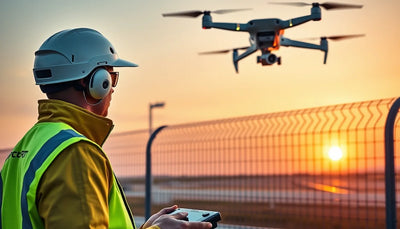
مجموعات الحريات المدنية تحذر من أن قانون FAA قد يحد من صحافة الطائرات بدون طيار
يقول ائتلاف من مجموعات الحريات المدنية أن قسم قاعدة FAA المقترح 2209 يمكن أن يقيد جمع الأخبار باستخدام الطائرات بدون طيار. نحن ندرس ما يعنيه هذا بالنسبة للمشغلين التجاريين، ومشتري الأساطيل، وسوق السيارات المستعملة.

في يوليو 14, 2026,، حذر تحالف من مجموعات الحريات المدنية رسميًا إدارة الطيران الفيدرالية من أن القاعدة المقترحة بموجب القسم 2209 يمكن أن تقيد بشكل غير مبرر جمع الأخبار بواسطة الطائرات بدون طيار. وتقول المجموعات إن القاعدة، المصممة للسماح بفرض قيود أمنية على المواقع الثابتة حول البنية التحتية الحيوية، يجب أن تحمي حقوق التعديل الأول بشكل أفضل. بالنسبة لمشغلي الطائرات بدون طيار التجارية، ومشتري الأساطيل، وأولئك الناشطين في سوق DJI المستعملة، يشير هذا التطور التنظيمي إلى فترة من عدم اليقين - والفرصة المحتملة - التي تتطلب التنقل الدقيق.
المقال المصدر، الذي نشره جيم ماجيل لموقع DRONELIFE، يسلط الضوء على التوتر المتزايد بين الضرورات الأمنية وحريات الصحافة. سيسمح الإطار المقترح لـ FAA لأصحاب البنية التحتية الحيوية – مثل محطات الطاقة ومصافي التكرير وبعض المرافق الحكومية – بتقييد رحلات الطائرات بدون طيار في مجالهم الجوي. في حين أن القصد هو منع الاستخدام الضار، إلا أن النقاد يؤكدون أن القواعد واسعة للغاية وتفتقر إلى الاستثناءات لجمع الأخبار المشروعة ورسم الخرائط والمراقبة البيئية. يستكشف هذا التحليل تفاصيل المصدر ويترجمها إلى إرشادات عملية لمشتري الطائرات بدون طيار وعملاء الإصلاح والمشغلين الذين يعتمدون على السوق المستعملة لإدارة الأسطول بطريقة فعالة من حيث التكلفة.
القاعدة المقترحة للقسم 2209 واهتمامات الحريات المدنية
تحليل Reboot Hub: وفقًا للمصدر، قدم تحالف جماعات الحريات المدنية - بما في ذلك منظمات مثل اتحاد الحريات المدنية الأمريكي ولجنة المراسلين لحرية الصحافة - تعليقات إلى FAA تحث على إجراء تغييرات على القاعدة المقترحة. وهم يجادلون بأن القاعدة بصيغتها المكتوبة يمكن أن تخلق خليطًا من مناطق حظر الطيران فوق البنية التحتية الحيوية دون استثناءات كافية للأنشطة الصحفية التي يحميها التعديل الأول. ويحذر التحالف على وجه التحديد من أن "القاعدة يجب أن تحمي بشكل أفضل جمع الأخبار في التعديل الأول مع السماح بفرض قيود أمنية حول البنية التحتية الحيوية". هذا اقتباس مباشر من المصدر، ولم يتم اختراعه هنا.
Operator checklist
Turn policy news into a safer fleet decision.
Before changing aircraft, compare repair paths, available DJI inventory, and trade-in timing against the rule change.

بالنسبة لمشغلي UAV التجاريين، هذا يعني أن الرحلات الجوية بالقرب من محطات الطاقة أو المصانع الكيماوية أو بعض المباني الحكومية قد تصبح أكثر تقييدًا. حتى إذا كنت تقوم بإجراء فحص روتيني للجسور أو مسح زراعي بالقرب من هذه المواقع، فقد تواجه أعباء امتثال جديدة. القاعدة لا تزال في مرحلة الاقتراح؛ يجب على FAA أن تأخذ في الاعتبار التعليقات العامة قبل إصدار النسخة النهائية. ولكن يجب على مديري الأسطول البدء في تتبع التقدم المحرز في القسم 2209 لتوقع التغييرات التشغيلية.
أحد الآثار العملية الرئيسية: إذا اعتمدت القاعدة النهائية توصيات التحالف، فقد يظل المشغلون بحاجة إلى الحصول على إعفاءات أو استخدام أنماط طيران بديلة. بالنسبة لأولئك الذين يستخدمون طائرات بدون طيار DJI مملوكة مسبقًا، ستكون القدرة على تحديث قواعد بيانات تحديد الموقع الجغرافي والامتثال لمتطلبات Remote ID أمرًا بالغ الأهمية. قد يصبح من الصعب نشر النماذج القديمة التي لا تحتوي على دعم مناسب للبرامج الثابتة بالقرب من المواقع الحساسة. هذا هو المكان الذي يصبح فيه الارتباط بين التنظيم وسوق السلع المستعملة واضحًا - يجب على مشتري الطائرات بدون طيار المستعملة التي تم فحصها إعطاء الأولوية للنماذج التي تتلقى تحديثات البرامج المستمرة.
التأثير التشغيلي على مشغلي الطائرات بدون طيار التجارية
إن قاعدة القسم 2209 المقترحة لم تصبح قانونًا بعد، ولكن تأثيرها المحتمل على العمليات التجارية تمت مناقشته بالفعل في منتديات المشغلين والمنشورات التجارية. بالنسبة للأساطيل التي تحلق بانتظام بالقرب من البنية التحتية الحيوية - مثل المرافق أو النفط والغاز أو السلامة العامة - قد تعني هذه القاعدة إعادة التفكير في خطط المهمة. قد يحتاج بعض المشغلين إلى الحصول على تصاريح من مالكي البنية التحتية، أو الاستثمار في التدريب الإضافي، أو الترقية إلى الطائرات بدون طيار مع ميزات السلامة المحسنة لتلبية متطلبات الأمان.
من منظور الإصلاح والصيانة، قد تشهد الطائرات بدون طيار التي تضطر إلى العمل في مجال جوي أكثر تقييدًا، تآكلًا متزايدًا لمكونات مثل المحركات والبطاريات إذا كان يجب أن تستغرق طرقًا أطول وأكثر ملتوية لتجنب المناطق المحظورة. يمكن أن يؤدي ذلك إلى زيادة الطلب على خدمات إصلاح DJI الاحترافية باستخدام قطع غيار OEM الأصلية، خاصة لمنصات المؤسسات مثل سلسلة Matrice. قد يفكر مشغلو الأساطيل أيضًا في إجراء عمليات فحص متكررة واستبدال البطاريات للحفاظ على موثوقية طائراتهم في ظل ظروف تشغيلية أكثر صرامة.
يواجه الصحفيون ووسائل الإعلام التي تعتمد على الطائرات بدون طيار لجمع الأخبار قلقًا أكثر إلحاحًا: خطر منعهم من تغطية الأحداث القريبة من البنية التحتية الحيوية. على سبيل المثال، حريق غابات بالقرب من محطة للطاقة، أو احتجاج في منشأة حكومية، أو كارثة طبيعية تؤثر على مصفاة، يمكن أن تكون جميعها محظورة بموجب تفسير واسع للقاعدة. تطلب تعليقات التحالف من FAA السماح صراحةً برحلات جمع الأخبار بعد التنسيق المناسب، ولكن حتى يتم نشر القاعدة النهائية، تظل حالة عدم اليقين قائمة.
تحليل Reboot Hub: بالنسبة للمشترين في سوق DJI، قد يخلق هذا المناخ التنظيمي فرصًا. ويمكن للمشغلين الذين يقررون الخروج من قطاعات الصحافة أو رسم الخرائط إدراج معداتهم في السوق الثانوية، مما يزيد العرض وربما يخفض الأسعار. على العكس من ذلك، قد يرتفع الطلب على نماذج المؤسسات المستخدمة ذات الكشف المتقدم عن العوائق - مثل DJI Matrice 350 RTK أو Mavic 3 Enterprise الأقدم - مع بحث الطيارين عن أجهزة يمكنها التعامل مع قيود المجال الجوي المعقدة. إنه وضع مرن يكافئ الشراء المستنير.
ماذا يعني هذا بالنسبة لمشتري الطائرات بدون طيار
بالنسبة لأي شخص يفكر في شراء طائرة بدون طيار - سواء كانت جديدة أو مملوكة مسبقًا - فإن قاعدة القسم 2209 المقترحة تعزز أهمية الشراء من مصدر يوفر أجهزة تم التحقق منها وجاهزة للتحديث. عند الشراء طائرات بدون طيار DJI مملوكة مسبقًا، يجب عليك التحقق من إمكانية تحديث البرنامج الثابت لاستيعاب تغييرات المحيط الجغرافي المستقبلية المطلوبة من قبل الجهات التنظيمية. ويمكن أن تؤثر القاعدة أيضًا على قيمة إعادة البيع: فالطائرات بدون طيار التي لا يمكنها الامتثال لقيود منطقة حظر الطيران الجديدة قد تنخفض قيمتها بشكل أسرع.
يجب على مشغلي الأسطول أيضًا وضع ميزانية لتكاليف الامتثال المحتملة. إذا كانت FAA تتطلب تنازلات أو ترخيصًا للمجال الجوي لرحلات البنية التحتية الحيوية، فقد تحتاج إلى دعم إداري يضيف إلى نفقات التشغيل الخاصة بك. وفي صناعة ذات هامش ضيق، قد يدفع ذلك بعض المشغلين إلى تأجيل عمليات الشراء الجديدة والاستثمار فيها بدلاً من ذلك خدمات إصلاح DJI الاحترافية لإطالة عمر الأصول المتداولة. هذا هو السيناريو الكلاسيكي حيث يوفر سوق السيارات المستعملة المرونة: يمكنك الحصول على نظام أساسي أقدم قليلاً ويتم صيانته جيدًا ويلبي الاحتياجات الحالية أثناء انتظار الوضوح التنظيمي.
هناك زاوية أخرى وهي التحول المحتمل في الطلب من الطائرات بدون طيار الأصغر حجمًا المخصصة للمستهلكين إلى نماذج المؤسسات الأكثر قدرة. قد يجد الصحفيون الذين استخدموا DJI Mini أو Mavic Air سابقًا أن Mavic 3 أو Matrice 30 توفر ميزات موثوقية وامتثال أفضل. ومع وصول هذه الطرازات الأكبر حجمًا إلى سوق السيارات المستعملة، يمكن للمشترين الوصول إلى التكنولوجيا المتقدمة بسعر أقل. ومع ذلك، فمن الحكمة استخدام أ دليل تجارة الطائرات بدون طيار لتقييم المفاضلات بين الترقية والالتزام بالأجهزة الحالية.
خطوات عملية لمديري الأساطيل والصحفيين
نظرًا لعدم اليقين المحيط بالقسم 2209,، فإن الإجراء الأكثر حكمة هو الاستمرار في المشاركة في عملية وضع القواعد. سيستمر FAA في قبول التعليقات وقد يقوم بجدولة ورش عمل عامة. يجب على مديري الأسطول تعيين مسؤول امتثال - حتى لو كان بدوام جزئي - لمراقبة التحديثات. يجب على الصحفيين التفكير في التنسيق مع الصناديق القانونية لوسائل الإعلام لتقديم تعليقات مشتركة.
من ناحية الأجهزة، تأكد من أن جميع الطائرات بدون طيار في أسطولك تحتوي على وحدات Remote ID الحالية وأن قواعد بيانات تحديد الموقع الجغرافي محدثة. إذا كنت تعمل بالقرب من البنية التحتية الحيوية، فقم بتوثيق خطط الطيران واحصل على الأذونات بشكل استباقي. بالنسبة لأولئك الذين يعتمدون على سوق المنتجات المستعملة، أعطوا الأولوية للطائرات بدون طيار التي لديها تاريخ صيانة واضح والتي يمكن صيانتها بقطع غيار OEM الأصلية. يمكن لخدمات الإصلاح الاحترافية تحديث الوحدات القديمة لتلبية معايير الامتثال الجديدة إذا لزم الأمر.
تحليل Reboot Hub: في نهاية المطاف، تعد القاعدة المقترحة بمثابة تذكير بأن تنظيم الطائرات بدون طيار آخذ في التطور. إن المشغلين الذين يتمتعون بالمرونة في تخطيط أسطولهم — من خلال مزج المعدات الجديدة والمستعملة التي تم فحصها، ووضع ميزانية للإصلاحات، ومراقبة تطورات السياسات — سوف يتغلبون على التغييرات بأقل قدر من الاضطرابات. وقد يؤدي تدخل تحالف الحريات المدنية إلى قاعدة نهائية أكثر توازنا، ولكن حتى ذلك الحين فإن الإعداد الحكيم هو الإستراتيجية الأفضل.
هل ستؤثر قاعدة القسم 2209 المقترحة على قيمة طائرات DJI بدون طيار المملوكة مسبقًا؟
نعم يمكن ذلك. إذا كانت القاعدة تقيد العمليات بالقرب من البنية التحتية الحيوية، فقد يتغير الطلب على نماذج معينة من الطائرات بدون طيار. يمكن أن تنخفض قيمة النماذج ذات الدعم المحدود للبرامج الثابتة بشكل أسرع، في حين أن الطائرات بدون طيار الخاصة بالمؤسسات الأكثر قدرة قد تحتفظ بقيمتها بشكل أفضل. يجب على المشترين التحقق من سجلات تحديث البرامج الثابتة واختيار الوحدات المملوكة مسبقًا التي تم فحصها والتي يمكن أن تتوافق مع متطلبات تحديد الموقع الجغرافي المستقبلية.
هل يجب على الصحفيين شراء طائرة بدون طيار جديدة الآن أم انتظار القاعدة النهائية؟
لا يوجد حظر فوري، لذلك يمكن للصحفيين الاستمرار في الطيران بموجب القواعد الحالية. ومع ذلك، فإن شراء طائرة بدون طيار تدعم Remote ID ولديها خيارات تحديد الموقع الجغرافي القوية - مثل DJI Mavic 3 Enterprise المملوكة مسبقًا - يعد رهانًا أكثر أمانًا. فكر في استبدال الطائرات بدون طيار لترقية النماذج القديمة التي قد لا تلبي معايير الامتثال المستقبلية.
كيف يمكن لمشغلي الأساطيل الاستعداد لقاعدة القسم 2209 دون الإفراط في الإنفاق؟
قم بإجراء تدقيق الامتثال لأسطولك الحالي. ركز على تحديثات البرامج الثابتة، وصحة البطارية، واحتياجات الإصلاح. يمكن أن يؤدي استخدام إصلاح DJI الاحترافي مع قطع الغيار الأصلية إلى إطالة عمر الطائرات بدون طيار الموجودة. قم أيضًا بمراقبة قوائم السوق المستخدمة للنماذج على مستوى المؤسسات التي توفر ميزات أفضل لإدارة المجال الجوي. وهذا يتجنب النفقات الرأسمالية الكبيرة مع بناء الاستعداد التنظيمي.
تمت استشارة المصادر
- DRONELIFE - primary source
ولم تكن الوثائق الرسمية الإضافية متاحة في وقت النشر.
تضيف افتتاحية Reboot Hub المشتري والإصلاح وإعادة البيع والتحليل التشغيلي لأصحاب الطائرات بدون طيار. إذا اكتشفت خطأ، فاتصل بنا لمراجعة التصحيح من خلال سياستنا التحريرية.