Wedbush Sees AeroVironment and Kratos as Long-Term Defense Winners
Wedbush analysts call AeroVironment and Kratos long-term winners in defense tech despite recent market concerns. Drone buyers and fleet operators should watch how defense trends influence commercial drone supply, parts availability, and the pre-owned DJI market.

In a recent note that caught the attention of defense investors and drone industry watchers, Wedbush analysts reaffirmed confidence in AeroVironment (AVAV) and Kratos Defense & Security Solutions (KTOS), calling both companies long-term winners in the evolving defense technology landscape. The report arrives against a backdrop of broader market uncertainty, yet the analysts see each firm occupying a distinct and durable position within the defense ecosystem.
For readers of Reboot Hub—whether you operate a commercial fleet, manage a repair shop, trade pre-owned DJI drones, or simply follow the financial currents that shape the drone industry—this analysis matters. Defense sector movements often foreshadow shifts in commercial drone supply chains, parts availability, and even the value of second-hand equipment. Here is what the Wedbush call means, broken down for operators and buyers.
The Wedbush thesis: Distinct roles in defense tech
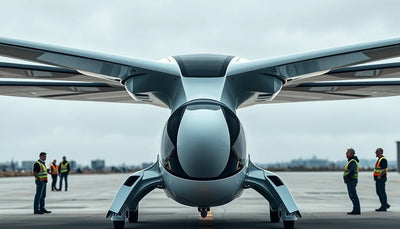
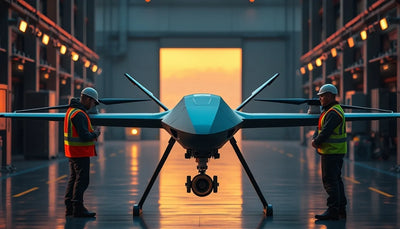
Wedbush's confidence in AeroVironment and Kratos is rooted in each company's unique footprint. AeroVironment is widely recognized for its small, man-portable tactical unmanned systems, which are used by military forces around the world for intelligence, surveillance, and reconnaissance as well as precision strike missions. Kratos, on the other hand, focuses on larger jet-powered drones, target drones, and high-speed unmanned systems designed for contested environments. The analysts argue that this differentiation allows both companies to capture growth without directly competing, and that the long-term demand for unmanned aerial systems from defense budgets will sustain their trajectories.
Fleet readiness
Keep DJI hardware available without overbuying new units.
Use defense and fleet news as a planning signal for repair support, inspected pre-owned aircraft, and replacement timing.

The source note does not provide specific contract values or model names, but the general direction is clear: governments are expected to continue investing in drone technology at a pace that outpaces many other defense segments. For commercial operators, this reinforces a trend already visible—military-grade research and development often trickles into civilian products over time, particularly in areas like sensor miniaturization, secure communications, and battery endurance. Fleet managers planning their equipment roadmaps should keep an eye on these same innovation streams.
Implications for the defense drone supply chain
When analysts like Wedbush flag AeroVironment and Kratos as long-term winners, they are implicitly betting that procurement budgets will stay elevated for tactical and combat drones. That has tangible consequences for parts suppliers, maintenance networks, and the broader distribution of drone components. Defense prime contractors typically get first access to cutting-edge microelectronics, motors, and composite materials. Commercial buyers, including those who fly DJI platforms, sometimes experience knock‑on effects—wait times for certain sensors or batteries may stretch when defense orders ramp up.
Repair customers and shops that rely on genuine OEM spare parts should monitor these dynamics. If defense demand tightens supply for key components, certified repair centers could face longer lead times. On the positive side, the heavy defense investment often accelerates reliability testing and certification of components, which can eventually benefit aftermarket repair quality. For now, the Wedbush call suggests that the defense drone ecosystem is healthy enough to support sustained research, manufacturing, and spare-part production.
What this means for drone buyers
Commercial drone buyers and fleet operators may wonder how a defense stock note relates to their day‑to‑day purchasing decisions. The connection is indirect but real. When defense primes like AeroVironment and Kratos strengthen their order books, the entire supplier base becomes more robust, from motor manufacturers to flight controller makers. That can lead to more reliable sourcing for civilian platforms over time. Conversely, if defense spending were to contract, some component makers might shift capacity away from drone-grade goods, potentially reducing options for commercial buyers.
Another angle is the pre-owned market. Defense‑grade technology often drives depreciation patterns for civilian drones because military users tend to auction off older equipment faster, putting pressure on used prices. However, with Kratos and AeroVironment likely to be active in upgrades, the flow of used military drones onto the civilian market could remain relatively slow, which might help stabilize values for pre-owned DJI drones and other commercial UAVs. Buyers looking for a reliable entry point into high-quality, inspected equipment without paying retail premiums can still find attractive options, especially if they monitor trade-in programs.
The practical takeaway for any drone buyer: pay attention not just to current spec sheets, but also to the health of the companies that shape the broader unmanned aviation landscape. A strong defense sector tends to produce a richer ecosystem of parts, trained technicians, and aftermarket support. For now, the Wedbush analysis signals that the fundamental demand for drones—both military and commercial—remains solid.
Repair ecosystem, parts availability, and the second-hand market
Drone repair services, whether they handle DJI platforms or other brands, operate within a parts supply chain that is influenced by both civilian and military demand. The Wedbush note indirectly supports the view that long-term government programs will keep many high‑end components in production. That helps ensure that genuine OEM spare parts remain available for professional repair work, even as certain commercial drone models are phased out by manufacturers.
For repair shops, the message is cautiously positive: the defense sector's sustained appetite for unmanned systems will likely keep upstream factories running, which in turn reduces the risk of sudden obsolescence for commonly used electronics and structural parts. Shops that invest in professional DJI repair services using genuine parts can expect that supply lines will remain resilient, especially for components shared across military and enterprise platforms.
In the second-hand space, the pre-owned DJI market continues to serve operators who need cost‑effective entry or fleet expansion. Defense trends can affect this market in two ways. First, if new defense contracts keep military users locked into high‑performance drones, those platforms rarely reach the general resale channel, which supports prices for civilian pre-owned units. Second, any major shift in defense procurement toward a specific class of drone could push some older commercial models into surplus, lowering prices. Fleet managers running mixed inventories should watch defense procurement announcements as a potential signal for when to buy or sell used equipment.
A simple operational move for repair customers and fleet managers: stay in touch with trade‑in programs that allow you to upgrade older drones while maintaining parts continuity. The drone trade-in guide from Reboot Hub is a practical starting point for understanding how to value your current fleet against market conditions influenced by defense spending cycles.
What should I do differently after reading this analysis?
Fleet managers and repair shop owners should factor defense industry health into their broader risk assessment. When prime defense contractors like AeroVironment and Kratos are seen as long-term winners, the component supply chain is likely to remain stable. That means less urgency to stockpile spare parts and more confidence in planning multi‑year repair contracts. For individual buyers, the takeaway is that the drone market’s foundation is solid, and purchasing pre-owned equipment through reputable channels remains a sound financial decision.
Does Wedbush's call directly affect DJI drone prices?
Not directly, because DJI is a Chinese manufacturer and does not compete in the same segment as AeroVironment or Kratos. However, defense spending trends influence the overall drone component market, which can affect the cost of sensors, batteries, and processors used in all civilian drones. A thriving defense sector often means more R&D dollars flowing into technologies that later become standard in commercial drones, potentially increasing the value of newer pre-owned models when they come to market.
Should I invest in AVAV or KTOS based on this article?
This article is an editorial analysis for drone operators, not investment advice. Wedbush’s report provides a positive long‑term view, but stock prices are influenced by many factors beyond a single analyst note. Drone buyers and repair customers should focus on operational implications rather than financial speculation. If you are considering investment, consult a qualified financial advisor and conduct your own research.