Reboot Hub 無人機情報
Advertisement
新聞動態  /  產業熱點分析  /  Washington Commercial Drone Registration Fee Jumps to $150...
法規

Washington Commercial Drone Registration Fee Jumps to $150 in 2027

Washington state will raise the commercial drone registration fee from $15 to $150 per aircraft annually starting January 2027, according to DroneXL.co. The increase was included in legislation that repealed the state's luxury jet tax, shifting aviation revenue pressure onto commercial unmanned operators.

Washington Commercial Drone Registration Fee Jumps to $150 in 2027

Quick answer

Washington will charge commercial drone operators $150 per aircraft per year starting January 2027, up from $15, under the bill that repealed the state's luxury jet tax.

  • The fee takes effect January 2027 and applies per commercial aircraft annually.
  • The increase was reported by DroneXL.co as part of the luxury jet tax repeal legislation.
  • Fleet operators with multiple aircraft will see registration costs rise tenfold per unit.
  • The change affects commercial operators in Washington state specifically.

Evidence: DroneXL.co

Operator checklist

Turn policy news into a safer fleet decision.

Before changing aircraft, compare repair paths, available DJI inventory, and trade-in timing against the rule change.

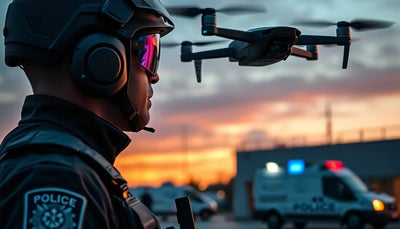
Washington Commercial Drone Registration Fee Jumps to $150 in 2027 - Reboot Hub editorial image
Reboot Hub 為此無人機產業分析所提供的編輯圖片。

Verified facts

What the available evidence confirms

Fee element Current fee New fee from January 2027
Washington commercial drone registration per aircraft per year $15 $150
Change Baseline Tenfold increase

Washington state is preparing a sharp increase in the cost of registering commercial drones, and the change will ripple through fleet budgets, repair decisions, and the second-hand DJI market. According to reporting from DroneXL.co, commercial drone operators in Washington will pay $150 per aircraft each year starting in January 2027, up from the current $15 annual fee. The tenfold jump was included in legislation that repealed the state's luxury jet tax.

The development matters because Washington has an active commercial drone sector spanning agriculture, infrastructure inspection, surveying, and public safety support. A per-aircraft fee increase of this size changes the math for operators who run multiple airframes, keep backup units, or rotate pre-owned DJI aircraft through active service. DroneXL.co is the primary reporting source for the fee change, and the report should be read as a source-limited account until official state documentation is published.

What the fee change actually does

The reported change moves Washington's commercial drone registration cost from $15 per aircraft per year to $150 per aircraft per year. The effective date is January 2027, which gives operators a runway of roughly four months to plan. The fee applies per aircraft, meaning an operator with five commercial drones would see annual registration costs rise from $75 to $750 under the reported structure.

DroneXL.co frames the increase as part of the bill that repealed Washington's luxury jet tax. The fee structure appears to shift aviation-related revenue expectations toward commercial unmanned aircraft operators. Reboot Hub analysis suggests this is consistent with a broader pattern of states looking for stable revenue streams as drone activity grows, though the specific legislative trade-offs in Washington remain tied to the single source report.

What this means for drone owners and the market

For single-aircraft operators, the jump from $15 to $150 is noticeable but unlikely to end a commercial operation. For fleet managers, the impact compounds quickly. A ten-aircraft operation would face $1,500 in annual registration costs under the reported fee, before insurance, maintenance, batteries, or repair expenses. Operators who keep spare airframes for redundancy or seasonal work will now have a stronger incentive to evaluate whether every aircraft in the fleet justifies its registration cost.

The pre-owned DJI market could feel a secondary effect. Buyers who previously treated an inexpensive second-hand DJI Mavic or Phantom as a low-cost entry point into commercial work may now need to factor a $150 annual registration line item into their total cost of ownership. Sellers in Washington may also see slightly softer demand for older airframes that no longer earn their registration fee. Operators reviewing their fleet costs can use resources like the Drone Wiki to compare platform options and ownership considerations before committing to another registered aircraft.

Repair decisions also intersect with the fee change. An operator facing a $150 registration renewal on an aging airframe may weigh whether a repair bill is worth extending the aircraft's service life or whether retiring the unit makes more financial sense. Genuine OEM spare parts and professional DJI repair remain relevant for keeping inspected pre-owned aircraft operational, but the registration cost adds a fixed overhead that makes marginal airframes harder to justify. For owners evaluating service and lifecycle risk, Drone Wiki explains the relevant repair, parts, resale, or operational path.

Planning for January 2027

Operators in Washington should start reviewing their active aircraft list now. The most direct action is to identify which drones genuinely earn revenue, which are backups, and which are idle. Under the reported fee structure, an idle commercial aircraft costs $150 per year just to remain registered. That is a concrete, avoidable cost for operators who trim their fleet before the January 2027 effective date.

Buyers considering a pre-owned DJI platform for commercial use in Washington should include the $150 annual fee in their purchase decision. A $600 pre-owned drone carries a different cost profile when the first year of operation includes a $150 registration fee, plus any required maintenance or battery replacement. Fleet operators with multi-year planning horizons should also consider whether the fee could change again, since the reported increase arrived as part of a broader tax repeal package rather than a standalone drone policy.

Broader regulatory signal for commercial operators

Washington's reported fee increase is a state-level development, but it signals a direction that commercial operators in other states should watch. As drone activity expands, state governments are looking more closely at registration, permitting, and fee structures as revenue and oversight tools. A tenfold increase in a single state does not mean other states will follow immediately, but it does suggest that commercial drone registration is no longer a negligible line item in every jurisdiction.

For operators who work across state lines, the patchwork of state-level fees adds complexity. A Washington-based operator who also flies in Oregon or Idaho must track different fee schedules and registration requirements. The practical response is to treat state registration costs as a recurring operational expense, not a one-time administrative detail. DroneXL.co's report provides the central fact set for Washington, and operators should monitor official state communications for confirmation of the exact implementation details.

FAQ

Frequently asked questions

When does the Washington commercial drone fee increase take effect?

According to DroneXL.co, the new $150 per aircraft annual fee takes effect in January 2027, replacing the current $15 fee.

Does the $150 fee apply to every drone a commercial operator owns?

The reported fee is per aircraft per year, so a commercial operator with multiple registered drones would pay $150 for each aircraft annually.

How should Washington drone operators prepare for the fee increase?

Operators should review their active fleet, retire idle aircraft before January 2027, and include the $150 per-aircraft fee in purchase and repair decisions for any new or pre-owned commercial drone.

Which sources support this update?

The visible evidence links identify DroneXL.co; each source is used only for the claim it directly supports.

What remains subject to change?

Retail pricing, availability, product bundles and regulatory timelines can change. Readers should verify the latest terms with the named retailer, manufacturer or regulator before acting.

How should buyers or operators use this analysis?

Use the verified facts as a starting point, then compare mission fit, lifecycle support, maintenance needs and current procurement terms before making a purchase or fleet decision.

Advertisement
Advertisement
Advertisement

參考來源

發佈時尚未取得其他官方文件。

Reboot Hub 編輯部為無人機所有者提供購買、維修、轉售及營運分析。若發現錯誤,請根據我們的編輯政策聯絡我們進行更正審查。

法規 無人機產業分析
Advertisement