SkyRover X1 vs DJI Mini 4 Pro: Alaska Wilderness Test Analysis
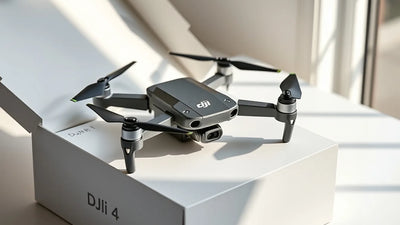
A field test in Alaska pitted the new SkyRover X1 against the DJI Mini 4 Pro. The results offer insights for sub-250g buyers, repair compatibility, and potential shifts in the used drone market. Here's what operators need to consider.

編輯註釋
- 本文結合了指定的外部報導與 Reboot Hub 自身的分析,旨在為無人機買家、機隊營運商、維修客戶及二手 DJI 市場觀察者提供參考。
- 來源事實與解讀分開處理。當報導提供的資料有限時,文章會註明該限制,並將 Reboot Hub 的觀點定義為分析。
- Reboot Hub 設有無人機產品與維修服務的商業連結;這些連結為讀者資源,不會決定文章的結論。
The sub-250-gram drone category gained a new contender this week as the SkyRover X1 was put through a head-to-head field test against the DJI Mini 4 Pro in the Alaska wilderness. According to a detailed account by DroneXL, the comparison revealed performance differences that matter for anyone evaluating a lightweight drone purchase, especially operators who rely on portability and cold-weather capability. For existing Mini 4 Pro owners and those eyeing the second-hand market, the arrival of a credible alternative may shift inventory values and repair strategy decisions.

Alaska field test findings
DroneXL’s test placed both drones in demanding Alaska wilderness conditions—cold ambient temperatures, variable lighting, and remote operating environments. Both the SkyRover X1 and the DJI Mini 4 Pro fall under the 249-gram weight threshold, meaning they avoid many regulatory restrictions in regions that exempt sub-250g platforms from registration or licensing. The test highlighted that the SkyRover X1 holds its own in stabilizing flight and camera performance, though the Mini 4 Pro remains the benchmark for polish and proven reliability.
One area that stood out was the SkyRover X1’s approach to obstacle avoidance and battery endurance. The source noted surprises in how the two drones handled wind gusts and cold soak effects on battery voltage. While specific figures were not disclosed in the source overview, the operational takeaway is clear: operators who plan to fly in demanding weather should test any new platform thoroughly before committing to fleet integration.
The test also touched on image quality, control latency, and transmission stability. Both drones produced footage suitable for social media and light commercial work, but the Mini 4 Pro’s mature software ecosystem—including DJI’s Fly app and intelligent flight modes—offers an advantage that SkyRover will need to address in future firmware updates.
What this means for drone buyers
For buyers weighing a purchase between the SkyRover X1 and the DJI Mini 4 Pro, the Alaska test underscores several key considerations. First, ecosystem maturity matters. DJI has years of accessory support, third-party filter options, battery charging hubs, and a vast installed base of pilots who can offer troubleshooting advice. The SkyRover X1, as a newer entrant, still lacks that breadth of aftermarket support.
Commercial drone planning
Build the next fleet step around inspected hardware and serviceable parts.
Use Reboot Hub to compare certified DJI drones, repair options, and OEM components before the market moves again.
Second, repair and parts availability are critical for long-term ownership. DJI’s network of authorized service centers and OEM spare parts is well established. Buyers who choose the SkyRover X1 should verify that replacement parts—such as propellers, gimbal assemblies, and main boards—are readily available and reasonably priced. The Reboot Hub professional DJI repair service and OEM spare parts collection exist specifically because DJI owners expect fast, genuine-component turnaround. For the SkyRover X1, no equivalent infrastructure is yet public.
Third, evaluate total cost of ownership. The Mini 4 Pro may have a higher upfront price, but its resale value has historically held well due to strong demand in the second-hand market. A new competitor could push used Mini 4 Pro prices downward, which is good news for budget-conscious buyers but a potential loss for current owners looking to upgrade.
Finally, test flight performance in your own typical conditions. The Alaska wilderness is far from every operator’s environment. If you fly mostly in mild urban settings, the differences observed in cold, remote conditions may not apply. But if you operate in northern latitudes or at altitude, the SkyRover X1’s cold-weather behavior deserves close attention.
Repair and compatibility considerations
The repair ecosystem is where the comparison becomes most practical for fleet operators and individual owners. DJI’s extensive network includes certified refurbished drones, professional repair services, and genuine OEM spare parts. The company’s repair turnaround times are well documented, and parts diagrams are publicly available for self-repair. This predictability reduces downtime when a drone is damaged in the field.
For the SkyRover X1, repair infrastructure remains nascent. At this stage, owners may need to ship the drone back to SkyRover directly, with uncertain turnaround times and cost estimates. There is also no publicly available list of authorized independent repair shops or third-party spare parts suppliers. Buyers should factor this uncertainty into their purchasing decision, especially if they plan to fly frequently in risky environments where crashes are more likely.
Compatibility with existing accessories is another factor. The Mini 4 Pro uses ND filters, landing gear extensions, and charging accessories that are widely available across multiple brands. The SkyRover X1 may require dedicated accessories that are not yet stocked by major retailers. Fleet managers who standardize on DJI will face migration costs if they add SkyRover units, including additional battery chargers, cases, and training materials.
For operators who already own a Mini 4 Pro and are considering adding a SkyRover X1 as a secondary platform, the lack of common spare parts and chargers means duplicating support logistics. That may be acceptable for hobbyists but inefficient for commercial fleets.
Second-hand market impact and fleet planning
Whenever a credible alternative enters a dominant product category, the second-hand market reacts. Used DJI Mini 4 Pro units may begin to see downward price pressure as some owners sell to fund a SkyRover X1 purchase or as buyers pause their purchasing decisions to compare. For now, the Mini 4 Pro’s reputation for reliability and software support will likely keep its depreciation curve relatively shallow, but the gap between new and used could widen in the coming months.
This creates an opportunity for buyers who are price sensitive. A gently used Mini 4 Pro, perhaps with a known repair history, can often be found at a meaningful discount. Those units can be restored to like-new condition through a professional DJI repair service and then flown for many more cycles. Reboot Hub’s certified refurbished DJI drones inventory sources from such trade-ins and repairs, offering buyers a lower-cost entry point with a warranty.
Fleet operators should monitor the second-hand market for trade-in opportunities. If the SkyRover X1 gains traction, DJI may respond with pricing adjustments on the Mini 4 Pro or with a successor model. Selling existing Mini 4 Pro units now, while demand is still steady, could fund an upgrade path. Conversely, holding onto them may see values dip further as the competitive landscape evolves.
The key signal from this test is that the sub-250g segment is no longer a one-brand game. Three years from now, the used market may have multiple players with overlapping capabilities, which benefits buyers but complicates fleet planning. Stock watchers and sector investors should note that the barrier to entry for drone hardware is lowering, and new brands can challenge incumbents on specific performance axes.
Should I buy the SkyRover X1 or a used DJI Mini 4 Pro?
That depends on your tolerance for repair risk and your need for proven reliability. If you want immediate access to an established service network and parts supply, a used Mini 4 Pro from a certified source is a safer bet. If you value the latest hardware design and can accept longer repair waits, the SkyRover X1 may be worth the gamble.
How does the repair ecosystem compare between SkyRover X1 and DJI Mini 4 Pro?
DJI has a mature ecosystem with authorized repair centers, OEM spare parts availability, and a large community of independent repair technicians. SkyRover’s support infrastructure is still developing; parts and service details are limited. Buyers should plan for potential downtime if choosing the X1.
Will the SkyRover X1 affect resale value of my Mini 4 Pro?
It may put slight downward pressure on used Mini 4 Pro prices as buyers gain a competitive option. However, DJI’s brand strength and software ecosystem should limit depreciation. If you plan to sell, doing so sooner rather than later could capture higher value.
From Reboot Hub
Build the next fleet step around inspected hardware and serviceable parts.
Use Reboot Hub to compare certified DJI drones, repair options, and OEM components before the market moves again.
Certified DJI drones
Inspected pre-owned aircraft with warranty coverage and clear condition grading.
Browse inventory ->Genuine-part repair
Diagnostics, repair planning, and component replacement for working DJI fleets.
Book a repair ->OEM spare parts
Batteries, propellers, gimbals, and essential DJI components for faster recovery.
Shop parts ->