Red Cat's $250M Steyr Motors Bid Signals Defense Drone Consolidation
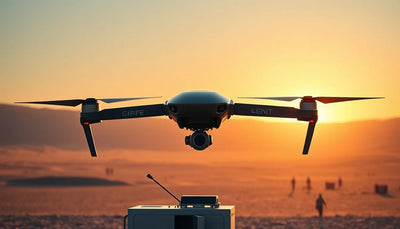
Red Cat Holdings has proposed a $250 million acquisition of engine maker Steyr Motors, a move that would deepen its autonomous military drone capabilities while defense technology valuations face pressure. The reported bid highlights how hardware supply chains are becoming strategic assets for drone manufacturers.

Quick answer
Red Cat Holdings has proposed a $250 million purchase of engine maker Steyr Motors to expand its autonomous military drone capabilities, according to a Yahoo Finance report.
- The reported bid would give Red Cat direct control over an engine supplier for defense UAV platforms.
- The move comes as defense technology valuations face downward pressure.
- Vertical integration of propulsion hardware could reshape parts availability and maintenance planning for military drone fleets.
- Commercial drone operators should watch whether defense supply chain consolidation affects broader component markets.
Evidence: Source material
Fleet readiness
Keep DJI hardware available without overbuying new units.
Use defense and fleet news as a planning signal for repair support, inspected pre-owned aircraft, and replacement timing.

Verified facts
What the available evidence confirms
| Aspect | Reported Detail |
|---|---|
| Buyer | Red Cat Holdings |
| Target | Steyr Motors |
| Reported deal value | $250 million |
| Strategic focus | Autonomous military drone capabilities |
| Market context | Sliding defense tech valuations |
Red Cat Holdings has reportedly proposed a $250 million acquisition of engine maker Steyr Motors, a transaction that would expand the company's autonomous military drone capabilities at a moment when defense technology valuations are under pressure. The development was reported by Yahoo Finance, which framed the bid as a positive signal for defense stocks despite broader market softness in the sector.
For commercial drone operators, fleet managers, and repair customers, the reported bid matters less for the headline number and more for what it reveals about how drone manufacturers are thinking about supply chains. Engine production, propulsion hardware, and component-level control are becoming strategic priorities, not just procurement line items. When a drone maker moves to own its engine supplier, the downstream effects can reach parts availability, maintenance cycles, and long-term platform support.
The reported bid and its strategic logic
According to the Yahoo Finance report, Red Cat's proposed purchase of Steyr Motors would bring engine manufacturing in-house for a company that has positioned itself around autonomous military systems. Steyr Motors is an established engine maker, and the reported $250 million valuation reflects both the target's industrial base and the strategic premium Red Cat appears willing to pay for propulsion control.
The timing is notable. Defense technology valuations have slid in recent periods, creating conditions where acquisitions can look more attractive than organic expansion. A company with cash or equity currency can acquire critical suppliers at valuations that may be more favorable than during peak market enthusiasm. Reboot Hub analysis suggests this is a familiar pattern in defense hardware: when public market sentiment cools, well-capitalized platform companies consolidate suppliers to lock in capability and margin.
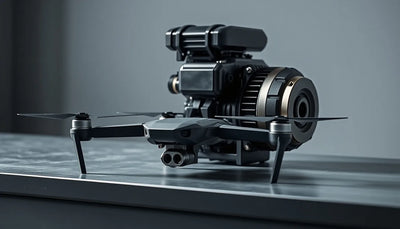
For readers tracking defense drone procurement, the reported bid signals that propulsion is no longer a commodity input. Engine reliability, fuel efficiency, and integration with autonomous flight control systems directly affect mission performance. Owning that layer gives a drone manufacturer more control over product roadmaps and fewer dependencies on third-party supplier timelines.
Supply chain control and parts implications
The reported acquisition would give Red Cat direct oversight of engine production for its military UAV platforms. That kind of vertical integration has practical consequences for how parts flow through maintenance and repair channels. When a drone maker owns the engine supplier, it can prioritize internal platform needs, adjust production schedules, and potentially standardize engine interfaces across multiple airframes.
For fleet operators, the lesson is that propulsion components are becoming a bottleneck in defense drone programs. Engines are not easily swapped between platforms, and lead times for specialized military-grade propulsion hardware can stretch significantly. A manufacturer that controls its engine source can reduce that risk, but it also concentrates supply in fewer hands. Operators running mixed fleets should monitor whether consolidation limits third-party parts availability or creates longer service queues for non-integrated platforms.
Commercial drone buyers and repair customers may not directly purchase Steyr Motors hardware, but the same supply chain logic applies to the broader UAV market. OEM-pulled parts, genuine OEM spare parts, and professional repair services all depend on manufacturers maintaining predictable component pipelines. When defense contractors consolidate propulsion suppliers, it can pull engineering talent and production capacity away from adjacent commercial segments, at least temporarily.
What this means for drone owners and the market
The reported Red Cat-Steyr Motors bid is a market structure signal as much as a corporate finance story. Defense drone manufacturers are responding to valuation pressure by buying capability rather than building it from scratch. That pattern tends to accelerate consolidation in component categories that are hard to replicate quickly: engines, flight controllers, sensor packages, and secure communications modules.
For a drone owner or repair customer, the practical takeaway is to pay closer attention to where critical components originate. A platform that depends on a single engine supplier, a single flight controller vendor, or a single sensor manufacturer carries different maintenance risk than a platform with multiple qualified sources. When consolidation reduces the number of independent suppliers, lead times and pricing can shift even for operators who never touch a military contract. Reboot Hub's Drone Wiki provides reference material that can help operators understand component dependencies and maintenance planning across different drone platforms.
For pre-owned DJI drone buyers, the defense consolidation story is indirect but not irrelevant. DJI dominates the commercial and consumer drone market with a vertically integrated supply chain that already includes significant in-house component production. That model has proven resilient precisely because it reduces exposure to third-party supplier disruption. When defense-focused competitors pursue similar integration, it validates the strategic value of controlling propulsion and other core hardware. Pre-owned DJI drones, inspected and supported with genuine OEM spare parts, remain attractive partly because DJI's supply chain control supports predictable parts availability and repair workflows. For owners evaluating service and lifecycle risk, Drone Wiki explains the relevant repair, parts, resale, or operational path.
Fleet managers should treat this reported bid as a reminder to document component sourcing for every airframe in operation. Knowing whether an engine, motor, or flight controller has a single qualified source helps prioritize spare parts purchasing and maintenance scheduling. If a critical supplier is acquired or reprioritized, operators with documented alternatives can respond faster than those relying on a single procurement channel.
Defense market outlook and commercial spillover
The Yahoo Finance report framed Red Cat's proposed Steyr Motors purchase as a good sign for defense stocks, suggesting that strategic buyers still see value in defense hardware even as public market valuations slide. That divergence between strategic acquisition activity and public market sentiment is worth watching. When companies buy suppliers at reported premiums while their own shares trade at compressed multiples, it can indicate that insiders see long-term demand that public markets are temporarily discounting.
Defense drone demand remains tied to government procurement cycles, which do not move in lockstep with commercial technology markets. Military buyers prioritize reliability, security, and supply chain assurance over price sensitivity. That creates room for manufacturers to invest in vertical integration even during valuation downturns. For commercial operators, the spillover effect often appears in component pricing and availability. If defense programs absorb more engine and propulsion capacity, commercial drone manufacturers may face longer lead times or higher costs for comparable hardware.
Reboot Hub analysis suggests that operators should monitor whether the reported Red Cat-Steyr Motors transaction, if completed, triggers follow-on consolidation in adjacent component categories. Engine suppliers, propulsion system integrators, and specialized avionics vendors could become acquisition targets for drone manufacturers seeking similar control. Each consolidation event reduces the number of independent suppliers and shifts bargaining power toward integrated platform companies.
For buyers evaluating new or pre-owned drone platforms, the strategic question is whether the manufacturer controls enough of its supply chain to support long-term maintenance and parts availability. A platform with a fragmented supplier base may offer lower upfront cost but higher operational risk over a multi-year service life. A platform with integrated propulsion and flight control, supported by genuine OEM spare parts and professional repair infrastructure, offers more predictable total cost of ownership.
FAQ
Frequently asked questions
What did Red Cat reportedly propose to acquire?
According to the Yahoo Finance report, Red Cat Holdings proposed a $250 million acquisition of engine maker Steyr Motors to expand its autonomous military drone capabilities.
Why does the reported bid matter for defense drone supply chains?
The bid signals that propulsion hardware is becoming a strategic asset rather than a commodity input. Owning an engine supplier gives a drone manufacturer more control over product roadmaps, parts availability, and maintenance cycles.
How should commercial drone operators respond to defense supply chain consolidation?
Operators should document component sourcing for each airframe, prioritize spare parts for single-source components, and consider platforms with integrated supply chains that support predictable maintenance and repair workflows.
Which sources support this update?
The visible evidence links identify Source material; each source is used only for the claim it directly supports.
What remains subject to change?
Retail pricing, availability, product bundles and regulatory timelines can change. Readers should verify the latest terms with the named retailer, manufacturer or regulator before acting.
How should buyers or operators use this analysis?
Use the verified facts as a starting point, then compare mission fit, lifecycle support, maintenance needs and current procurement terms before making a purchase or fleet decision.
參考來源
- Source material - primary source
發佈時尚未取得其他官方文件。
Reboot Hub 編輯部為無人機所有者提供購買、維修、轉售及營運分析。若發現錯誤,請根據我們的編輯政策聯絡我們進行更正審查。