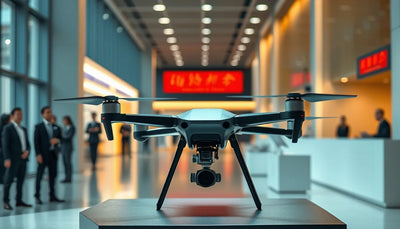
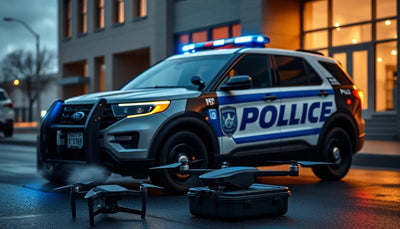
Polish Mountain Rescue Tests Pilotless DJI Drone System
A Polish mountain rescue team is testing a DJI-based autonomous drone system designed to operate without a pilot on scene. The trial could signal a shift in how emergency and commercial teams think about rapid-response aerial support in difficult terrain.

Quick answer
A Polish mountain rescue team is testing a DJI-based autonomous drone system that can operate without a pilot on scene, according to reporting by DroneDJ.
- The trial focuses on speeding up mountain rescue response in difficult terrain.
- The system is designed to function without a dedicated pilot at the launch site.
- The report attributes the development to Polish mountain rescue testing rather than an official DJI announcement.
- Commercial operators should watch whether autonomous launch and mission patterns expand beyond emergency services.
Poland is testing a mountain rescue drone system that never needs a pilot on scene, according to a report published by DroneDJ on November 3, 2026. The reporting describes a Polish mountain rescue team deploying DJI-based autonomous drones to reduce response times in challenging alpine conditions. The development is notable because it shifts the focus from pilot skill to mission automation and remote coordination.
DJI buying context
Match product news to hardware you can actually deploy.
Check inspected DJI aircraft, repair support, and trade-in timing before deciding whether to upgrade, repair, or wait.

For commercial drone operators, fleet managers, and repair customers, the Polish trial raises a practical question: if autonomous launch and flight patterns prove reliable in emergency mountain environments, how quickly will similar workflows move into inspection, logistics, and security operations? The answer matters for equipment planning, training budgets, and long-term fleet strategy.
What the Polish trial actually involves
According to the DroneDJ report, the Polish mountain rescue team is testing a system built around DJI hardware that can execute missions without a pilot physically present at the launch point. The reporting frames this as a pilotless deployment model, not simply a standard automated flight mode. That distinction is important because it suggests the drone can be launched, directed, and recovered as part of a broader remote operation.
ZDNet's technology feed also picked up the story, describing the Polish team's use of DJI autonomous drones to speed up rescues. The coverage emphasizes speed as the primary operational benefit. In mountain rescue, minutes spent locating a missing person or assessing a route can change outcomes. An autonomous system that removes pilot setup time from the equation could compress the window between callout and first aerial intelligence.
Reboot Hub analysis: the source material does not specify which DJI airframe, flight controller, or software stack is being used in the Polish test. Operators should treat the trial as a workflow demonstration rather than a confirmed product launch or a new commercially available DJI solution. The absence of official specification details means buyers should not assume current consumer or enterprise DJI models can replicate the exact autonomy described in the reporting.
Why autonomous deployment matters beyond emergency services
The Polish mountain rescue test is not just a public safety story. It is a signal about where commercial drone operations may be heading. If a rescue organization can deploy a drone without a pilot on scene, then inspection teams, agricultural operators, and logistics providers may eventually adopt similar patterns for remote or hazardous sites.
For fleet managers, the operational implication is clear: autonomous deployment changes the cost structure of drone missions. Fewer personnel required at the launch site means lower labor costs per flight. It also means missions can be initiated from centralized control rooms rather than field teams. That shift could influence how organizations allocate training resources and how they think about hardware redundancy.
However, the source-limited nature of this reporting means operators should be cautious about drawing firm conclusions. The DroneDJ article describes a test, not a widely deployed commercial capability. Regulatory approval, reliability in variable weather, and integration with existing emergency response protocols all remain open questions.
What this means for drone owners and the market
For individual drone owners and small commercial operators, the Polish trial is a reminder that DJI hardware continues to anchor real-world autonomy experiments. When a mountain rescue team selects DJI-based equipment for a pilotless deployment test, it reinforces the brand's position in the professional and public safety segments. That matters for the pre-owned DJI market, where demand often follows perceived reliability in demanding use cases.
Buyers evaluating a pre-owned DJI platform should consider how autonomy-focused workflows might affect their own mission needs. A drone purchased for manual flight today may need to support automated routing, remote launch, or third-party mission software tomorrow. For those weighing options, the Drone Wiki offers a practical reference for understanding DJI platforms and ownership considerations before committing to a purchase or repair decision.
Repair customers should also pay attention. Autonomous systems place more operational load on sensors, gimbals, and flight controllers. A drone that is expected to fly repeated automated missions in challenging terrain will require more disciplined maintenance than a lightly used recreational unit. Genuine OEM spare parts and professional DJI repair become more important when the aircraft is expected to perform without direct pilot oversight. For owners evaluating service and lifecycle risk, Drone Wiki explains the relevant repair, parts, resale, or operational path.
Reboot Hub analysis: The pre-owned market impact is likely to be gradual rather than immediate. A single rescue trial in Poland will not move pricing or inventory overnight. But if autonomous deployment becomes a standard feature in public safety procurement, older DJI models without robust automation support could see softer resale demand. Conversely, platforms with strong third-party software integration may hold value better.
What operators should watch next
The most important next step is whether the Polish trial produces published performance data. Flight time, weather tolerance, recovery reliability, and integration with existing rescue command structures are the metrics that will determine whether pilotless deployment moves from test to standard practice.
Operators should also watch for any official DJI response. The source material attributes the development to the Polish rescue team's testing, not to a DJI announcement. If DJI later confirms a specific hardware or software configuration for pilotless deployment, that would be a stronger market signal. Until then, the story remains a regional operational trial with broader implications.
For fleet managers and buyers, the practical takeaway is to avoid overreacting. Do not replace equipment or rewrite procurement plans based on a single test. Instead, monitor whether autonomous deployment patterns appear in other European rescue organizations or commercial inspection fleets. If they do, the case for investing in platforms with strong automation support becomes more compelling.
FAQ
Frequently asked questions
Is DJI launching a new autonomous drone for mountain rescue?
No. The reporting describes a Polish mountain rescue team testing a DJI-based autonomous system. It is not presented as an official DJI product launch or a new commercially available model.
Should commercial operators buy new equipment because of this trial?
Not yet. The Polish test is a single regional trial with limited published performance data. Operators should monitor the results and watch for similar deployments before making procurement changes.
Does this affect the pre-owned DJI drone market?
Potentially, but gradually. If autonomous deployment becomes common in public safety and inspection work, demand may shift toward DJI models with stronger automation and third-party software support. Older platforms with limited autonomy could see softer resale interest over time.
Which sources support this update?
The article distinguishes reported information from analysis and does not present an unverified source as official confirmation.
What remains subject to change?
Retail pricing, availability, product bundles and regulatory timelines can change. Readers should verify the latest terms with the named retailer, manufacturer or regulator before acting.
How should buyers or operators use this analysis?
Use the verified facts as a starting point, then compare mission fit, lifecycle support, maintenance needs and current procurement terms before making a purchase or fleet decision.
參考來源
- Source material - primary source
發佈時尚未取得其他官方文件。
Reboot Hub 編輯部為無人機所有者提供購買、維修、轉售及營運分析。若發現錯誤,請根據我們的編輯政策聯絡我們進行更正審查。