Japanese Global Hawk Drone Crashes Into Sea of Japan
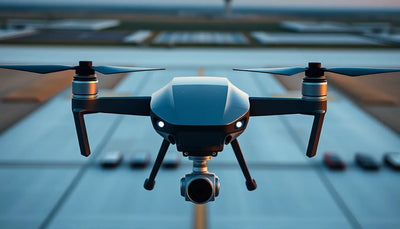
A Japanese Global Hawk drone nosedived into the Sea of Japan this week, cutting the country's fleet by a third. The loss raises fresh questions about high-altitude surveillance procurement, spare parts planning, and how military drone setbacks ripple through commercial UAV markets.

Quick answer
A Japanese Global Hawk drone crashed into the Sea of Japan this week, reducing the country's fleet of these high-altitude surveillance drones by one third.
- The crash was reported by Defense News on September 17, 2026.
- Japan lost one of three Global Hawk drones in the incident.
- The drone nosedived into the Sea of Japan.
- The event raises questions about fleet resilience and spare parts planning.
Evidence: Defense News · Defense.gov official source
Market context
Turn market news into a buy, repair, or trade-in decision.
Compare pre-owned availability, resale timing, and repair economics before the market moves again.

A Japanese Global Hawk drone nosedived into the Sea of Japan this week, instantly slashing the country's fleet of these high-altitude surveillance platforms by a third. The incident was reported by Defense News on September 17, 2026, and marks a significant operational loss for Japan's long-endurance unmanned aerial vehicle program.
For commercial drone operators, fleet managers, and buyers tracking the broader UAV market, the crash is more than a military headline. It underscores how quickly a single airframe loss can reshape procurement math, maintenance planning, and the availability of spare parts across both defense and civilian drone ecosystems. Reboot Hub analysis suggests the event may also influence how operators think about redundancy, repair capacity, and the economics of keeping older or high-value platforms flying.
What happened to the Japanese Global Hawk
According to the primary reporting from Defense News, the Japanese Global Hawk drone nosedived into the Sea of Japan this week. The report explicitly states that the crash instantly reduced Japan's fleet of these drones by one third. That arithmetic points to a small fleet, where the loss of a single airframe carries outsized operational consequences.
Defense News is the named primary reporting source for this development. No official Japanese agency or manufacturer confirmation is included in the source data, so Reboot Hub is treating the crash details as source-limited reporting. The exact cause of the nosedive, the drone's mission at the time, and any recovery status for the airframe are not specified in the available reporting.
For readers unfamiliar with the platform, the Global Hawk is a high-altitude, long-endurance surveillance drone used for intelligence, reconnaissance, and monitoring missions. The Japanese fleet's small size means each aircraft represents a substantial share of the country's unmanned surveillance capability. Losing one third of that fleet in a single incident is a meaningful operational setback, even if the full financial and strategic impact has not yet been publicly detailed.
Why fleet concentration creates operational risk
The crash highlights a structural challenge that applies well beyond military programs: when a fleet is small, every airframe carries disproportionate weight. Japan's reported loss of one third of its Global Hawk drones in a single event shows how concentrated fleet risk can translate into immediate capability gaps.
For commercial drone operators, the same principle holds. A company running three inspection drones, three agricultural sprayers, or three mapping platforms faces a similar exposure if one unit goes down unexpectedly. The difference is that commercial operators often have more flexibility to rent, borrow, or purchase a replacement quickly. Defense programs, by contrast, may face longer lead times for replacement airframes, specialized components, and integration work.
Reboot Hub analysis suggests that operators should evaluate their own fleet concentration risk. If a single airframe loss would halt a critical revenue stream, that is a signal to examine backup options, maintenance intervals, and parts availability before an incident occurs rather than after. The Japanese Global Hawk crash is a reminder that even mature, high-value platforms can be lost suddenly.
What this means for drone owners and the market
The immediate commercial read is that high-value drone losses tend to tighten attention on spare parts, repair capacity, and replacement planning. When a military platform like the Global Hawk goes down, the supply chain for specialized components can become more constrained, especially if investigators ground similar airframes or impose inspection requirements. While the source data does not confirm any grounding or fleet-wide inspection order, the risk of such measures is a standard consequence of serious incidents.
For pre-owned DJI drone buyers and owners, the connection is indirect but real. Military and government drone programs often compete for shared component categories, including sensors, avionics, batteries, and communication modules. When defense procurement shifts toward urgent replacement or inspection needs, it can influence lead times and pricing in adjacent commercial markets. Reboot Hub analysis views the Japanese Global Hawk loss as a potential early signal for tighter supply conditions in certain high-end drone component categories, though no specific shortage is confirmed by the source data.
Fleet managers should take this moment to review their own parts inventory and repair relationships. For operators who depend on a small number of airframes, having a clear path to genuine OEM spare parts and professional repair support is not a convenience; it is a continuity strategy. The Drone Wiki provides reference material that can help owners understand platform-specific maintenance and parts considerations before a failure occurs. For owners evaluating service and lifecycle risk, Drone Wiki explains the relevant repair, parts, resale, or operational path.
The pre-owned DJI market may also see subtle effects. When high-profile drone losses make headlines, some commercial buyers become more cautious about platform age, maintenance history, and parts availability. That caution can shift demand toward inspected pre-owned units with documented service records and away from unverified second-hand listings. Sellers who can demonstrate proper maintenance and genuine parts may find themselves better positioned in a more risk-aware market.
What operators should watch next
The most important next development is whether Japanese authorities or the manufacturer ground the remaining Global Hawk fleet pending investigation. The source data does not indicate any such action, but it is a standard response after a serious military drone crash. Any grounding would reduce Japan's high-altitude surveillance capacity further and could extend the operational impact beyond the single lost airframe.
Operators should also watch for any investigation findings that point to a systemic issue, such as a flight control software problem, a structural flaw, or a maintenance gap. If investigators identify a defect that affects other Global Hawk airframes, the ripple effects could include inspection requirements, parts demand spikes, and longer repair queues. None of that is confirmed in the current reporting, but it is the kind of follow-on risk that fleet planners should monitor.
For commercial drone buyers and repair customers, the practical takeaway is straightforward: do not wait for a failure to understand your parts and repair options. Small fleets are vulnerable to single-point losses, and the time to build redundancy or secure service relationships is before an incident, not after. The Japanese Global Hawk crash is a defense story on its surface, but its underlying lesson about fleet concentration and parts planning applies to every operator who depends on unmanned aircraft to get work done.
FAQ
Frequently asked questions
What happened to the Japanese Global Hawk drone?
Defense News reported on September 17, 2026, that a Japanese Global Hawk drone nosedived into the Sea of Japan, reducing the country's fleet of these drones by one third.
How does a military drone crash affect commercial drone operators?
A high-value drone loss can tighten attention on spare parts, repair capacity, and replacement planning. While no specific supply chain impact is confirmed, defense procurement shifts can influence lead times and pricing in adjacent commercial drone markets.
What should drone fleet managers do after this news?
Fleet managers should review their own concentration risk, parts inventory, and repair relationships. Operators with small fleets should have a clear path to genuine OEM spare parts and professional service support before an incident occurs.
Which sources support this update?
The visible evidence links identify Defense News and Defense.gov official source; each source is used only for the claim it directly supports.
What remains subject to change?
Retail pricing, availability, product bundles and regulatory timelines can change. Readers should verify the latest terms with the named retailer, manufacturer or regulator before acting.
How should buyers or operators use this analysis?
Use the verified facts as a starting point, then compare mission fit, lifecycle support, maintenance needs and current procurement terms before making a purchase or fleet decision.
參考來源
- Defense News - primary source
- Defense.gov official source - official government source
Reboot Hub 編輯部為無人機所有者提供購買、維修、轉售及營運分析。若發現錯誤,請根據我們的編輯政策聯絡我們進行更正審查。