Reboot Hub Drone Intelligence
News  /  產業熱點分析  /  High Lander and Thirdeye Test Multi-Aircraft Detect-and-Avoid for...
Regulation

High Lander and Thirdeye Test Multi-Aircraft Detect-and-Avoid for BVLOS

High Lander and Thirdeye have field-tested a multi-aircraft detect-and-avoid system designed to enable BVLOS operations at scale. Fleet operators should watch closely as this technology could influence upcoming regulatory approvals and operational planning.

High Lander and Thirdeye Test Multi-Aircraft Detect-and-Avoid for BVLOS

Beyond visual line of sight (BVLOS) operations remain one of the most significant bottlenecks in commercial drone adoption. The ability to fly drones beyond the pilot's direct view promises improved efficiency for infrastructure inspection, agricultural monitoring, delivery services, and emergency response. Yet progress has been slow, partly because regulators require reliable solutions to detect and avoid crewed aircraft that also operate in low-altitude airspace.

High Lander, a provider of drone fleet management software, and Thirdeye Systems, which specializes in airspace surveillance sensors, have now taken a step toward solving that problem. According to a recent field test described by SUAS News, the two companies demonstrated a multi-aircraft detect-and-avoid (DAA) system in real-world conditions. For fleet operators, drone buyers, and repair customers, this development signals that scalable BVLOS may be approaching a more practical stage, with direct implications for fleet planning, equipment investment, and maintenance strategies.

The field test and its context

The core challenge for BVLOS approval is the "see-and-avoid" requirement that exists under visual flight rules. Most crewed aircraft flying at low altitudes rely on their pilots to spot drones and other obstacles visually. However, drones operating autonomously or remotely beyond visual range must have an electronic way to detect those crewed aircraft and maneuver away. High Lander and Thirdeye's field test aimed to demonstrate that such DAA capability can function with multiple aircraft present, not just a single drone.

Operator checklist

Turn policy news into a safer fleet decision.

Before changing aircraft, compare repair paths, available DJI inventory, and trade-in timing against the rule change.

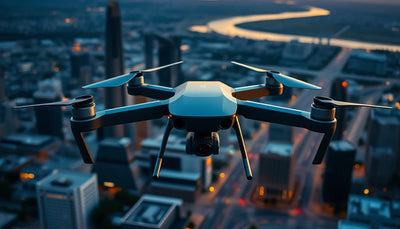
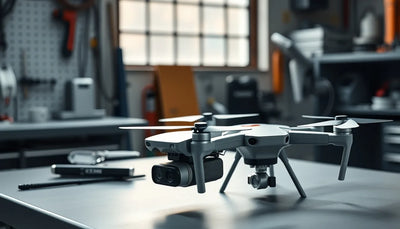
High Lander and Thirdeye Test Multi-Aircraft Detect-and-Avoid for BVLOS - Reboot Hub editorial image
Reboot Hub editorial image for this drone industry analysis.

The source notes that the test was conducted in an environment where both drones and crewed aircraft were present, validating that the system could deconflict airspace in real time. The specific sensor technology and algorithms were not detailed in the published summary, but the implication is clear: the companies have advanced DAA from a single-aircraft concept to one that can handle the multiple traffic scenarios that operators will encounter once BVLOS becomes routine.

Reboot Hub analysis: For commercial operators, this matters because future BVLOS waivers or rulemaking from civil aviation authorities like the FAA or EASA are likely to require proven DAA as a condition of approval. A multi-aircraft system provides stronger evidence that the technology can handle the dynamic nature of shared airspace, making regulators more comfortable granting authorizations.

What this means for fleet operations and planning

Fleet managers who are preparing for BVLOS operations should take note of the direction that DAA technology is heading. Single-aircraft DAA solutions have existed for years, but they typically require complex integration or custom hardware. The High Lander and Thirdeye approach appears to be software-driven and scalable, which could lower the barrier for fleets to adopt compliant systems.

One practical implication is that operators may need to plan for sensor payloads on their aircraft to support DAA functions, or they may need ground-based sensor networks. The field test suggests that collaboration between a fleet management software provider and a sensor specialist can yield an integrated solution. Fleet buyers should evaluate whether their existing drones can accommodate the hardware or software upgrades that such systems might require. For example, if DAA becomes a mandate, operators using older pre-owned DJI drones may need to retrofit add-on sensors or replace those aircraft with newer models that have native DAA capability.

Another consideration is the impact on repair and maintenance. If DAA sensors become standard on enterprise drones, they represent an additional component that can fail or require calibration. Professional DJI repair services will need to be familiar with these systems. Operators should consider purchasing drones from sources that offer certified maintenance and genuine OEM spare parts, especially as fleets expand with BVLOS-capable units.

Reboot Hub analysis: For those looking to upgrade, the pre-owned DJI market could see a shift as early adopters trade in older models for newer ones that are BVLOS-ready. That might create opportunities for budget-conscious operators to acquire second-hand equipment at lower prices, but they must verify that those drones can be updated to meet future DAA requirements.

What this means for drone buyers

If you are purchasing a drone today for commercial use, the High Lander and Thirdeye field test adds weight to the argument that you should buy with BVLOS compatibility in mind. Even if you do not plan to fly BVLOS immediately, regulators may eventually require DAA for many commercial operations. Drones that cannot interface with such systems may depreciate faster or become non-compliant.

Reboot Hub analysis: Buyers of pre-owned DJI drones should pay close attention to the model's ability to accept third-party DAA solutions. The High Lander and Thirdeye system is likely to be platform-agnostic, but certain older models may lack the processing power or payload capacity to run the software or carry the necessary sensors. When sourcing from the secondary market, look for drones that have open SDK support or can accommodate lightweight computer modules.

For those considering a trade-in, it may be smart to act now. The emergence of scalable DAA could accelerate demand for newer enterprise models, potentially lowering resale values for older fleets. Our drone trade-in guide can help you evaluate the timing and value of exchanging your current aircraft.

Repair customers should also anticipate that DAA components will require specialized service. When you send your drone for professional repair, ensure the shop is equipped to handle sensor calibration and firmware updates related to DAA. A repair facility that uses genuine OEM spare parts and works closely with software providers will be better positioned to keep your aircraft compliant.

The path to BVLOS at scale: regulatory and market outlook

Multi-aircraft DAA is a technical advance, but its real value lies in the regulatory trust it can build. Aviation authorities have hesitated to approve BVLOS because they lack data showing that electronic DAA can replace the human eye in complex, multi-actor airspace. The High Lander and Thirdeye test directly addresses that gap. If field data validates the system, it could become a reference design for future rulemaking.

For the broader market, this development may encourage investment in BVLOS-friendly infrastructure, such as ground sensors, traffic management systems, and training programs. Operators who position themselves early by adopting compatible technology will have a competitive advantage when BVLOS waivers become more common.

In the second-hand drone market, we expect that DAA capability will become a key differentiator. Pre-owned DJI drones that can be upgraded with DAA software or sensors will retain value better than those that cannot. Fleet operators looking to sell or trade in current assets should consider timing their transactions before a flood of DAA-capable rigs reaches the market. Similarly, buyers seeking inspected pre-owned equipment will benefit from selecting models with longer support lifespans.

Ultimately, the High Lander and Thirdeye field test confirms that the industry is moving toward a standardized approach to detect-and-avoid. Commercial drone buyers and fleet operators should follow these developments closely, as they will shape both operational permissions and equipment economics for years to come.

FAQ: Multi-aircraft DAA and BVLOS

How does multi-aircraft detect-and-avoid differ from single-aircraft DAA?

Single-aircraft DAA systems are designed to manage conflicts involving one drone and one crewed aircraft. Multi-aircraft DAA can simultaneously track and deconflict multiple drones and crewed aircraft in the same airspace. This capability is essential for BVLOS operations where several drones may be flying in a coordinated fleet or near other traffic.

Will my current enterprise drone work with systems like High Lander and Thirdeye's?

Compatibility depends on the drone's payload capacity, processing power, and software integration options. Many modern enterprise drones support third-party SDKs and can carry small computers or sensors, making them candidates for retrofit. Older models may not be compatible. Check with the manufacturer or a professional DJI repair service to assess your specific drone's upgrade path.

When might regulators require DAA for commercial drone flights?

Timelines vary by country and airspace class. The FAA and EASA have both indicated that DAA will be a prerequisite for most BVLOS authorizations. As field tests demonstrate reliability, rulemaking is expected to accelerate. Operators should monitor regulatory updates and plan to equip their fleets within the next two to three years.

About Reboot Hub Editorial

Drone reporting with operator context

Reboot Hub Editorial Desk reviews public reporting, company announcements, regulatory updates, and market signals, then adds practical analysis for DJI buyers, repair customers, and fleet operators. Commercial links are separated from editorial claims, and corrections can be sent through Contact Us.

Sources consulted

Additional official documentation was not available at publication time.

Reboot Hub Editorial adds buyer, repair, resale, and operational analysis for drone owners. If you spot an error, contact us for correction review through our editorial policy.

Regulation Drone industry analysis