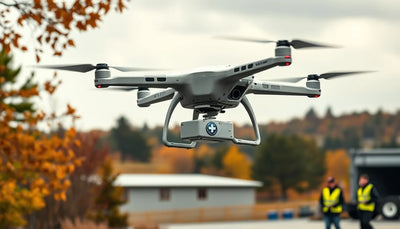
FCC Grants Covered List Exemption for Dronus K500L Drone System
The FCC has granted a Conditional Approval exemption for the Italian-made Dronus K500L drone and its docking station, allowing the system to remain eligible for equipment authorization under specific onshoring and vetting conditions. The decision signals how foreign drone manufacturers can navigate US compliance requirements.

Quick answer
The FCC granted a new Covered List exemption for the Italian-made Dronus K500L drone and docking station under its Conditional Approval process, subject to onshoring and continued vetting requirements.
- The exemption keeps the K500L eligible for FCC equipment authorization despite its foreign origin
- Conditions include onshoring requirements and continued vetting by the agency
- The decision shows how foreign drone makers can pursue US market access through Conditional Approval
- DRONELIFE reported the development as another example of the FCC's evolving approach to foreign drone systems
Evidence: DRONELIFE
Operator checklist
Turn policy news into a safer fleet decision.
Before changing aircraft, compare repair paths, available DJI inventory, and trade-in timing against the rule change.

The Federal Communications Commission has granted a new exemption from its Covered List for a foreign-made drone system, according to reporting by DRONELIFE. The decision involves the Italian-made Dronus K500L drone and its associated docking station, which will remain eligible for FCC equipment authorization under a Conditional Approval framework that includes onshoring and continued vetting requirements.
The ruling represents another data point in how the FCC is handling foreign drone hardware at a time when commercial operators, enterprise fleet managers, and procurement teams are watching equipment authorization rules closely. For buyers evaluating non-domestic platforms, the Dronus K500L decision offers a concrete example of what conditional market access can look like in practice.
The Conditional Approval framework and what it signals
DRONELIFE reported that the FCC's decision provides another example of how the agency's Conditional Approval process is being applied to foreign drone systems. Rather than a blanket rejection or an unconditional acceptance, the K500L exemption appears to come with obligations attached, including onshoring requirements and continued vetting of the manufacturer or system.
For commercial drone buyers, this matters because equipment authorization is not a one-time gate. A conditional approval means the vendor must maintain compliance over time, and any lapse in those conditions could affect the product's standing in the US market. Fleet operators evaluating the K500L or similar foreign platforms should ask vendors directly about the status and durability of their FCC authorizations before committing to multi-unit purchases.
The Italian origin of the Dronus K500L is notable because it shows that the Covered List is not a blanket ban on foreign equipment. Instead, the process appears to allow for case-by-case review, with conditions tailored to the specific system and manufacturer. That is a meaningful distinction for procurement teams that have assumed all non-US drone hardware faces the same regulatory wall.
What this means for drone owners and the market
The K500L decision does not directly change the compliance picture for most US commercial operators flying DJI or other mainstream platforms, but it does add nuance to how regulators are treating foreign hardware. For fleet managers and enterprise buyers, the takeaway is that foreign-made systems can still pursue US market access, provided the manufacturer is willing to accept conditions such as onshoring and ongoing vetting.
For the pre-owned DJI market, this kind of regulatory development is worth watching because it shapes the broader competitive landscape. If more foreign systems gain conditional access to the US market, enterprise buyers may have additional alternatives to consider, which can influence demand for existing platforms and their spare parts ecosystems. Operators who want to understand how different drone platforms compare on compliance, serviceability, and long-term support can review the equipment and repair documentation available in the Drone Wiki. For owners evaluating service and lifecycle risk, Drone Wiki explains the relevant repair, parts, resale, or operational path.
The practical question for any buyer or pilot is whether a conditional approval changes the risk profile of a given platform. A drone that is eligible today could face complications if the manufacturer fails to meet onshoring or vetting conditions later. That is a different risk than a platform with a stable, long-standing authorization history, and it should factor into procurement decisions, especially for fleets that plan to operate the same hardware for multiple years.
Why onshoring conditions matter for supply chains and repair
Onshoring requirements attached to a conditional approval can have downstream effects on parts availability, service turnaround, and long-term support. If a manufacturer is required to shift certain production, assembly, or support functions to the United States, that can improve access to spare parts and repair services for US operators, but it can also introduce transition periods where supply chains are still stabilizing.
For drone owners, the repair and maintenance angle is often overlooked during the initial purchase decision. A platform with a thin US service network or limited OEM parts availability can become expensive to operate over time. The K500L's conditional approval, with its onshoring component, suggests that regulators are thinking about more than just the radio equipment; they are considering where the hardware and its support infrastructure live.
Operators evaluating any newer or less common platform should ask pointed questions about parts inventory, repair turnaround, and whether the manufacturer has a US-based support presence. These are the same questions that matter in the pre-owned DJI market, where genuine OEM spare parts and professional repair access are key factors in total cost of ownership.
What operators should watch next
The Dronus K500L exemption is one decision, but it may signal a broader pattern in how the FCC handles foreign drone systems. DRONELIFE framed the ruling as another example of the Conditional Approval process in action, which suggests there may be additional cases in the pipeline. Fleet managers and procurement teams should monitor whether other foreign manufacturers pursue similar exemptions and what conditions are attached in each case.
For now, the actionable step for buyers is straightforward: do not assume that foreign-made drone systems are automatically excluded from the US market, and do not assume that a conditional approval is equivalent to an unconditional one. Ask vendors for documentation of their FCC authorization status, understand any conditions attached, and factor long-term support and parts access into the total cost of ownership before committing to a platform.
The regulatory environment for commercial drones remains fluid, and decisions like this one can shift the competitive landscape over time. Staying informed on equipment authorization developments is now part of responsible fleet planning, especially for organizations that operate across multiple sites or plan to scale their drone programs over several years.
FAQ
Frequently asked questions
What is the FCC Covered List?
The FCC Covered List identifies communications equipment and services that pose a national security risk. Equipment on the list faces restrictions on authorization and use in the United States, and foreign manufacturers may seek exemptions through processes like the Conditional Approval framework described in the DRONELIFE report.
Does the Dronus K500L exemption mean the drone is fully approved for US use?
The exemption keeps the K500L and its docking station eligible for FCC equipment authorization, but it comes with conditions, including onshoring requirements and continued vetting. That means the approval is conditional rather than unconditional, and operators should verify the current status with the manufacturer before purchasing.
How does this affect pre-owned DJI drone owners?
The decision does not directly change DJI's regulatory status, but it adds a new competitive dynamic to the US enterprise drone market. If more foreign platforms gain conditional access, buyers may have additional options, which can influence demand for existing platforms, spare parts, and repair services over time.
Which sources support this update?
The visible evidence links identify DRONELIFE; each source is used only for the claim it directly supports.
What remains subject to change?
Retail pricing, availability, product bundles and regulatory timelines can change. Readers should verify the latest terms with the named retailer, manufacturer or regulator before acting.
How should buyers or operators use this analysis?
Use the verified facts as a starting point, then compare mission fit, lifecycle support, maintenance needs and current procurement terms before making a purchase or fleet decision.
參考來源
- DRONELIFE - primary source
發佈時尚未取得其他官方文件。
Reboot Hub 編輯部為無人機所有者提供購買、維修、轉售及營運分析。若發現錯誤,請根據我們的編輯政策聯絡我們進行更正審查。