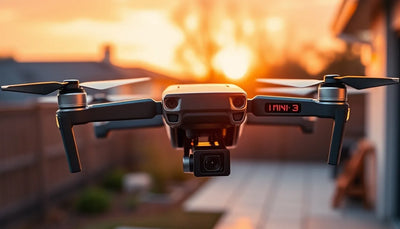
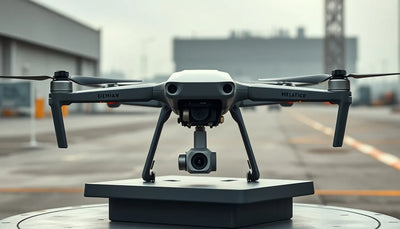
DJI Neo 3 Unboxing Report Points to Larger 1/1.1-Inch Sensor
An early unboxing report on the DJI Neo 3 points to a 1/1.1-inch camera sensor, a detail that could reshape expectations for compact drone imaging and pre-owned DJI Neo pricing as buyers weigh upgrades.

Quick answer
An early unboxing report from Geeky Gadgets indicates the DJI Neo 3 includes a 1/1.1-inch camera sensor, a notable imaging hardware detail for compact drone buyers.
- The report attributes the sensor detail to an unboxing observation, not official DJI confirmation.
- A 1/1.1-inch sensor would represent a meaningful imaging shift for the Neo line.
- Pre-owned DJI Neo pricing could face pressure if the Neo 3 launches with stronger camera hardware.
- Buyers should treat the sensor detail as source-limited reporting until DJI publishes official specifications.
An early unboxing report published by Geeky Gadgets has drawn attention to one specific hardware detail on the DJI Neo 3: a 1/1.1-inch camera sensor. The report, which appeared through Google News DJI aggregation, frames the sensor size as the headline observation from the unboxing. For commercial drone buyers, fleet operators, and repair customers, that single component detail matters more than most launch chatter because camera hardware drives both mission utility and resale behavior in the compact DJI segment.
DJI buying context
Match product news to hardware you can actually deploy.
Check inspected DJI aircraft, repair support, and trade-in timing before deciding whether to upgrade, repair, or wait.

Reboot Hub analysis should be clear here: this is a source-limited report, not an official DJI specification release. The Geeky Gadgets unboxing is the primary reporting source, and no agency, company statement, or verified spec context has confirmed the sensor figure independently. Operators should treat the 1/1.1-inch detail as a credible early signal rather than a finalized product fact.
What the unboxing report actually shows
The central claim in the Geeky Gadgets report is straightforward: the DJI Neo 3 unboxing reveals a 1/1.1-inch camera sensor. That sensor class is larger than what many compact consumer drones have historically carried, and it would position the Neo 3 closer to imaging expectations found in more expensive DJI camera platforms. The report does not provide a full specification sheet, official pricing, or launch confirmation, so the operational picture remains incomplete.
For repair professionals and parts planners, the sensor detail is a useful early indicator. A larger sensor module typically means a different gimbal assembly, revised thermal design, and potentially new OEM-pulled parts requirements compared with earlier Neo hardware. Reboot Hub analysis suggests that repair shops should not assume cross-compatibility between Neo generations until DJI publishes official parts documentation. The unboxing report alone does not confirm mechanical or electrical interchangeability.
What this means for drone buyers
Reboot Hub analysis: Buyers holding an existing DJI Neo should think carefully about upgrade timing. If the Neo 3 does ship with a 1/1.1-inch sensor, the imaging gap between generations could be significant enough to shift demand quickly. That would likely soften resale interest in earlier Neo units, especially among operators who use the Neo for inspection stills, real estate capture, or low-altitude mapping where sensor size directly affects low-light performance and detail retention. For those weighing a move, the Pristine Pre Owned Dji Neo market may become more price-sensitive once official Neo 3 specifications land. For buyers comparing ownership options, Pristine Pre-Owned DJI Neo provides a practical next step for model, condition, and replacement timing.
Fleet managers should also consider how a larger sensor changes training and output expectations. If crews are accustomed to Neo-class image characteristics, a sensor upgrade may require revised capture workflows, storage planning, and client delivery standards. The unboxing report does not confirm video bitrates, codec options, or processing pipelines, so procurement teams should avoid locking in multi-unit commitments based on a single early observation.
Pre-owned DJI market and repair implications
The pre-owned DJI market tends to reprice quickly when a successor model introduces a visible hardware jump. A 1/1.1-inch sensor would qualify as visible. Reboot Hub analysis indicates that inspected pre-owned Neo inventory could see faster depreciation if buyers perceive the Neo 3 as a camera-first upgrade rather than a minor refresh. Sellers with existing Neo stock may want to adjust listing expectations before official DJI materials create broader awareness.
On the repair side, genuine OEM spare parts for the Neo line could see shifting demand. If the Neo 3 uses a new sensor module and gimbal architecture, repair shops may need to stock separate part numbers for different generations. That increases inventory complexity but also creates opportunities for professional DJI repair providers who can source OEM-pulled parts accurately. The unboxing report does not confirm part-level changes, so repair pricing should remain conservative until teardown or official service documentation appears.
What operators should watch next
The most important next step is official DJI confirmation. Until DJI publishes specifications, pricing, and availability, the 1/1.1-inch sensor remains an unverified unboxing observation. Operators should watch for official product pages, regulatory filings, or credible teardown coverage that can validate the sensor size and reveal supporting hardware such as gimbal design, processor changes, and thermal management.
In the meantime, buyers and fleet managers can take one practical step: avoid overcommitting to current Neo inventory at premium prices if camera performance is central to their workflow. The source-limited reporting from Geeky Gadgets is strong enough to justify a short pause on large pre-owned Neo purchases, but not strong enough to justify scrapping existing fleet plans. Reboot Hub analysis recommends treating the next few weeks as a verification window rather than a decision deadline.
FAQ
Frequently asked questions
Is the DJI Neo 3 1/1.1-inch sensor officially confirmed?
No. The sensor detail comes from an early unboxing report by Geeky Gadgets, and DJI has not published official specifications confirming the component.
Should I sell my pre-owned DJI Neo before the Neo 3 launches?
If camera performance is central to your work, the reported sensor upgrade could soften resale value for earlier Neo units. Waiting for official confirmation before making a selling decision is the safer approach.
Will DJI Neo 3 parts fit the original DJI Neo?
The unboxing report does not confirm parts compatibility. Repair shops and operators should assume separate OEM part numbers across generations until DJI releases official service documentation.
Which sources support this update?
The article distinguishes reported information from analysis and does not present an unverified source as official confirmation.
What remains subject to change?
Retail pricing, availability, product bundles and regulatory timelines can change. Readers should verify the latest terms with the named retailer, manufacturer or regulator before acting.
How should buyers or operators use this analysis?
Use the verified facts as a starting point, then compare mission fit, lifecycle support, maintenance needs and current procurement terms before making a purchase or fleet decision.
參考來源
- Geeky Gadgets via Google News - primary source
發佈時尚未取得其他官方文件。
Reboot Hub 編輯部為無人機所有者提供購買、維修、轉售及營運分析。若發現錯誤,請根據我們的編輯政策聯絡我們進行更正審查。