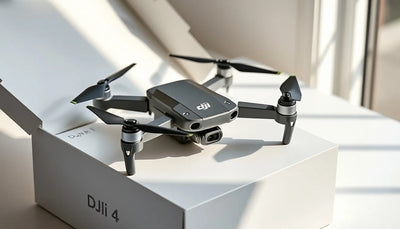
DJI Air 4 and Avata 3: What Late 2026 Means for Drone Operators
Sources indicate DJI is preparing Air 4, Avata 3, and additional products for late 2026. We examine what this means for commercial fleet planning, the pre-owned DJI market, and repair demand for current-generation models.

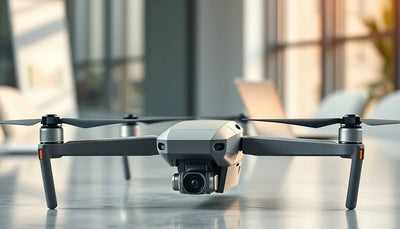
Reports from NEW CAMERA indicate that DJI is preparing a wave of product launches for late 2026, including the Air 4 and Avata 3, along with additional unnamed models. For commercial drone operators, fleet managers, and buyers in the pre-owned market, these rumors carry practical implications that extend far beyond the spec sheet. While no official specifications have been confirmed, the expected timing and product categories alone provide enough context for strategic planning.
Drone purchasing decisions hinge on product cycles. Knowing that DJI likely intends to refresh both its mid-range aerial imaging platform (Air series) and its FPV cinewhoop line (Avata series) in the same window gives operators a clearer timeline for budgeting, trade-ins, and service scheduling. The pre-owned DJI market, which closely mirrors new product announcements, is likely to see notable shifts in availability and pricing as late 2026 approaches.
The broader product lineup rumored for late 2026
According to the source, the late 2026 lineup includes the Air 4 and Avata 3 as named products, with a hint of "more" to come. While the article does not specify whether that "more" refers to accessories, software updates, or additional airframes, the pattern is consistent with DJI’s historical practice of announcing multiple devices during the same event or season. The involvement of NEW CAMERA, a publication focused on imaging technology, suggests that camera improvements are likely a focal point in the upcoming releases.
DJI buying context
Match product news to hardware you can actually deploy.
Check inspected DJI aircraft, repair support, and trade-in timing before deciding whether to upgrade, repair, or wait.

For operators, this means the Air series – traditionally DJI’s compact, high-sensor-quality option for serious hobbyists and small commercial crews – is due for a generational update. The Avata line, meanwhile, appeals to FPV pilots and creative videographers seeking stabilized cinematic flight. A simultaneous refresh of both product families could create an opportunity for cross-grade strategies: a current Avata 2 pilot might consider moving up to the Avata 3, while a Mavic 3 user might evaluate the Air 4 as a lighter travel alternative.
Market speculation must be approached cautiously. Without verified technical specifications, any claims about camera resolution, sensor size, flight time, or transmission range would be unfounded. What the source provides is a credible timeline and product names, which are enough to inform high-level planning. Fleet managers should treat late 2026 as a potential inflection point for evaluating their current inventory against newer models, without locking in any expectations about specific performance gains.
What this means for drone buyers
For anyone considering a drone purchase between now and the rumored launch window, the key question is timing. Buying a current-generation Air 3 or Avata 2 today may still make sense if the mission need is immediate and the depreciation risk is acceptable. However, buyers who can afford to wait until late 2026 should monitor official DJI announcements closely before making a significant investment.
One practical action for drone buyers: start planning a potential trade-in or sale of existing equipment now. The arrival of new models traditionally depresses resale values for earlier generations by 15-30%, depending on the model’s condition and market demand. By proactively listing pre-owned gear while current models remain desirable, sellers can maximize return and fund their upgrade. Readers can consult the drone trade-in guide for a structured approach to evaluating their current drone’s market value and timing the swap.
Another consideration for buyers: the repair ecosystem. As DJI transitions to new airframes, the availability of genuine OEM spare parts for Air 3 and Avata 2 may begin to tighten. Operators who plan to keep their current drone for another 12 to 18 months should ensure they have access to professional DJI repair services that stock OEM components. This is especially important for commercial fleets that cannot afford extended downtime due to backordered parts.
In summary, the late 2026 timeline gives drone buyers a clear horizon for decision-making. Avoid impulse purchases. Use the next several months to evaluate your actual mission requirements, budget for an upgrade, and prepare your existing equipment for potential resale or trade-in.
Implications for the pre-owned DJI market and repair
The pre-owned DJI market is always sensitive to new product announcements. When DJI launches a successor model, many owners sell their current drones to partially fund the upgrade, flooding the second-hand channel with recent-generation hardware. This benefits buyers who are price-sensitive and do not require the absolute latest features, but it also means that prices for older models – particularly Air 2S, Air 3, Avata, and Avata 2 – could drop further as late 2026 approaches.
For sellers, the window to offload current-generation gear at favorable prices is now. Waiting until the Air 4 and Avata 3 are officially announced will likely reduce sale prices. Listings on pre-owned marketplaces for pre-owned DJI drones in pristine condition may attract premium buyers who want reliable, inspected equipment before the new wave hits.
From a repair perspective, the late 2026 launches introduce both opportunity and risk. Repair shops that specialize in DJI equipment will need to prepare for an increase in incoming repairs of older models as owners decide to keep flying their current airframes rather than upgrade. At the same time, the supply chain for OEM replacement parts for Air 3 and Avata 2 should remain robust for at least two more years – the typical DJI support lifecycle. However, operators should verify that their preferred repair partner stocks genuine components and can handle firmware compatibility issues that may arise as DJI transitions to new product firmware.
Strategies for fleet managers and FPV operators
Commercial fleet managers with multiple drones should assess the operational impact of adding the Air 4 or Avata 3 to their lineup. Without specifications, the evaluation must focus on generational maturity and ecosystem compatibility. If the Air 4 adopts a new battery platform or remote controller, for example, fleet managers may face additional costs for accessories, chargers, and spare batteries. Planning a staggered adoption – purchasing one or two units first for testing – is a prudent move before rolling out a fleet-wide upgrade.
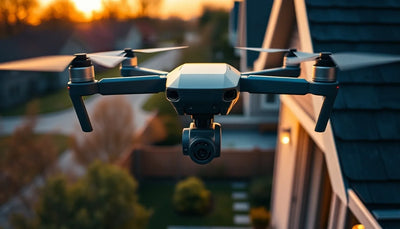
FPV operators, particularly those using Avata 2 for indoor or proximity flying, should watch for any changes in airframe design, motor reliability, and camera stabilization that DJI might introduce in the Avata 3. The Avata line has built a reputation for durability and visual quality in constrained environments. Even minor improvements in propeller guard design or weight reduction could make a significant difference for real estate and inspection work.
Finally, fleet managers should consider a structured equipment lifecycle policy. If your current drones are already two years old, planning a replacement cycle that aligns with DJI’s late 2026 launch window can reduce fleet downtime and simplify training. Standardizing on the same generation across the fleet also streamlines spare parts inventory and repair workflows. Partnering with a repair service that offers professional DJI repair services ensures that both current and upcoming models receive OEM-quality support.
How reliable are the rumors about DJI Air 4 and Avata 3?
The sole source for this information is a report by NEW CAMERA, published via Google News. While the publication has a track record in imaging technology, no official DJI confirmation has been issued. Readers should treat these details as unverified industry speculation until DJI makes an official announcement.
Should I delay buying a drone until these products are released?
If your current drone meets your operational needs and you can wait until late 2026, delaying may give you access to newer technology. However, if you require a drone immediately for a paid project or inspection contract, purchasing a current-generation model from the pre-owned or new market remains a sensible choice. Weigh the depreciation cost against the value of immediate use.
What happens to the value of my current DJI drone after the launch?
Typically, resale values for outgoing models decrease by 15-30% within three months of a new launch. To maximize your return, consider selling or trading in your current drone before the late 2026 release window. A drone trade-in guide can help you evaluate whether to sell now or later.