Corvus Drones Slash GNC Backorders to 98 a Day – What It Means
Four small drones count 2,000 pallets daily at a GNC warehouse, cutting backorders to 98. We analyze what this means for fleet operators, drone buyers, and the pre-owned DJI market.

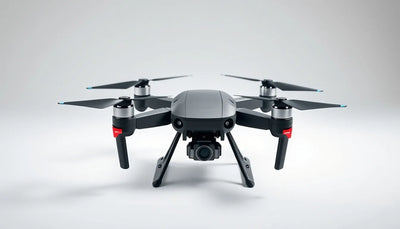
Four small drones now fly overhead every day at a GNC nutritional supplement warehouse in Whitestown, Indiana. Their job: count more than 2,000 plastic-wrapped pallets that nobody wanted to count by hand. The drones come from Corvus Robotics, a startup building autonomous indoor flyers tuned for inventory work. GNC brought the program online two years ago, and the results are striking. The company reported that daily backorders dropped to just 98 on average, a figure that would have been unthinkable with manual cycle counting alone.
For commercial UAV buyers, fleet operators, and anyone watching the second-hand drone market, this deployment offers a real-world proof point. Indoor inventory drones are no longer experimental. They are delivering measurable cost savings and accuracy gains that directly affect the bottom line. Understanding how this system works and what it means for your own operations can guide smarter purchasing, repair, and fleet planning decisions.
What GNC’s two‑year drone program proves
Corvus Robotics’ drones operate entirely indoors at the GNC facility. They fly a pre-planned pattern over aisles of pallets, scanning barcodes or labels with onboard cameras. The data feeds directly into the warehouse management system. Before this system, employees had to climb ladders, walk narrow aisles, and manually record pallet locations. Errors and omissions were common, and backorders piled up.
Market context
Turn market news into a buy, repair, or trade-in decision.
Compare pre-owned availability, resale timing, and repair economics before the market moves again.

The 98-per-day backorder figure is a dramatic improvement over previous levels, though the exact baseline was not disclosed in the source material. What is clear is that after two years of consistent operation, the system has become integral to GNC’s logistics. The drones are small, quiet, and do not require structural modifications to the building. They navigate using onboard sensors, not GPS, which makes them ideal for the signal-blocking environment of a metal warehouse.
For fleet operators, the key takeaway is that indoor drone deployment does not require a massive capital outlay or custom infrastructure. A small fleet of purpose-built drones can replace hours of manual labor. This validates the business case for companies considering similar automation, particularly in distribution centers, cold storage, and large retail warehouses.
What this means for drone buyers
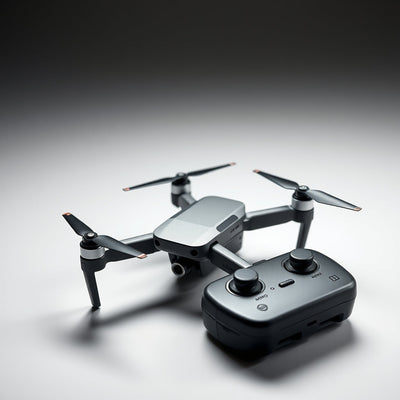
If you are evaluating drones for commercial use, the GNC case study underscores that reliability and durability matter more than raw features. The Corvus drones are not sold in consumer electronics stores; they are built specifically for continuous indoor flight. But for buyers on a tighter budget, the second-hand market offers a practical alternative. Pre-owned DJI drones, such as the Mavic 2 Enterprise or Matrice 300 RTK, can be repurposed for indoor inventory scanning with the right payload and software. These drones are widely available on the resale market, often at a fraction of their original price.
Reboot Hub provides a selection of pre-owned DJI drones that have been thoroughly inspected and are ready for enterprise use. For buyers considering indoor deployment, it is important to ensure the drone has obstacle avoidance sensors and a stable hover capability. Many older DJI models can be upgraded with third-party lidar or camera modules for barcode scanning. However, compatibility should be verified carefully – do not assume every unit will work out of the box.
Repair considerations also shift when using drones for indoor inventory work. Impacts with shelving or pallets are likely, so access to genuine OEM spare parts is critical. Reboot Hub offers professional DJI repair services using OEM-pulled components, which keeps your fleet operational without extended downtime. For those looking to upgrade or swap older units, the company’s drone trade-in guide explains how to get value from equipment you no longer need.
Implications for fleet operators and repair customers
Operators who run indoor drone fleets face different maintenance patterns than those flying outdoors. Corvus drones have been flying daily for two years, which means they have accumulated thousands of flight hours in a controlled environment. Dust, temperature variations, and occasional collisions are the main stressors. Regular inspection of motors, propellers, and sensor modules is essential.
For operators using DJI drones in similar roles, the availability of OEM parts through professional repair channels becomes a competitive advantage. When a motor fails or a gimbal breaks, waiting weeks for a replacement is not an option. Reboot Hub’s repair service stocks genuine OEM spare parts, so turnaround times are minimized. Fleet managers should also consider having a backup drone in rotation. The GNC deployment uses four drones, not one, which suggests that redundancy is built into the design.
Another practical implication: indoor drone operations often require specialized training for pilots or ground support staff. Corvus’s system is autonomous, but human oversight is still needed for mission planning and exception handling. Fleet operators should budget for training and software licensing, even if the drones themselves are inexpensive.
Broader market trends and the second‑hand drone market
The GNC success story could accelerate demand for indoor drone inventory solutions across retail, pharmaceutical, and food distribution sectors. As more companies adopt similar systems, the market for used enterprise drones will expand. Startups and smaller warehouses that cannot afford a dedicated Corvus system may turn to pre-owned DJI drones as a lower-cost entry point.
This trend benefits sellers and buyers on the second-hand market. Pre-owned DJI drones that have been maintained with genuine parts retain their value well. Operators who upgrade to newer models can trade in their old units through programs like Reboot Hub’s, recycling capital back into their fleet. The resale ecosystem for enterprise drones is maturing, and transaction volumes are increasing.
For repair shops, the growing indoor drone fleet means more demand for component-level repairs. Proprietary parts like Corvus motor controllers may not be available, but DJI-based systems are well supported by third-party and OEM repair networks. Reboot Hub’s model of using OEM-pulled parts ensures that repaired drones fly to original specifications – a critical factor for indoor navigation where flight precision is essential.
How long has GNC been using these drones?
According to the source, GNC brought the Corvus Robotics drone program online two years ago. The system has been operating daily since then, with the 98-backorder figure reflecting current performance.
Are these drones capable of outdoor flight?
No. Corvus Robotics’ drones are designed exclusively for indoor use. They rely on onboard sensors (likely lidar or optical) for navigation, not GPS. They are not certified or built for outdoor operations.
Can I buy a Corvus drone for my warehouse?
The source does not provide pricing or availability details. Corvus Robotics appears to sell directly to enterprise customers. For a more accessible alternative, many warehouse operators consider pre-owned DJI drones with appropriate payloads. Always verify compatibility and regulatory requirements for indoor flight in your region.