Reboot Hub Drone Intelligence
News  /  產業熱點分析  /  AeroVironment’s $4B Defense Drone Plan: What It Means...
Market Trends

AeroVironment’s $4B Defense Drone Plan: What It Means for Buyers

AeroVironment plans to double revenue to $4 billion by 2030, driven by defense drone programs and expanded production. The move signals rising military demand, which could tighten supply and affect pricing for commercial operators and the pre-owned DJI market.

AeroVironment’s $4B Defense Drone Plan: What It Means for Buyers

AeroVironment (NASDAQ:AVAV) used its 2026 Investor Day in New York to lay out a clear path to roughly doubling revenue by fiscal 2030, reaching $4 billion. The defense-focused drone manufacturer cited new program wins, expanded production capacity, and higher research and development spending as the primary drivers. For commercial drone buyers, fleet operators, and those active in the pre-owned DJI market, the announcement carries signals worth reading carefully.

The company’s growth plan is built on sustained demand from military customers for tactical unmanned systems, loitering munitions, and small reconnaissance drones. While AeroVironment’s portfolio differs from the enterprise and consumer drones most Reboot Hub readers use, the ripple effects of a major defense ramp-up often reach the broader drone ecosystem—through component supply, pricing pressure on similar platforms, and operator behavior shifts.

What this means for drone buyers

Reboot Hub analysis: For anyone involved in purchasing drones—whether for surveying, inspection, agriculture, or public safety—AeroVironment’s expansion signals that competition for critical components such as sensors, processors, and batteries is likely to intensify. The company’s plan to double revenue implies a significant increase in production volume, which means manufacturers in the same supply chain must compete for limited raw materials and electronic components. This can lead to longer lead times and higher prices for commercial drones from all brands, including DJI.

Market context

Turn market news into a buy, repair, or trade-in decision.

Compare pre-owned availability, resale timing, and repair economics before the market moves again.

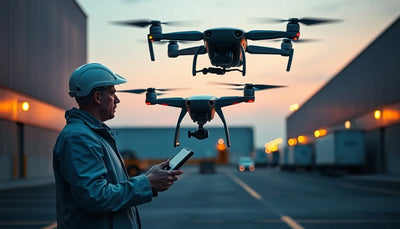
AeroVironment’s $4B Defense Drone Plan: What It Means for Buyers - Reboot Hub editorial image
Reboot Hub editorial image for this drone industry analysis.

Fleet operators who rely on predictable replacement cycles should consider whether now is a good time to secure inventory. If military demand continues to pull manufacturing capacity toward defense contracts, commercial buyers may face tighter availability of new units. That could make the pre-owned DJI market more attractive, as inspected pre-owned drones offer a cost-effective alternative without waiting for new stock. For those planning to upgrade, our pre-owned DJI drones are sourced from trade-ins and surplus fleets, providing a reliable option when new supply tightens.

Additionally, AeroVironment’s increased R&D spending suggests that near-peer defense capabilities will push drone technology forward—better endurance, more advanced sensors, and improved autonomy. While these features may not trickle down directly to commercial platforms, they raise the baseline expectation for what a drone should do. Buyers should keep an eye on how DJI and other commercial OEMs respond with incremental upgrades.

Production capacity expansion and pricing pressure

AeroVironment executives specifically mentioned expanding production capacity as a key pillar of their revenue doubling plan. This implies building new facilities, hiring skilled technicians, and securing long-term supply agreements. In the near term, the defense sector’s demand for manufacturing resources can push up labor costs and component prices across the entire drone industry.

Commercial drone repair services, including professional DJI repair, may also feel the pinch. The technicians and microelectronics that keep small drones flying are the same talents defense contractors are hiring. If the labor pool for drone repair shrinks, turnaround times and costs could rise. Operators should consider proactive maintenance and keeping spare parts on hand. For those needing genuine OEM spare parts, our professional DJI repair services use OEM-pulled parts and can help extend the life of existing fleets.

Another practical implication: as defense contracts lock up production lines for military-specific models, the excess manufacturing capacity once used for commercial products may shrink. That could make it harder for new commercial brands to scale, reinforcing the dominance of established players like DJI in the civilian market. For buyers, this means the secondary market becomes even more important for accessing affordable, capable drones.

R&D investment signals a technology race

AeroVironment’s planned increase in research and development spending is a clear sign that the company sees a need to stay ahead in autonomy, countermeasures, and payload integration. While much of this R&D is classified or defense-specific, the cross-pollination between military and commercial drone technology is well documented. Longer flight times, better swarming algorithms, and improved obstacle avoidance often originate in defense labs before migrating to enterprise platforms.

For commercial operators, the practical takeaway is that now is a good time to evaluate your current fleet against emerging capabilities. If you are flying older models, their resale value may decline faster as new technology becomes standard. Our drone trade-in guide can help you decide when to upgrade and how to get the best value from pre-owned equipment. The defense-driven pace of innovation also means that used drones with proven reliability could hold value well, especially if new models are delayed or priced high.

Furthermore, AeroVironment’s focus on defense doesn’t directly threaten DJI’s commercial market share, but it does create a separate high-volume demand stream that can influence pricing for shared components. If military-grade processors become more expensive, consumer and enterprise drone makers may pass on those costs. Fleet managers should budget for a potential 5–10% increase in new drone hardware costs over the next 12–18 months.

Implications for the pre-owned DJI market and repair ecosystem

When a large defense contractor like AeroVironment commits to doubling revenue through military sales, the entire drone supply chain adjusts. For the pre-owned DJI market, this creates a favorable environment. New drone prices may rise or stay high, driving more buyers toward inspected pre-owned units. At the same time, fleet operators upgrading to newer models will generate more trade-ins, increasing the supply of well-maintained pre-owned drones.

Repair shops that specialize in DJI drones should also see steady demand, as operators choose to fix existing aircraft rather than pay premium prices for new ones. AeroVironment’s expansion does not directly affect DJI’s spare parts availability, but if the broader electronics supply chain tightens, genuine DJI parts could become harder to source. Professional repair services that carry OEM-pulled parts provide a buffer against that risk.

Reboot Hub analysis: Fleet managers should also note that AeroVironment’s defense focus may lead to more federal investment in drone infrastructure, such as advanced airspace management and counter-UAS systems. These developments could eventually affect commercial drone operations, especially if they lead to stricter regulations or new certification requirements. Staying informed and maintaining a flexible fleet—with a mix of new and pre-owned DJI drones—is a prudent strategy.

Will AeroVironment’s growth affect DJI drone prices?

Indirectly, yes. AeroVironment's expansion increases competition for electronic components and manufacturing capacity, which can raise costs for all drone producers. DJI may pass some of these increases on to buyers, making pre-owned DJI drones a more cost-effective alternative.

Should I buy a drone now or wait for lower prices?

Given the signals of rising production demand and potential component shortages, waiting may risk higher prices or longer delivery times. Consider purchasing from a reliable source of inspected pre-owned drones to lock in current pricing while supply is still balanced.

How does defense demand impact pre-owned drone availability?

As military programs absorb new production, fleet operators upgrading to newer models will trade in older units. This increases the supply of pre-owned DJI drones, offering buyers more choices at competitive prices. The defense-driven technology race also means older models remain capable for many commercial tasks.

About Reboot Hub Editorial

Drone reporting with operator context

Reboot Hub Editorial Desk reviews public reporting, company announcements, regulatory updates, and market signals, then adds practical analysis for DJI buyers, repair customers, and fleet operators. Commercial links are separated from editorial claims, and corrections can be sent through Contact Us.

Sources consulted

Reboot Hub Editorial adds buyer, repair, resale, and operational analysis for drone owners. If you spot an error, contact us for correction review through our editorial policy.

Market Trends Drone industry analysis