USAF behåller två piloter i B-21 – detta bör drönaroperatörer veta
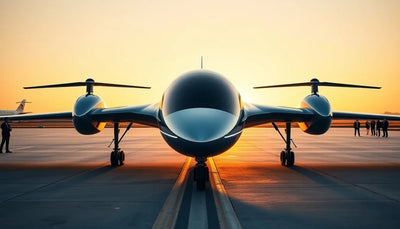
Det amerikanska flygvapnet har officiellt beslutat att B-21 Raider ska bemannas av två piloter, trots tidigare studier om enpilotsdrift. Beslutet speglar de utmaningar gällande redundans, utbildning och operativa risker som präglat UAV-flottan i praktiken.

Det amerikanska flygvapnet har formellt beslutat att B-21 Raider, nästa generations stealthbombplan, inte kommer att flygas av en enda pilot. Enligt en rapport från The War Zone, fattades beslutet i samband med förberedelserna för att börja tas i bruk nästa år. Även om detta är ett beslut inom militärflyget, sänder resonemanget bakom tvåmanscockpiten signaler som kommersiella UAV-operatörer, flottchefstjänstemän och köpare av begagnade DJI-drönare inte bör ignorera.
B-21-programmet är ett av de mest avancerade flygplansutvecklingsinsatserna på decennier. Tidiga studier har enligt uppgift undersökt möjligheten till enpilotsoperationer, ett drag som skulle ha sparat kostnader och minskat kraven på besättning. I slutändan valde flygvapnet den traditionella tvåpilotskonfigurationen. Att förstå varför de gjorde det - och hur dessa skäl översätts till drönaroperationer - kan hjälpa dig att fatta smartare beslut om din egen flotta, oavsett om du flyger kommersiellt, driver en reparationsverkstad eller handlar efter inspekterade begagnade enheter.
Varför USAF avvisade enpilots B-21-operationer
Källrapporten anger att flygvapnet har fattat ett formellt beslut om hur B-21 ska bemannas. Även om inga specifika briefingar eller kostnadssiffror nämns, är den underliggande logiken tydlig: långdistansuppdrag med bombplan kräver hög uthållighet hos besättningen, avancerad systemhantering och beslutsfattande på bråkdelen av en sekund. En enda pilot skulle drabbas av en enorm kognitiv belastning vid samtidig hantering av navigering, kommunikation, hotrespons och vapenanvändning under uppdrag som kan pågå i dussintals timmar.
Fleet readiness
Keep DJI hardware available without overbuying new units.
Use defense and fleet news as a planning signal for repair support, inspected pre-owned aircraft, and replacement timing.

Samma princip finns i dag i kommersiella drönaroperationer. Även med avancerade autopiloter och funktioner för återgång till hemmet måste en enda operatör som hanterar en flotta av drönare under komplexa undersöknings- eller inspektionsflygningar övervaka telemetri, luftrum, batteristatus och nyttolastkvalitet. Många professionella UAV-operatörer driver redan tvåmanslag – ett flygande och ett som observerar eller hanterar data – inte för att regler kräver det, utan för att arbetsbelastningen kräver det. B-21-beslutet förstärker att redundans i mänskliga team förblir ett centralt säkerhets- och effektivitetskrav även i de mest automatiserade plattformarna.
En annan faktor som sannolikt påverkat beslutet är systemredundans. Två piloter möjliggör korskontroll; om en pilot missar en varning eller feltolkar en display kan den andre korrigera felet. Inom drönaroperationer tjänar en sekundär kontrollenhet, en visuell observatör eller ett system för telemetriövervakning samma syfte. För flottaoperatörer tyder detta på att investeringar i markstationsmjukvara med dubbelkontroll eller co-pilotläge kan minska incidentfrekvensen.
Lektioner för kommersiella UAV-flottchefstjänstemän
Flygvapnets beslut handlar inte bara om antal besättningsmedlemmar – det speglar en filosofi som är direkt tillämpbar på hur du planerar din drönarflottas struktur. Många kommersiella köpare antar att fler autonoma funktioner innebär mindre behov av mänsklig tillsyn. B-21 kräver fortfarande två piloter trots att det är ett av de mest avancerade flygplanen som någonsin byggts. Detta indikerar att autonomi inte eliminerar behovet av mänskligt omdöme, särskilt i riskfyllda eller oförutsägbara miljöer.
För flottchefstjänstemän är lärdomen praktisk: när du skalar upp din verksamhet, snåla inte på personalen. Även om din drönarplattform kan flyga autonoma waypoint-uppdrag, kan en dedikerad säkerhetspilot eller en andra operatör som övervakar datalänken förhindra kostsamma flygförluster eller kollisioner. I samband med reparation och underhåll innebär detta också att originalreservdelar för OEM och professionella DJI-reparationstjänster är kritiska – eftersom ett enda hårdvarufel kan få kaskadeffekter när ingen mänsklig backup finns tillgänglig.
Dessutom visar B-21-tidslinjen - utställningen börjar nästa år - att militära program utvärderar besättningsmodeller över år, inte veckor. Om du funderar på att köpa en begagnad drönare till ditt företag, behandla utvärderingen av dess flygkontrollredundans, felsäkra logik och sensortillförlitlighet med samma noggrannhet. Vår inbytesguide för drönare beskriver hur man bedömer begagnad utrustning innan ett köp genomförs, vilket kan rädda dig från att ärva designer med kritiska enpunktsfel.
Vad detta innebär för drönarköpare
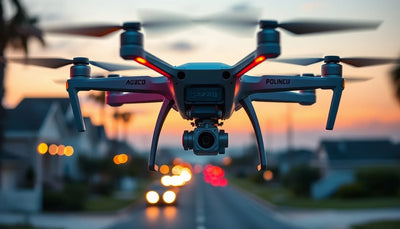
Om den amerikanska militärens dyraste bombplan behöver två piloter, säger det dig något om en operatörs beroende av alla flygplan, inklusive drönare. När du köper en begagnad DJI drönare – oavsett om det är en Matrice 30, Mavic 3 Enterprise eller en äldre Phantom-modell – bör du prioritera flygplan som erbjuder kontroll med dubbla operatörer och oberoende visionsystem. Dessa funktioner speglar B-21-filosofin att dela upp arbetsbelastningen och bygga in redundans.
För köpare på andrahandsmarknaden för drönare påverkar detta beslut även återförsäljningsvärdet. Drönare som ursprungligen såldes som enoperatörssystem kan bli mindre attraktiva i takt med att flottaoperatörer går över till tvåmansmodeller. Omvänt kommer plattformar som stöder flera kontroller eller har avancerad hinderdetektering och fallskärmssystem för failsafe att hålla värdet längre. När du bläddrar i vår samling av begagnade DJI-drönare, leta efter enheter som listar kapacitet med dubbla fjärrkontroller eller som har fått service med OEM-dragna delar — dessa egenskaper korrelerar med operativ motståndskraft som B-21-beslutet nu bekräftar.
Dessutom understryker flygvapnets val att utbildning och skicklighet är avgörande. Att köpa en drönare är inte slutet på processen. Man måste investera i pilotkompetens, precis som flygvapnet investerar i simulatortimmar för B-21--besättningar. Om du går in i kommersiell drönarverksamhet bör du budgetera för återkommande träning och simulatortid. En välskött och inspekterad begagnad drönare i kombination med en utbildad besättning ger betydligt högre avkastning på investeringen än en helt ny modell som opereras av en enda novis.
Den större bilden: samverkan mellan människa och maskin
B-21-beslutet passar in i en bredare försvarstrend kring människa-maskin-lag. Flygvapnet driver samtidigt autonomt flygande drönare kända som Collaborative Combat Aircraft, men de vill fortfarande ha två piloter i bombplanet. Detta tyder på att högvärdiga plattformar kommer att hålla människor i ögat för kritiska beslut, medan billigare UAV:er hanterar repetitiva eller farliga uppgifter. För kommersiella operatörer innebär detta att marknaden för begagnade DJI drönare och professionella reparationstjänster förblir stabil eftersom professionella plattformar fortfarande kräver skickliga mänskliga operatörer.
Inom reparationsekosystemet är parallellen tydlig. Om du äger en drönare i DJI Inspire 3- eller Matrice-serien för inspektionsarbete använder du förmodligen redan ett tvåpersonsteam. Den praxisen har nu fått ytterligare stöd genom ett militärt upphandlingsbeslut. När du skickar in drönaren på service, se till att verkstaden använder äkta OEM-reservdelar. En enda förfalskad motor eller ett batteri från tredje part kan försämra den redundans som du är beroende av. Professionella DJI-reparationstjänster finns specifikt för att upprätthålla denna OEM-tillförlitlighet.
Slutligen påminner B-21-nyheterna oss om att beslut om besättningskonfiguration inte är statiska. Flygvapnet studerade enpilotsalternativ och förkastade dem. Samma iterativa process bör vara en del av ditt drönarinköp och flotthantering. Anta inte att den lägsta besättningsinriktningen är den mest effektiva. Ibland är tvåpersonersmodellen - oavsett om det är i ett bombplan eller en markstation - det säkrare, mer lönsamma långsiktiga valet.
Skulle USAF-beslutet få mig att ompröva att köpa en drönare med en operatör?
Inte nödvändigtvis, men det bör få dig att utvärdera hur drönaren hanterar kritiska fel. Om drönaren saknar stöd för dubbla kontroller eller avancerade automatiserade failsafes, bör du överväga att operera den med en spotter eller en sekundär kontrollenhet.
Påverkar B-21-beslutet andrahandsvärdet på begagnade drönare?
Indirekt, ja. I takt med att flottoperatörer anammar besättningsmodeller som värderar redundans, kommer drönare som stöder dubbeldrift och har robusta säkerhetsmeriter att hålla ett högre efterfrågetryck. Leta efter modeller med flera visionssensorer och oberoende flygkontroller.
Vad är den viktigaste lärdomen för drönarkunder gällande reparationer utifrån dessa nyheter?
Investera i äkta OEM-delar och professionell reparation. Redundans fungerar bara om varje komponent är tillförlitlig. En reparerad drönare med originaldelar från OEM eller äkta nya delar minskar risken för ett enpunktsfel under kritiska flygningar.
Konsulterade källor
- Stealth | Page 9 of 11 | The War Zone - primary source
- Damaged B-2 Won't Be Repaired, Fleet To Shrink To 19 Jets (Updated) - primary reporting source
- The War Zone - primary reporting source
- DIU Blue UAS - official government source
Reboot Hub Editorial tillför analys gällande köp, reparation, andrahandsvärde och drift för drönarägare. Om du upptäcker ett fel, kontakta oss för granskning av rättelse via vår redaktionella policy.