RoboChem Flex: The Autonomous Lab Robot That Will Reshape Drone Chemistry
A groundbreaking autonomous synthesis robot, RoboChem Flex, promises to democratize chemical R&D, with direct implications for drone battery technology, lightweight materials, and sensor development. For commercial drone pilots operating under Part 107, this means faster innovation cycles in payload performance and flight endurance. Reboot Hub analyzes how this lab automation breakthrough will ripple through the used drone market, creating new opportunities for operators who upgrade their fleets with next-gen components.

Редакционные заметки
- Эта статья объединяет данные внешних отчетов с собственным анализом Reboot Hub для покупателей БПЛА, операторов парка, клиентов сервисных центров и наблюдателей за рынком подержанных DJI.
- Факты из источников отделены от интерпретации. Если в отчете недостаточно данных, в статье указывается на это ограничение, а позиция Reboot Hub подается как аналитическая гипотеза.
- Reboot Hub размещает коммерческие ссылки на продукты и услуги по ремонту БПЛА; эти ссылки служат ресурсом для читателей и не определяют выводы статьи.
On June 2, 2026, a new era in autonomous chemical synthesis was unveiled. Researchers at the University of Amsterdam, led by Professor Timothy No - l, published a paper in Nature Synthesis detailing the RoboChem Flex-a modular, autonomous robot designed to optimize chemical reactions with unprecedented speed and efficiency. While the immediate application is in pharmaceutical and materials science, the long-term implications for the commercial drone industry are profound. For drone operators, this technology is not just a lab curiosity; it is a catalyst that will accelerate the development of next-generation batteries, lighter composite materials, and more sensitive sensors-all critical components that define the performance and value of UAVs.
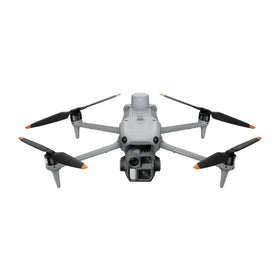
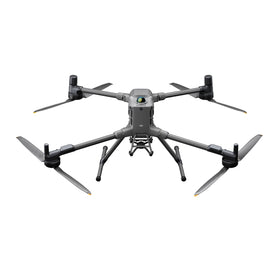
At Reboot Hub, we track the intersection of cutting-edge research and the used drone market. The RoboChem Flex represents a paradigm shift in how chemical R&D is conducted. By automating the synthesis and optimization process, it can perform in weeks what traditionally took months or years. This speed of innovation will directly impact the drone industry by shortening the development cycles for key technologies. For commercial operators flying DJI Matrice 300 RTKs for surveying or Mavic 3 Multispectral for agriculture, the promise of better batteries and more durable airframes is a direct line to improved operational efficiency and lower total cost of ownership.
The RoboChem Flex Breakthrough: What It Means for UAV Technology
The core innovation of the RoboChem Flex lies in its modular design and its "human-in-the-loop" analytics capability. Unlike previous "black box" autonomous systems, the Flex allows researchers to intervene, adjust parameters, and guide the synthesis process. This flexibility is crucial for exploring novel chemical spaces-including those that could yield breakthroughs in drone battery chemistry, such as solid-state electrolytes or high-energy-density cathode materials. The system uses a combination of liquid handling robots, real-time analytical tools (like NMR and HPLC), and a machine learning algorithm to iteratively optimize reaction conditions.
Reader resources
Turn this drone news into a practical next step.
Compare inspected pre-owned DJI drones, repair options, and trade-in timing before the market moves again.
For the drone industry, the most immediate impact will be on battery technology. Current lithium-polymer batteries are a limiting factor for flight time and payload capacity. The RoboChem Flex can rapidly screen thousands of potential electrolyte formulations, identifying those that offer higher energy density, faster charging, and improved safety. This means that within the next 12-24 months, we could see commercial drone batteries with 30-50% greater capacity, directly extending flight times for BVLOS operations and reducing the need for multiple battery sets per mission. This is a game-changer for industries like pipeline inspection, precision agriculture, and search and rescue.
Furthermore, the system can optimize the synthesis of advanced polymers and composites used in drone airframes. Lighter, stronger materials directly translate to increased payload capacity and improved flight dynamics. For operators in the pre-owned DJI drones market, this means that used drones equipped with older battery and material technology may see accelerated depreciation as newer, more efficient models hit the market. However, it also creates a vibrant upgrade cycle, where operators can trade in older units for refurbished models that incorporate these new technologies at a fraction of the cost of new.
Ready to Upgrade Your Fleet?
Browse our collection of inspected pre-owned DJI drones - inspected, flight-tested, and backed by a 6-month warranty. Save up to 40% versus retail.
Impact on Commercial Drone Pilots and the Second-Hand Market
For the thousands of commercial drone pilots operating under FAA Part 107, the RoboChem Flex represents a double-edged sword. On one hand, it promises better hardware-drones that fly longer, carry more, and see better. On the other hand, it accelerates the technology obsolescence cycle. A DJI Phantom 4 RTK that was top-of-the-line in 2024 may feel sluggish compared to a 2027 model powered by RoboChem-optimized batteries and sensors. This creates a dynamic where the used drone market becomes even more critical. Operators can sell their current fleets while they still hold value and upgrade to refurbished models that incorporate the latest chemical and materials science breakthroughs.
Consider the impact on RTK surveying and GSD mapping. A drone with a 50% longer flight time can cover a larger area in a single sortie, reducing the number of batteries needed and the time spent on site. This directly improves the profitability of surveying contracts. Similarly, for precision agriculture, a drone with better multispectral sensors-developed through RoboChem-accelerated R&D-can detect crop stress earlier and with greater accuracy. The second-hand market will see a surge in demand for "mid-cycle" drones-models that are one or two generations old but have been upgraded with new batteries or sensors sourced from the aftermarket.
Furthermore, the RoboChem Flex's "human-in-the-loop" design means that smaller chemical companies and university labs can now compete with large corporations like BASF or DuPont in developing specialty chemicals for drone applications. This democratization of R&D will lead to a proliferation of niche solutions-custom battery chemistries for high-altitude operations, specialized anti-icing coatings for cold-weather flights, and biodegradable materials for environmental monitoring. For the second-hand drone market, this means that a used drone can be retrofitted with these new components, extending its useful life and increasing its resale value.
What Does RoboChem Flex Mean for Drone Battery and Materials Innovation?
The most immediate and tangible impact of RoboChem Flex will be on drone battery technology. Current lithium-ion and lithium-polymer batteries have reached a plateau in energy density. The RoboChem Flex can systematically explore the chemical space of solid-state electrolytes, lithium-sulfur systems, and even novel flow battery concepts for ground-based drone support systems. The system's ability to run hundreds of parallel experiments and analyze results in real-time means that promising candidates can be identified and scaled up in a fraction of the traditional time.
For drone operators, this translates to clear operational benefits. A solid-state battery with a 400 Wh/kg energy density could power a DJI Matrice 350 RTK for over an hour of continuous flight, even with a heavy payload like a LiDAR scanner. For BVLOS operations, this is transformative. It reduces the risk of battery failure mid-mission and allows for longer, more complex flight paths. The RoboChem Flex is not just a lab tool; it is a factory for future drone performance.
Beyond batteries, the system can optimize the synthesis of new polymers for drone propellers and airframes. Quieter, more efficient propellers made from novel composites could reduce noise pollution, a key regulatory hurdle for urban air mobility. Lighter airframes made from carbon-fiber-reinforced thermoplastics could improve flight stability and payload capacity. These materials will eventually find their way into the refurbished market, as older drones are upgraded with new parts. Reboot Hub's professional DJI repair services are already preparing for this influx of next-generation components, ensuring that even used drones can benefit from the latest materials science.
Market Implications and the Future of the Used Drone Ecosystem
The democratization of chemical synthesis via RoboChem Flex will have a profound effect on the drone supply chain. Currently, battery and material innovation is concentrated in a few large companies. The RoboChem Flex lowers the barrier to entry, allowing startups and research institutions to develop and patent novel chemistries. This will lead to a fragmentation of the supply chain, with many small players offering specialized solutions. For the second-hand drone market, this is a net positive. It means that a wider variety of upgrade paths will be available for used drones, increasing their versatility and lifespan.
For example, a used DJI Mavic 3 Enterprise could be retrofitted with a new battery pack developed by a startup using RoboChem Flex-optimized chemistry, giving it a flight time comparable to a pre-owned model. This creates a robust ecosystem where the value of a used drone is not just in its airframe but in its potential for upgrades. Reboot Hub is uniquely positioned to facilitate this transition, offering a marketplace where operators can buy and sell used drones with confidence, knowing that they can be upgraded with the latest technology.
The financial implications are also significant. As battery and material technology advances, the depreciation curve for older drones will steepen. However, the availability of upgrade kits will create a floor for prices, as used drones retain value as platforms for customization. For commercial operators, this means that investing in a refurbishment-labeled DJI drone is not just a cost-saving measure but a strategic move. It allows them to access cutting-edge performance without the capital expenditure of buying new, and to upgrade incrementally as new technologies become available.
FAQ: RoboChem Flex and the Drone Industry
How will RoboChem Flex affect drone battery life?
RoboChem Flex will accelerate the development of solid-state and high-energy-density batteries. Commercial drone operators can expect to see batteries with 30-50% greater capacity within 12-24 months, directly extending flight times for BVLOS and heavy-payload missions.
Can I upgrade my used DJI drone with new RoboChem-inspired technology?
Yes. The modular nature of the drone ecosystem means that new batteries, sensors, and materials can often be retrofitted to existing airframes. Reboot Hub offers professional DJI repair services that can integrate these upgrades, extending the life and value of your used drone.
Will RoboChem Flex make my current drone obsolete?
Not immediately, but the pace of innovation will increase. The best strategy is to monitor the used drone market for trade-in opportunities and upgrade paths. Reboot Hub's inspected pre-owned drones offer a cost-effective way to stay current with the latest technology.
--
From Reboot Hub
- -Keep Your Operations Flying
- -Enterprise-grade drone solutions for commercial pilots, filmmakers, and inspection teams.
- -Pre-owned Fleet
- - - -Fully inspected DJI drones with 6-month warranty. Save up to 40%.
- - - - Browse Inventory -> - - -Expert Repair
- - - -Professional diagnostics with genuine OEM parts. Same-day estimates.
- - - - Book a Repair -> - - -Spare Parts
- - - -Batteries, propellers, gimbals -- premium OEM components, fast shipping.
- - - - Shop Parts -> - - -