JPMorgan Bets Big on Cognex: What This AI Vision Upgrade Means for Drone Technology
JPMorgan just dropped a bombshell on the industrial tech world, upgrading Cognex (NASDAQ:CGNX) to Overweight with a $75 price target, betting on a "proprietary AI-enabled solutions" revolution. For drone operators using automated inspection or BVLOS routes, this signals a seismic shift in sensor capability. Is your current payload ready for the AI era, or will you be stuck with sub-2cm GSD mapping data? The upgrade cycle is coming, and the cost of inaction is falling behind the competition.

Редакционные заметки
- Эта статья объединяет данные внешних отчетов с собственным анализом Reboot Hub для покупателей БПЛА, операторов парка, клиентов сервисных центров и наблюдателей за рынком подержанных DJI.
- Факты из источников отделены от интерпретации. Если в отчете недостаточно данных, в статье указывается на это ограничение, а позиция Reboot Hub подается как аналитическая гипотеза.
- Reboot Hub размещает коммерческие ссылки на продукты и услуги по ремонту БПЛА; эти ссылки служат ресурсом для читателей и не определяют выводы статьи.
In a move that sent ripples through the industrial automation and robotics sectors this week, JPMorgan Chase & Co. issued a major upgrade for Cognex Corporation (NASDAQ:CGNX), raising its rating from Neutral to Overweight and boosting the price target to $75. The catalyst? A bold bet that Cognex's "proprietary AI-enabled solutions" will fundamentally reshape the machine vision landscape, effectively doubling its addressable customer base by fiscal year 2027.
While the news was initially framed within the context of factory automation and logistics, its implications extend far beyond the warehouse floor. For the commercial drone industry, which relies on the exact same core technologies-cameras, sensors, and real-time image processing-the JPMorgan upgrade is a powerful signal. It validates a thesis that Reboot Hub has been tracking for months: the convergence of edge AI and high-precision optical sensors is about to create a new generation of aerial intelligence.
The Cognex Thesis: Why AI is the "Doubling" Factor
JPMorgan's analysis hinges on a simple but powerful multiplier effect. Cognex is already the dominant player in industrial machine vision, providing the "eyes" for robots on assembly lines. However, traditional vision systems require extensive programming and calibration for each specific task. This high barrier to entry limits the total addressable market (TAM).
Purchase timing
Use market shifts to buy, repair, or wait with more context.
Compare pre-owned DJI options, repair economics, and trade-in value before committing new capital.
The bank's new thesis posits that by integrating proprietary AI models directly into its vision systems, Cognex can create "out-of-the-box" solutions that require far less customization. A system that can be "trained" on the fly to inspect a smartphone screen, a pharmaceutical vial, or a weld joint-without a team of coders-suddenly becomes accessible to small and medium-sized enterprises (SMEs). This is the "doubling" of the customer base that JPMorgan is betting on.
For drone technology, this is a perfect parallel. Today, a drone equipped for precision agriculture or infrastructure inspection often requires specialized payloads (like a Micasense RedEdge or a DJI Zenmuse L1) and expert pilots to interpret the data. The "AI-enabled" vision sensor promises to shrink this gap, embedding the intelligence directly into the camera module.
What This Means for Drone Payloads and BVLOS Operations
The immediate takeaway for commercial drone operators is that the sensors powering the next generation of UAVs are about to get significantly smarter. We are moving from passive cameras that capture raw data to active sensors that interpret that data in real-time.
Consider a Beyond Visual Line of Sight (BVLOS) inspection of a power line. A current-generation drone might capture 4K video that is analyzed hours later by a human. An AI-enabled vision sensor, leveraging the same type of technology Cognex is developing, could instantly detect a frayed wire, a hot spot, or a structural anomaly, and autonomously adjust the flight path for a closer look-all while the aircraft is still 3 kilometers away from the pilot. This is not science fiction; it is the direct application of the "proprietary AI-enabled solutions" JPMorgan is referencing.
This shift has massive implications for the second-hand drone market. As fleets are upgraded to leverage these new intelligent sensors, older platforms with standard RGB cameras will flood the market. This is a classic technological disruption: the value of "dumb" sensors will depreciate rapidly as the industry demands "smart" ones.
Ready to Upgrade Your Fleet?
Browse our collection of inspected pre-owned DJI drones - inspected, flight-tested, and backed by a 6-month warranty. Save up to 40% versus retail.
Q&A: What Does the Cognex Upgrade Mean for Drone Pilots and Operators?
Question: I am a commercial drone pilot specializing in aerial surveying. How does a factory-floor vision company affect my business?
Answer: Directly and immediately. The AI models that Cognex is perfecting for factory inspection are the same ones that will be miniaturized and ruggedized for drone payloads. Expect to see the next generation of DJI Enterprise or Autel Robotics cameras to feature on-board AI processing. This will allow for real-time Ground Sample Distance (GSD) optimization and automated feature detection. If you are currently charging clients for hours of manual data processing, that revenue stream is at risk. The market is shifting toward "in-flight insights," not just "post-flight data."
Question: Does this affect the value of my current drone fleet?
Answer: Yes. As with any technological leap, the introduction of AI-enabled sensors will accelerate the depreciation of older hardware. If you are flying a DJI Phantom 4 Pro or an older Matrice 200 series with a standard X5S camera, the resale value will be under pressure. However, this creates a strategic opportunity for savvy buyers. The influx of trade-ins from operators upgrading to AI-enabled systems means a surge in high-quality, affordable used drones. This is where the used drone market becomes a goldmine for operators who need capable platforms at a fraction of the cost.
Question: What about the regulatory side? Will the FAA or EASA need to approve these AI sensors?
Answer: This is a critical point. The FAA Part 107 and Part 135 frameworks currently focus on the aircraft's airworthiness and the pilot's certification. The payload is often considered a "non-essential" component. However, as AI sensors begin to make autonomous decisions-like changing a flight path based on real-time analysis-the regulatory landscape will change. We anticipate that the FAA will eventually require a separate certification for "autonomous decision-making payloads," especially for BVLOS operations. This will be a multi-year process, but the technology is moving faster than the law. Operators should stay informed and ensure their systems are compliant with current standards.
Market Analysis: The Second-Hand Drone Market and the AI Upgrade Cycle
For Reboot Hub and our community of operators, this news crystallizes a major market trend. The JPMorgan upgrade is not just a stock tip; it is a roadmap for the next 18 months of hardware evolution.
We are entering a classic "upgrade cycle" in the drone industry. The first wave was the transition from analog to digital FPV. The second was the integration of RTK GPS for survey-grade accuracy. The third wave, now being validated by Wall Street, is the shift to edge AI for sensor processing.
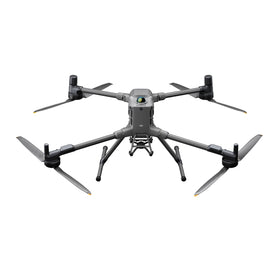
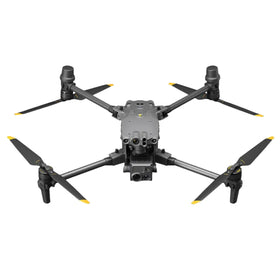
For the everyday commercial operator, this creates a clear strategic imperative. If your current drone fleet is more than two years old, it is likely running on "dumb" sensor technology. The cost of upgrading to a new AI-enabled platform can be prohibitive, often exceeding $15,000 for a fully configured enterprise system. This is precisely why the second-hand market is so vital. By selling your current fleet now, before the depreciation accelerates, you can capture maximum value. Then, by purchasing a slightly older but still highly capable platform (like a DJI M300 RTK with a H20T camera), you can maintain operational capacity while freeing up capital for the future AI upgrade.
Furthermore, the reliability of these advanced systems is paramount. A sensor failure during a critical BVLOS mission can lead to data loss, mission abort, or even a flyaway. This is why access to professional DJI repair services is non-negotiable. Keeping your current fleet in peak condition extends its operational life and ensures you can command the best possible resale price when you do decide to upgrade.
The Bottom Line: Wall Street is Betting on Smarter Eyes
The JPMorgan upgrade of Cognex to Overweight with a $75 price target is a powerful validation of the AI-enabled vision thesis. It signals that the financial markets believe the technology is mature enough to drive a significant expansion of the total addressable market. For the drone industry, this is a call to action.
The days of the "dumb camera" are numbered. The future belongs to drones that can see, think, and act independently. Whether you are a mapping specialist, a crop duster, or an inspection pilot, the tools of your trade are about to become exponentially more intelligent. The question is not whether this change is coming, but whether you are ready to adapt.
FAQ: The Cognex Upgrade and Your Drone Business
Q: Is the Cognex upgrade directly related to drone stocks like DJI?
A: No, DJI is a private company. However, the technology trend validated by the Cognex upgrade applies directly to the sensors used on DJI Enterprise drones (e.g., the Zenmuse series). It signals a market-wide shift toward on-board AI processing.
Q: Will this make my current drone obsolete?
A: Not immediately, but it will accelerate its depreciation. The value of non-AI drones will decline as the market shifts to smarter payloads. This is the best time to sell used equipment and buy pre-owned DJI drones to bridge the gap to the next generation.
Q: What specific drone models will benefit from this AI sensor trend?
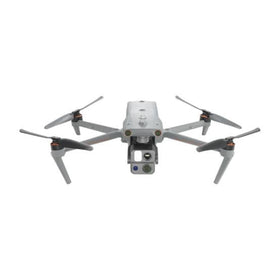
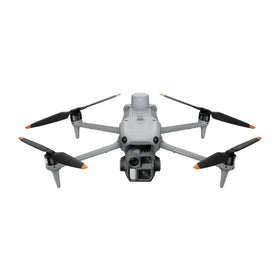
A: We expect the next iterations of the DJI Matrice 400 series, Autel Robotics EVO Max 4T, and Skydio X10 to feature heavily integrated AI processing. For now, platforms like the DJI Mavic 3 Enterprise can be upgraded with third-party payloads that offer limited AI capabilities, but the native integration is still a year or two away.
-
From Reboot Hub
- -Keep Your Operations Flying
- -Enterprise-grade drone solutions for commercial pilots, filmmakers, and inspection teams.
- -Pre-owned Fleet
- - - -Fully inspected DJI drones with 6-month warranty. Save up to 40%.
- - - - Browse Inventory -> - - -Expert Repair
- - - -Professional diagnostics with genuine OEM parts. Same-day estimates.
- - - - Book a Repair -> - - -Spare Parts
- - - -Batteries, propellers, gimbals -- premium OEM components, fast shipping.
- - - - Shop Parts -> - - -