Германия профинансирует боевые дроны 50,000 для Украины: встряска рынка
План Германии по финансированию ударных дронов 50,000 для Украины сигнализирует о массовом всплеске закупок оборонных дронов. Это влияет на цепочки поставок компонентов, рынок подержанных DJI и спрос на ремонт коммерческих операторов по всему миру.

В июле агентство Reuters сообщило, что Германия планирует профинансировать закупку ударных беспилотников 50,000 для Украины. Масштаб этого обязательства — единиц 50,000 — представляет собой одну из крупнейших программ закупок дронов за пределами Китая за последние годы. Для коммерческих операторов UAV, менеджеров автопарков и участников рынка подержанных дронов последствия выходят далеко за рамки поля боя. Когда крупная промышленная экономика выделяет десятки тысяч единиц для военного использования, это ощущается в доступности компонентов, ценовом давлении на платформы среднего класса и стратегических сроках принятия торговых решений.
Это не отдаленный геополитический заголовок. Этот шаг Германии сигнализирует о том, что мощности по производству дронов перенаправляются такими темпами, которых коммерческие покупатели не видели с первых дней конфликта на Украине. Цифра 50,000 не является символической — это цель закупок, которая будет потреблять двигатели, контроллеры полета, батареи и планеры, которые в противном случае могли бы выйти на коммерческий или подержанный рынок. Для тех, кто планирует расширение автопарка или сделку по программе trade-in в ближайшие месяцы с 12 по 18, это событие заслуживает пристального внимания.
За решением: масштаб и скорость
Отчет Reuters, обобщенный Цензор.НЕТ, подтверждает, что Германия переходит к финансированию ударных дронов 50,000 для Украины. Точный тип дрона, сроки и участвующие производители в доступных исходных данных не уточняются. Но само число — 50,000 — является ключевой оперативной деталью. Для сравнения: это примерно общее количество коммерческих дронов, проданных в Европе за хороший квартал всех брендов. Единичные военные закупки такого масштаба оказывают немедленное повышательное давление на цены на компоненты добывающей промышленности, особенно на бесщеточные двигатели, литий-полимерные аккумуляторные элементы и легкие композитные материалы.
Fleet readiness
Keep DJI hardware available without overbuying new units.
Use defense and fleet news as a planning signal for repair support, inspected pre-owned aircraft, and replacement timing.

Аппарат оборонных закупок Германии обычно работает через авторитетных европейских производителей и интеграторов дронов. Хотя источник не называет конкретные компании, вполне вероятно, что в этом будут участвовать такие фирмы, как Donaustahl, Quantum-Systems и другие, имеющие производственные линии в странах NATO. Структура финансирования — будь то прямая покупка, возмещаемые контракты или объект, управляемый правительством Германии — также не уточняется. Тем не менее, сигнал рынка ясен: военный спрос на дроны растет, и коммерческие покупатели будут конкурировать за одно и то же сырье.
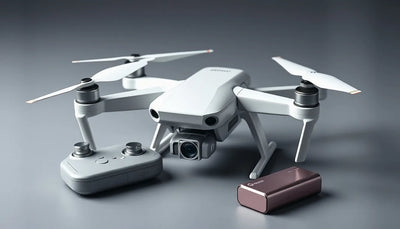
Для операторов автопарка, использующих такие платформы, как DJI Matrice 300 или DJI Mavic 3, насущной проблемой является не нехватка готовых дронов, а возможное увеличение количества оригинальных запасных частей OEM. Особенно подвержены воздействию аккумуляторы, которые являются расходными материалами с ограниченным сроком службы. Если большая часть мирового производства аккумуляторных элементов будет перенаправлена на производство дронов военного уровня, цены на аккумуляторы большой емкости и с высоким уровнем разряда могут вырасти. Операторы, которые полагаются на профессиональные услуги по ремонту DJI, возможно, захотят рассмотреть возможность создания запасов критически важных запасных частей сейчас, а не ждать, пока их поставки станут непредсказуемыми.
Цепочка поставок и рынок коммерческих дронов
Программа установки 50,000 неизбежно будет опираться на ту же глобальную цепочку поставок, которая обслуживает коммерческую промышленность UAV. Многие компоненты, такие как платы контроллеров полета, модули GPS и датчики LiDAR, используются как военными, так и гражданскими дронами. Хотя военные дроны часто используют проприетарное программное обеспечение, источники аппаратного обеспечения существенно совпадают. Это особенно актуально для небольших ударных дронов, которые все чаще строятся из готовых компонентов, чтобы снизить стоимость и ускорить производство.
Что это означает для рынка подержанных дронов DJI? На прошлых этапах конфликта рынок подержанных товаров испытывал два противоположных эффекта. С одной стороны, некоторые операторы продавали свои дроны профессионального уровня, чтобы профинансировать обновление до более новых моделей, увеличивая предложение. С другой стороны, общий спрос на планеры вырос, поскольку покупатели искали более дешевые альтернативы новому оборудованию. Ситуация создала волатильность цен, особенно на такие популярные модели, как DJI Mavic 2 Enterprise и DJI Inspire 2.
На этот раз масштабы военных закупок на порядок больше. Благодаря финансированию модулей 50,000 рост стоимости компонентов будет более выраженным. Для покупателей на проверенном рынке подержанных автомобилей DJI это может означать более короткие периоды выгодных цен. Продавцы, которые не решаются торговать старыми самолетами, могут обнаружить, что в ближайшие несколько месяцев их стоимость при перепродаже увеличится, поскольку спрос на исправные планеры увеличится. И наоборот, покупатели могут захотеть принять меры до того, как запасы еще больше сократятся.
Reboot Hub подержанные дроны DJI запасы отражают текущие рыночные условия, и предложение нетронутых бывших в употреблении единиц может быстро измениться, когда происходят подобные макрозакупки. Руководителям автопарка следует рассмотреть возможность руководство по обмену дронов чтобы оценить, является ли сохранение старых платформ оптимальным, или же своевременное обновление имеет больше смысла, пока торговые ценности поддерживаются растущим спросом.
Что это значит для покупателей дронов
Для покупателей дронов, принимающих сегодня решения о покупке, представленные Германией ударные дроны 50,000 привносят в уравнение несколько конкретных факторов. Во-первых, сроки поставки новых коммерческих дронов среднего и высокого класса могут увеличиться. Производители, которые также обслуживают оборонные контракты, будут отдавать приоритет военным заказам, особенно если эти заказы связаны с необходимостью национальной безопасности. Это не гипотеза — аналогичное увеличение сроков поставки произошло с 2022, когда нехватка компонентов преследовала DJI и другие бренды.
Во-вторых, рынок подержанных дронов, таких как DJI Phantom 4 Pro, DJI Mavic 3 Enterprise и серия Matrice, может стать более конкурентоспособным. Поскольку коммерческие покупатели видят, что время ожидания новых единиц увеличивается, они могут перейти к профессионально проверенным подержанным товарам. Этот возросший спрос может привести к росту цен на 5 до 15 процентов в следующем квартале, в зависимости от модели и состояния. И наоборот, продавцы, действующие сейчас, могут получить премию до того, как рынок приспособится.
Reboot Hub анализ: В-третьих, затраты на ремонт могут возрасти. Оригинальные запасные части OEM, особенно аккумуляторы и двигатели, вероятно, станут дороже, и их будет сложнее найти. Операторы, которые полагаются на профессиональные услуги по ремонту DJI следует планировать заранее. Наличие запасного силового модуля или комплекта пропеллеров на полке — это простая страховка от потенциальной нехватки. Экосистема ремонта устойчива, но она зависит от тех же каналов поставок, которые сейчас используются для военных закупок.
Наконец, это решение подчеркивает продолжающийся сдвиг в восприятии дронов: от нишевых инструментов для хобби к важнейшим средствам обороны. Такое восприятие может ускорить изменения в законодательстве в некоторых регионах, что потенциально повлияет на регистрацию, страхование и экспортный контроль. Покупатели должны быть в курсе местной нормативной базы, особенно если они перемещают дроны через границы для операций или торговли.
Практические шаги для операторов и менеджеров автопарка
Учитывая неопределенность, вызванную обязательством Германии по созданию беспилотников 50,000, наиболее разумным подходом является согласование решений о закупках и техническом обслуживании с новой реальностью. Вот три конкретных действия, которые могут предпринять операторы:
- Проверьте наличие запасных частей до октября 2026. Если вы управляете парком дронов 10 или более, оцените текущий запас аккумуляторов, двигателей и пропеллеров. Размещайте заказы на критически важные запасные части прямо сейчас, поскольку сроки выполнения заказов могут увеличиться в Q4 2026.
- Оцените сроки обмена. Если у вас есть DJI Mavic 3 или Matrice 300, основной срок службы которых приближается к концу, рассмотрите возможность обмена на них в течение следующих двух месяцев. Ранние сделки по обмену могут принести более высокие оценки, в то время как рынок подержанных автомобилей все еще впитывает новости.
- Отслеживайте тенденции цен на подержанные товары. Используйте платформы, которые предлагают проверенные бывшие в употреблении дроны DJI с прозрачной оценкой состояния. Снижение цен на популярные модели вероятно, но может быть постепенным. Покупка до того, как рынок полностью учтет военный спрос, является консервативной стратегией.
Для индивидуальных покупателей дронов вывод проще: не откладывайте запланированную покупку, если вам нужна конкретная модель для проекта в этом году. Сочетание оборонных закупок и обычного летнего спроса может сузить окно доступных запасов. Рынок подержанного оборудования остается надежным источником качественного оборудования, но время имеет большее значение, чем обычно.
Повлияет ли это на доступность конкретно дронов DJI?
Источник не указывает, что дроны DJI являются частью финансируемой Германией закупки. Однако у DJI многие поставщики компонентов совпадают с более широкой индустрией дронов. Если эти поставщики выделят больше мощностей для оборонных контрактов, сроки поставок запасных частей и новых агрегатов DJI могут увеличиться. Эффект косвенный, но реальный, особенно для аккумуляторов и двигателей.
Стоит ли мне продавать свой старый дрон сейчас или подождать?
Непосредственным эффектом заявления Германии может стать умеренное увеличение спроса на бывшие в употреблении дроны, поскольку коммерческие покупатели ищут альтернативы более длительным срокам поставки новых устройств. Если у вас есть модель с высоким спросом, такая как DJI Mavic 3 Enterprise или Matrice 300,, продажа в ближайшие несколько недель может принести более выгодную цену, чем ожидание шесть месяцев. Используйте руководство по обмену дронов оценить текущую стоимость.
Подходящее ли сейчас время для инвестиций в новый парк коммерческих дронов?
Да, если вы можете обеспечить себе модули и запасные части прямо сейчас. Среднесрочный прогноз предполагает сокращение предложения и рост затрат. Операторы, которые завершат покупки в Q3 2026, скорее всего, смогут избежать худшего ценового давления. Для тех, у кого бюджет гибкий, рассмотрение проверенных подержанных запасов предлагает экономически эффективный путь без ущерба для надежности.