Drones as AC? What the cooling trend means for buyers
A recent article argues drones can replace air conditioning in certain settings. For buyers, this signals a need for heavier payloads, longer endurance, and robust maintenance. We break down the hardware and market realities.

Редакционные заметки
- Эта статья объединяет данные внешних отчетов с собственным анализом Reboot Hub для покупателей БПЛА, операторов парка, клиентов сервисных центров и наблюдателей за рынком подержанных DJI.
- Факты из источников отделены от интерпретации. Если в отчете недостаточно данных, в статье указывается на это ограничение, а позиция Reboot Hub подается как аналитическая гипотеза.
- Reboot Hub размещает коммерческие ссылки на продукты и услуги по ремонту БПЛА; эти ссылки служат ресурсом для читателей и не определяют выводы статьи.
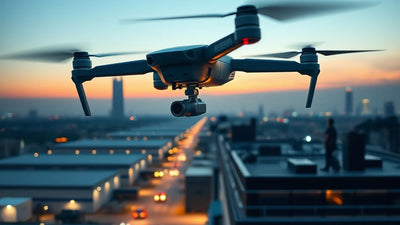
A recent article on digitalcameraworld.com argues that you can use a drone instead of an air conditioner, framing the unmanned aerial vehicle as a cooling tool for outdoor events, construction sites, or agricultural work. While the concept is still niche, it signals a broader market trend: enterprise drones are being evaluated for environmental-control roles far beyond traditional imaging and inspection. For drone buyers, fleet operators, and repair customers, this shift carries concrete hardware, compatibility, and aftermarket implications that deserve a grounded look.

In this analysis, we translate the cooling-drone thesis into actionable decisions for those who purchase, maintain, or resell commercial UAVs. We draw on verified specifications for the DJI Dock 3—a ground station that supports the heavy-lift platforms likely used in such roles—and connect the news to real-world considerations for payload, endurance, thermal stress, and second-hand inventory.
The cooling-drone concept and its hardware realities
The source article presents drones as viable substitutes for traditional air conditioning in scenarios where portability, rapid deployment, or limited infrastructure makes conventional AC impractical. Typical use cases might include cooling a film set, moderating temperature at a temporary medical tent, or providing air circulation in a greenhouse during a heatwave. The drone carries a payload—likely a fan, misting system, or evaporative cooler—and hovers at a fixed altitude to circulate or cool the air below.
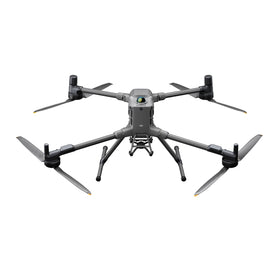
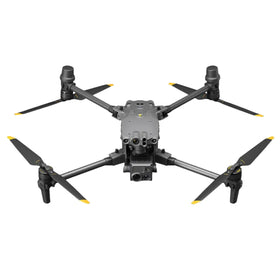
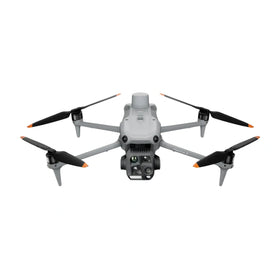
This is not a trivial application. Even a small evaporative cooler adds several kilograms of payload, requiring a drone with sufficient lift capacity. The DJI Matrice 350 RTK, for example, has a maximum takeoff weight of roughly 9 kg and can carry a payload of up to 2.7 kg using the included hardware. For heavier cooling payloads, larger platforms like the DJI Matrice 600 Pro or purpose-built industrial drones would be needed. Battery endurance also becomes critical: hovering with a heavy payload drains batteries faster than flying a survey route. A typical flight might last 20–30 minutes under such loads, making hot-swap batteries or a docking station essential for sustained operation.
The operating environment further complicates matters. Cooling drones will likely be deployed in hot, dusty conditions. The verified spec database lists the DJI Dock 3 with an operating temperature range of -30 °C to 50 °C and an IP56 rating, indicating protection against dust and powerful water jets. While the Dock 3 itself is a ground station, its environmental tolerances reflect the kind of ruggedness required for the entire system. Buyers considering cooling applications should prioritize drones and ground equipment that match or exceed these specifications. The Dock 3’s maximum landing wind speed of 12 m/s (about 27 mph) also matters: cooling operations often happen in breezy outdoor settings, and the drone must be able to land safely when wind picks up. Finally, the Dock 3’s maximum operating altitude of 4,500 m suggests that cooling drones could be viable even in high-elevation job sites, though air density at altitude reduces lift and cooling efficiency.
What this means for drone buyers
If you are evaluating the purchase of a drone for cooling or other environmental-control tasks, the primary considerations shift from camera payloads to mechanical payloads and endurance. Here are the key decision points:
Commercial drone planning
Build the next fleet step around inspected hardware and serviceable parts.
Use Reboot Hub to compare certified DJI drones, repair options, and OEM components before the market moves again.
- Payload capacity and mounting: Ensure the drone has a dedicated payload bay or mounting plate that can securely hold a cooling unit. Some enterprise drones, like the DJI Matrice 350 RTK, support third-party payloads via a standard SDK interface, but you may need a custom mount. Check compatibility with existing payloads or be prepared to fabricate one.
- Battery endurance and quick-swap capability: A cooling drone needs to hover for extended periods. Look for models that support hot-swap batteries (e.g., the Matrice 350 series with its TB65 batteries) and consider investing in a docking station such as the DJI Dock 3, which supports automated battery charging and deployment. The Dock 3’s maximum input power of 800 W indicates it can recharge batteries relatively quickly, reducing downtime.
- Thermal management of the drone itself: Cooling payloads often produce moisture or fine water droplets. The drone’s electronics must be protected. An IP rating of at least IP43—and preferably IP45 or higher—is recommended. The DJI Dock 3’s IP56 rating sets a benchmark for the overall system’s weather resistance.
- Operating temperature range: Verify that the drone can operate safely in the ambient temperatures where you plan to use it. The verified spec for the Dock 3 shows -30 °C to 50 °C, which is a wide range. Most enterprise drones have similar tolerances, but consumer models typically top out at 40 °C.
- Noise and local regulations: A hovering cooling drone creates noise that may be unacceptable in residential or quiet commercial zones. Check local noise ordinances before purchasing, especially for prolonged operation.
For buyers who already own a suitable drone and are retrofitting it for cooling, pay close attention to center-of-gravity and vibration dampening. An unbalanced payload can stress the gimbal or lead to unstable flight. Professional repair and integration services are often needed to certify the installation. Reboot Hub offers professional DJI repair services with genuine parts for such modifications, ensuring the drone remains safe and under warranty.
Repair and maintenance implications of cooling drone missions
Cooling missions present unique wear factors. The constant hover at low altitude exposes the drone to dust, pollen, and water vapor that might not be present in surveying or inspection flights. Motors and ESCs (electronic speed controllers) work harder to maintain position, generating more heat. Over time, this can degrade bearings and solder joints. The cooling payload itself adds an additional electrical load, potentially stressing the battery management system.
Regular maintenance becomes more frequent. Filters may need cleaning after every 10–20 flight hours. Propeller blades should be inspected for nicks and deformation caused by the turbulent airflow near buildings or crowds. The gimbal and payload mount should be checked for corrosion if the cooling unit uses water or mist. Using OEM spare parts from Reboot Hub ensures that replacements match the original tolerances and are certified for flight safety. For fleet operators, scheduling biweekly or even weekly checkups based on flight hours and dust exposure is prudent.
Batteries also suffer. The high-current draw during hover with a heavy payload accelerates capacity loss. Track cycle counts carefully; many DJI enterprise batteries provide this data via the app. When batteries drop below 80% of rated capacity, consider replacing them. A certification from a professional repair center can extend the overall service life of the drone, but eventually, used drone inventory will see an influx of high-hour airframes that were used for such demanding roles. That leads us to the second-hand market.
Second-hand and inventory market impact
The idea that drones can serve as AC substitutes, even loosely, expands the potential addressable market for used enterprise drones. Small construction firms, event organizers, and agricultural cooperatives that might not have considered drone ownership before may now look for affordable used Matrice 300 or Matrice 350 units. This incremental demand could firm up prices for heavy-lift drones in the secondary market, especially for airframes with low flight hours and verified maintenance logs.
Conversely, the cooling application may accelerate the retirement of drones that have spent hundreds of hours hovering in dusty, hot conditions. Those airframes, once pulled from active fleets, become candidates for part-outs or refurbishment. The availability of certified refurbished DJI drones from established outlets like Reboot Hub provides buyers with a risk-reduced entry point. It also gives sellers a transparent channel to offload well-maintained equipment before it accumulates heavy wear.
For operational fleets, the cooling trend reinforces the value of modular design. A drone that can be repurposed between survey, inspection, and cooling missions is a more versatile asset. That versatility supports stronger resale value, as buyers know they are acquiring a platform that can handle multiple roles. As always, thorough inspection of the flight controller logs, motor hours, and battery health is essential before any used purchase. Reboot Hub’s repair and refurbishment expertise can help establish baseline condition for pre-owned purchases.
Frequently Asked Questions
Can any commercially available drone be used as an air conditioner?
In theory, many consumer and prosumer drones can carry a small fan or evaporative cooling pack, but endurance and payload limits make sustained cooling impractical. Enterprise drones with larger payload capacity and battery systems—such as the DJI Matrice 350 RTK or Matrice 600—are better suited, but custom mounting and certification are still required. The concept remains experimental and has not been widely validated for full-scale deployment.
How does battery life affect a cooling drone mission?
Hovering with a heavy cooling payload significantly reduces battery endurance. A typical Matrice 350 RTK might fly for about 20 minutes under such load, compared to 55 minutes in a survey profile. Buyers should budget for multiple battery packs and a docking station with fast charging, such as the DJI Dock 3, which supports 800 W input. Real-world cooling operations may require battery swaps every 15–20 minutes.
Where can I buy a refurbished drone suitable for payload-heavy missions?
Certified refurbished DJI drones with verified maintenance histories are available through Reboot Hub’s refurbished drone collection. For platforms that will be retrofitted with non-standard payloads, professional repair and installation services are strongly recommended to ensure flight safety and compliance. Reboot Hub’s OEM spare parts and repair center can support those upgrades.
Disclaimer: The cooling-drone application discussed is based on a single article and remains unproven at scale. All technical specifications referenced come from DJI’s official documentation for the DJI Dock 3. Buyers should perform their own due diligence and consult with a certified drone service provider before modifying airframes for non-standard uses.
From Reboot Hub
Build the next fleet step around inspected hardware and serviceable parts.
Use Reboot Hub to compare certified DJI drones, repair options, and OEM components before the market moves again.
Certified DJI drones
Inspected pre-owned aircraft with warranty coverage and clear condition grading.
Browse inventory ->Genuine-part repair
Diagnostics, repair planning, and component replacement for working DJI fleets.
Book a repair ->OEM spare parts
Batteries, propellers, gimbals, and essential DJI components for faster recovery.
Shop parts ->