AeroVironment Earnings Signal Geopolitical Tailwinds for Drone Market
AeroVironment’s strong earnings, amplified by the Russia-Ukraine war, signal sustained demand for ISR drones. For fleet operators and second-hand buyers, this means supply chain shifts, potential pricing changes, and new opportunities in the pre-owned market.

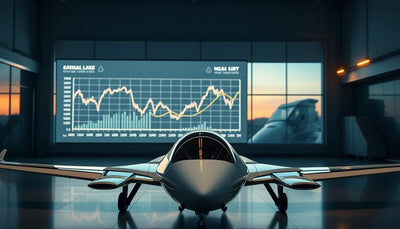
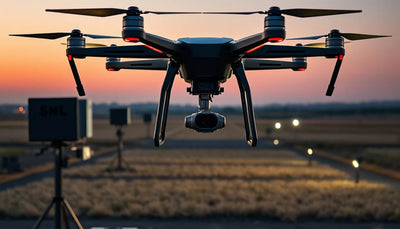
AeroVironment, the US defense drone maker, recently reported a blistering earnings performance that caught the attention of investors and defense analysts alike. The company behind the Switchblade loitering munition and a range of small unmanned aircraft systems (UAS) is benefiting from what Barron’s calls a “geopolitical tailwind” tied to the long-lasting Russia-Ukraine war. For drone buyers, fleet operators, and participants in the pre-owned market, this is not just a stock story. It signals sustained demand for ISR (intelligence, surveillance, reconnaissance) drones, potential shifts in manufacturing priorities, and ripple effects that will reach commercial and second-hand channels.
The original source analysis, published on Barchart and highlighted by Yahoo Finance, notes that AeroVironment’s earnings performance has been the primary driver of its stock momentum. But the ongoing conflict in Eastern Europe has created a structural backdrop for defense spending that is unlikely to fade quickly. This article breaks down what that means for operators who own DJI drones, those shopping for pre-owned equipment, and anyone managing repair or spare-parts budgeting.
Why AeroVironment’s earnings matter to drone operators
At first glance, a defense contractor’s quarterly results may seem distant from the commercial drone hangar. However, AeroVironment’s product line—small, portable UAS used for battlefield surveillance and targeting—sits in the same operational sweet spot as many enterprise and public-safety drone fleets. When a major OEM like AeroVironment reports strong earnings driven by war-related orders, it indicates that government customers are aggressively buying small drones. That buying pressure can cascade through the global supply chain for sensors, batteries, airframes, and electronics.
Purchase timing
Use market shifts to buy, sell, repair, or wait with more context.
Compare trade-in timing, pre-owned DJI pricing, and repair economics before committing new capital.

For fleet operators, the immediate implication is that components such as IR cameras, GPS modules, and high-density lithium cells may see longer lead times or increased costs if defense procurement absorbs a significant share of manufacturing capacity. In the pre-owned DJI market, where many commercial operators source their platforms, any tightening in the supply of comparable new units can push buyers toward inspected pre-owned drones as a practical alternative. This dynamic has already been observed in other defense-driven procurement cycles.
The source specifically names AeroVironment’s “blistering earnings” as the big takeaway, and the war as a secondary catalyst. That distinction is important: the company’s financial strength is real, and the prolonged conflict in Ukraine only reinforces the need for persistent, long-endurance drone systems. Operators who rely on DJI’s Matrice, Mavic, or Phantom lines should note that the same geopolitical factors that boost AeroVironment also drive global interest in small UAS, which can lift demand for all segments of the market.
Geopolitical catalysts and the drone supply chain
Since February 2022, the Russia-Ukraine war has fundamentally altered how nations procure and deploy drones. Both sides have used small commercial drones for reconnaissance and munitions delivery, while demand for purpose-built military UAS has surged. AeroVironment’s Switchblade systems have been deployed in Ukraine, and the company’s order backlog has grown as the U.S. and allied countries replenish their inventories. The source describes this as a “geopolitical tailwind”—a sustained increase in defense spending that supports the company’s valuation and growth trajectory.
For commercial operators, the tailwind also brings headwinds. A longer war means that manufacturing lines for sensors, motors, and flight controllers are more likely to be partly or fully dedicated to defense contracts. Lead times for certain OEM replacement parts—especially for DJI drones—may extend, and prices for genuine spare parts could rise as raw material costs increase. The pre-owned DJI drones market becomes particularly relevant here: when new unit availability is constrained, inspected pre-owned airframes offer a faster, more predictable procurement path.
Additionally, some fleet managers are reassessing their reliance on a single brand, especially DJI, given ongoing regulatory concerns and potential import restrictions. The war has accelerated dual-use security reviews in multiple countries, prompting some public-safety and enterprise operators to seek non-DJI alternatives. AeroVironment, with its proven military pedigree and growing commercial footprint, is one such alternative, though its pricing is typically above DJI’s consumer models. For operators who decide to diversify, the secondary market for DJI drones may see increased inventory as fleet upgrades occur, which is a favorable time to consult a drone trade-in guide to maximize value on existing equipment.
What this means for drone buyers
If you are actively buying drones for a commercial fleet, upgrading an existing system, or entering the pre-owned market, the AeroVironment story offers several concrete signals.
1. Plan for tight supply. The same defense-driven demand that lifts AeroVironment’s order book is pulling components from the commercial supply chain. If you are considering a new Matrice 30 or Mavic 3 Enterprise, you may face longer delivery windows. Pre-owned platforms from verified sources become a faster alternative.
2. Watch repair lead times. Genuine OEM parts for DJI drones, such as gimbal ribbon cables, battery modules, and main boards, are sourced from the same factories that support consumer and enterprise production. Defense procurement spikes can redirect factory output, meaning that turnaround times for professional DJI repair services may stretch. Proactive maintenance and stocking of critical spares is advisable.
3. Consider the pre-owned opportunity. When new-equity cost and availability become uncertain, the second-hand market often corrects with a lag. Currently, inspected pre-owned DJI drones represent a strong value proposition, especially for budget-conscious operators who do not require the newest sensor generation. The geopolitical tailwind for defense drones may compress new-unit supply for 12–18 months, making pre-owned the pragmatic choice for many deployments.
4. Hold or sell? If you own DJI equipment that is lightly used, the current environment may be an advantageous time to sell. Defense-funded buyers and rental fleets are absorbing inventory. Using a structured trade-in program or direct sale through reputable channels can yield above-average returns. The drone trade-in guide is a helpful starting point for evaluating your asset’s residual value.
How fleet managers and repair customers can prepare
Uncertainty in the supply chain is the single most actionable takeaway from the AeroVironment earnings news. Fleet managers should review their current inventory and forecast replacement cycles over the next 12 months. If you anticipate needing a new airframe, ordering early or sourcing an inspected pre-owned unit now can avoid delays later in 2026.
Repair customers should pay attention to component availability. DJI genuine OEM parts—such as ESCs, camera sensors, and landing gear actuators—are widely available through authorized repair channels, but lead times can fluctuate. The source does not provide specific part numbers or availability data, but the general pattern from defense-driven demand is that consumer- and enterprise-grade components get reallocated to higher-margin government contracts. Using a repair service that stocks genuine parts and maintains a direct relationship with DJI’s supply chain can reduce downtime.
For those managing a mixed fleet that includes non-DJI platforms, keep an eye on AeroVironment’s commercial product announcements. If the company leverages its military expertise to offer a cost-effective ISR drone for the enterprise market, early adopters may find a new option for persistent surveillance. However, no such product is mentioned in the source, so this remains a forward-looking possibility rather than an imminent launch.
Finally, the most durable lesson from this financial catalyst is that drone procurement is now directly tied to geopolitical events. The Russia-Ukraine war is not a short-term shock; it is reshaping the entire drone ecosystem. Operators who build flexibility into their fleet planning—by maintaining a mix of new, pre-owned, and trade-ready assets—will be better positioned to handle supply disruptions, price shifts, and evolving regulatory landscapes.
Should I invest in AeroVironment stock based on this article?
This analysis is not investment advice. The source highlights AeroVironment’s strong earnings and the war as a tailwind, but stock prices are affected by many factors. Consult a financial advisor for personal investment decisions.
How might the Russia-Ukraine war affect my ability to repair a DJI drone?
If defense procurement draws on common component supplies, lead times for genuine OEM parts may increase. It is wise to schedule repairs during known low-demand periods and to use a service provider that maintains a parts inventory. Professional DJI repair services with established supply relationships can mitigate delays.
Is now a good time to sell my pre-owned DJI drone?
Current defense-driven demand for small UAS is strong, and new-unit supply may tighten in coming months. This can lift resale values for inspected pre-owned DJI drones. Evaluating your asset through a drone trade-in guide can help you decide on timing.
Использованные источники
- Source - primary source
- AeroVironment unmanned systems solutions - official company source
- Defense.gov official source - official government source
- Reboot Hub professional DJI repair services - official service context
- DJI Support - official support source
Редакция Reboot Hub предоставляет анализ по вопросам покупки, ремонта, перепродажи и эксплуатации БПЛА для их владельцев. Если вы заметили ошибку, свяжитесь с нами для ее исправления в соответствии с нашей редакционной политикой.
Данная статья представляет собой рыночный обзор для операторов и покупателей БПЛА и не является инвестиционной рекомендацией. Reboot Hub не предоставляет финансовых консультаций и не рекомендует совершать операции с ценными бумагами.