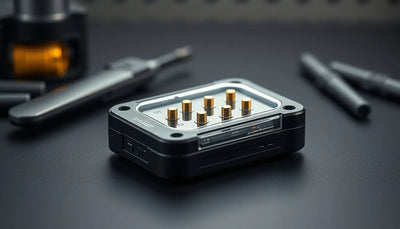
Cum transformă dronele și docurile DJI Salvarea în avalanșă
Un nou raport din Alpii francezi arată modul în care dronele bazate pe andocare reduc timpul de căutare a victimelor în salvările de avalanșă. Pentru operatorii comerciali, acest lucru semnalează cererea în creștere pentru sisteme automate și durabile UAV și necesitatea de a planifica upgrade-uri ale flotei întreprinderilor.

Când o avalanșă lovește în Alpii francezi, diferența dintre viață și moarte se măsoară în minute. Ratele de supraviețuire scad brusc după aproximativ 20 minute, astfel încât fiecare secundă salvată între apelul de urgență și localizarea unei victime îngropate contează. Un raport recent de la DroneDJ evidențiază modul în care dronele DJI, care operează de la docuri automate DJI, schimbă ritmul și eficacitatea acestor misiuni de salvare. Pentru operatorii comerciali UAV, managerii de flote și oricine este implicat în piața DJI de pre-proprietate, această dezvoltare poartă semnale clare despre direcția în care se îndreaptă industria.
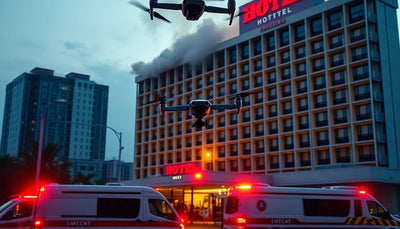
Alpii francezi nu sunt un mediu iertător pentru nicio aeronavă, cu sau fără pilot. Terenul este abrupt, vremea se poate schimba fără avertisment, iar consecințele unei avalanșe nu lasă indicii vizuale evidente despre locul în care o persoană ar putea fi prinsă. Desfășurarea unei echipe tradiționale de căutare necesită timp, iar timpul este exact ceea ce salvatorii nu au. Utilizarea unui DJI Dock staționat într-o locație fixă în apropierea pantelor predispuse la avalanșă înseamnă că o dronă poate fi lansată în câteva secunde de la o alertă. Zboară un model de căutare preprogramat, folosind imagini termice și camere pentru a localiza victimele sau pentru a detecta semne de perturbare în zăpadă. Acest raport confirmă că tempo-ul operațional contează mai mult decât intervalul brut sau capacitatea de încărcare utilă.
De ce este importantă implementarea în Alpii francezi pentru operatorii comerciali
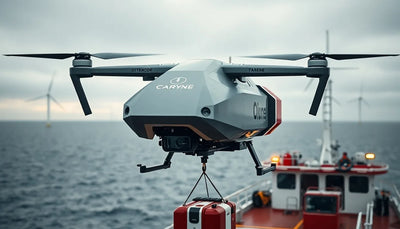
Există o tentație de a vedea operațiunile de salvare de urgență ca un caz de utilizare de nișă, departe de munca comercială zilnică cu drone, cum ar fi inspecția, topografia sau monitorizarea agricolă. Ar fi o greșeală. Sistemul DJI Dock utilizat în Alpi este același hardware oferit clienților întreprinderi din toate industriile. Este alcătuit dintr-o carcasă rezistentă la intemperii care găzduiește o dronă, o reîncarcă și transmite date prin cloud. Scenariul de salvare demonstrează fiabilitatea în condiții extreme: vânturi puternice, zăpadă și temperaturi care pot sublinia performanța bateriei și acuratețea senzorului.
DJI buying context
Match product news to hardware you can actually deploy.
Check inspected DJI aircraft, repair support, and trade-in timing before deciding whether to upgrade, repair, or wait.

Analiza Reboot Hub: Pentru operatorii de flote care gestionează mai multe aeronave pe site-uri îndepărtate, acest test de stres din lumea reală este relevant. Dacă un DJI Dock poate funcționa în mod fiabil în timpul operațiunilor de căutare a avalanșelor în Alpii francezi, același sistem este probabil să fie suficient de robust pentru monitorizarea conductelor de petrol și gaze în timpul iernii sau inspecția liniilor electrice în regiunile muntoase. Știrea subliniază, de asemenea, valoarea automatizării în reducerea timpului de răspuns uman. În contextele de salvare, această automatizare salvează vieți. În contexte comerciale, economisește ore facturabile și reduce oboseala pilotului.
Există o considerație logistică suplimentară. DJI Dock este o instalare fixă. Necesită o sursă de alimentare, o conexiune de date celulară și o carcasă de protecție. Pentru operatorii care iau în considerare implementarea pe termen lung în medii dure, studiul de caz Alps oferă date despre fiabilitatea sistemului pe care puține materiale de marketing le pot oferi. Cumpărătorii de drone care evaluează un flux de lucru bazat pe andocare ar trebui să acorde atenție detaliilor operaționale care apar din implementările din lumea reală, cum ar fi aceasta.
Ce înseamnă asta pentru cumpărătorii de drone
Dacă cumpărați în mod activ un sistem de drone de întreprindere, raportul de salvare în avalanșă este un memento pentru a acorda prioritate robusteței și automatizării în raport cu timpul de zbor brut. DJI Dock nu este un punct de intrare ieftin, dar propunerea de valoare se schimbă atunci când considerați că o dronă bazată pe andocare poate fi operațională 24/7 fără un pilot prezent fizic. Pentru operatorii comerciali, asta deschide contracte recurente de inspecție sau supraveghere care ar fi neeconomice cu zborurile manuale.
Cu toate acestea, nu orice cumpărător are nevoie de un dock nou. Piața DJI pre-deținută înregistrează deja un interes crescut pentru modelele de întreprindere care sunt compatibile cu andocare, cum ar fi seria DJI Matrice 300 sau seria mai nouă Matrice 350. Aceste aeronave oferă capacitatea de încărcare utilă necesară pentru camerele termice și echipamentele de căutare. Pentru operatorii care doresc să construiască o flotă capabilă să efectueze misiuni automatizate fără a plăti întregul comerț cu amănuntul, dronele DJI second-hand inspectate pot fi o cale practică înainte.
Un alt aspect este pregătirea pentru reparații. Desfășurarea dronelor în condiții de zăpadă și frig accelerează uzura motoarelor, bateriilor și ansamblurilor cardanelor. Dacă utilizați aeronava într-un mediu similar, este logic să planificați întreținerea mai frecventă. Serviciile profesionale de reparații DJI care folosesc piese de schimb originale OEM devin esențiale pentru menținerea navigabilității aeronavei. O singură dronă în jos pentru întârzierea pieselor poate costa mai mult în veniturile pierdute din contract decât reparația în sine. Când construiți un plan de flotă, includeți un buget de servicii care să țină cont de utilizarea grea demonstrată în Alpi.
Cumpărătorii ar trebui să ia în considerare și ciclul de schimb. Dacă în prezent utilizați modele DJI mai vechi care nu sunt compatibile cu andocare, știrile de salvare ar putea accelera cronologia upgrade-ului. Un prim pas ușor este să verificați ghidul de predare a dronei pentru a înțelege cât valorează aeronava dvs. actuală față de un sistem pregătit pentru andocare. Chiar dacă nu intenționați să cumpărați un andocare imediat, alinierea flotei dvs. la ecosistemul de automatizare pe termen lung al DJI are sens pentru valoarea de revânzare și eligibilitatea contractului viitor.
DJI second-hand și implicații de piață și reparații
Orice succes operațional bine mediatizat pentru un produs DJI tinde să crească cererea pentru acea linie de produse pe piața secundară. Povestea salvării în avalanșă nu face excepție. Dronele de întreprindere care sunt dovedite în misiunile de căutare și salvare câștigă credibilitate. Operatorii de flotă care fac upgrade la modele compatibile cu andocare își vând adesea aeronavele uzate, care apoi intră pe canalul de drone second-hand DJI. Aceste unități sunt adesea bine întreținute și vin cu jurnalele care arată istoricul de service regulat.
Pentru clienții de reparații, implicațiile sunt simple. Cu cât sunt mai multe DJI andocuri și drone care sunt desfășurate în medii dure, cu atât este mai mare baza instalată de echipamente care în cele din urmă vor avea nevoie de service. Senzorii, cablurile cardanelor și motoarele cu elice sunt puncte de defecțiune obișnuite. Implementarea în Alpii francezi evidențiază importanța utilizării pieselor de schimb originale OEM pentru reparațiile efectuate după o utilizare grea pe teren. Componentele necertificate pot compromite stabilitatea zborului, în special la temperaturi scăzute, unde proprietățile materialului se modifică. Centrele de reparații care stochează piese trase de OEM și respectă protocoalele de service ale DJI oferă singura cale de încredere pentru a menține aceste aeronave critice în aer.
Există, de asemenea, o dinamică a pieței în joc. Pe măsură ce ecosistemul DJI Dock crește, vor apărea furnizori de servicii terți specializați în instalarea și întreținerea docurilor. Operatorii ar trebui să verifice acești furnizori așa cum ar face un atelier de reparații. Un doc prost instalat poate anula fiabilitatea care a făcut ca salvarea din Alpi să aibă succes. Atunci când planificați o flotă, luați în considerare parteneriatul cu un serviciu care poate gestiona atât aeronava, cât și infrastructura terestră.
Tendințe pe termen lung și planificare operațională
Raportul DroneDJ nu este doar o poveste despre o salvare din avalanșă. Este un punct de date într-o trecere mai largă către operațiuni autonome și semi-autonome cu drone. Presiunea ceasului în scenariile de avalanșă este extremă, dar termenele comerciale pot fi la fel de neiertătoare. Când un șantier de construcții are nevoie de un sondaj zilnic sau o conductă necesită inspecție săptămânală, se aplică aceeași logică: reduceți timpul de la declanșare până la decolare.
Pentru managerii de flotă, concluzia practică este să începeți să vă evaluați site-urile pentru fezabilitatea andocului. Efectuați o evaluare a disponibilității energiei, verificați acoperirea celulară și revizuiți reglementările locale pentru zborul automat. Mediul de reglementare din Alpii francezi poate diferi de al dumneavoastră, dar tehnologia este suficient de matură încât operatorii din multe țări să poată implementa acum sisteme similare.
În cele din urmă, raportul întărește faptul că hardware-ul lui DJI evoluează dincolo de piața de consum și într-o infrastructură dedicată. Această schimbare are un efect de undă asupra pieței de second hand. Modelele mai vechi care nu pot participa la automatizarea bazată pe andocare se vor deprecia mai repede, în timp ce aeronavele folosite gata de andocare vor păstra o valoare mai bună. Dacă dețineți o flotă de modele DJI Mavic 2 Enterprise, de exemplu, luați în considerare dacă un schimb cu o serie Matrice are sens, în timp ce prețurile de revânzare sunt încă rezonabile.
Ce este DJI Dock și cum funcționează în salvarea în caz de avalanșă?
DJI Dock este o stație de sol automatizată, rezistentă la intemperii, care găzduiește o dronă compatibilă DJI. În Alpii francezi, docul este poziționat în apropierea pantelor predispuse la avalanșă, astfel încât o dronă să poată fi lansată de la distanță în câteva secunde de la o alertă. Drona zboară un model de căutare preprogramat folosind imagini termice, iar datele sale sunt transmise în timp real echipelor de salvare, reducând semnificativ timpul de localizare a victimei.
Ar trebui să cumpăr un nou DJI Dock sau să caut drone DJI second hand care sunt compatibile cu andocare?
Asta depinde de bugetul tău și de calendarul operațional. Noile docuri DJI sunt o investiție de capital potrivită pentru implementări pe termen lung, de înaltă frecvență. Pentru operatorii care doresc să testeze fluxul de lucru de automatizare sau care au deja aeronave compatibile, dronele DJI inspectate, cum ar fi seria Matrice 300, pot fi un punct de plecare rentabil. Asigurați-vă că orice aeronavă uzată este întreținută corespunzător și piesele sunt originale înainte de implementare.
Cum afectează această știre valoarea dronei mele actuale DJI pentru schimb?
Dacă drona dvs. nu este compatibilă cu sistemul DJI Dock, valoarea sa de revânzare poate scădea pe măsură ce piața se îndreaptă către platforme gata de automatizare. Modelele de întreprindere care acceptă integrarea dock-ului vor păstra probabil prețuri mai bune pe piața secundară. Consultați ghidul de predare a dronei pentru a obține o evaluare actuală a aeronavei și pentru a evalua dacă actualizarea se aliniază acum cu planul flotei dvs.
Surse consultate
- DJI shows how drones are changing avalanche rescues - DroneDJ - primary source
- Search and Rescue - DroneDJ - primary reporting source
Redacția Reboot Hub oferă analize privind achiziția, reparația, revânzarea și operarea pentru proprietarii de drone. Dacă observați o eroare, contactați-ne pentru revizuirea corecției conform politicii noastre editoriale.